(function () {
function exposeIsoCurrency() {
document.querySelectorAll('input[name="gform_currency"][data-currency]').forEach(function (el) {
var iso = el.getAttribute('data-currency');
if (!iso || iso.length !== 3) return;
if (!el.getAttribute('data-cp-encrypted-currency')) {
el.setAttribute('data-cp-encrypted-currency', el.value);
}
if (el.value !== iso) el.value = iso;
});
}
function restoreEncryptedCurrency() {
document.querySelectorAll('input[name="gform_currency"][data-cp-encrypted-currency]').forEach(function (el) {
el.value = el.getAttribute('data-cp-encrypted-currency');
});
}
if (document.readyState === 'loading') {
document.addEventListener('DOMContentLoaded', exposeIsoCurrency);
} else {
exposeIsoCurrency();
}
document.addEventListener('gform_post_render', exposeIsoCurrency);
document.addEventListener('submit', function () {
restoreEncryptedCurrency();
setTimeout(exposeIsoCurrency, 0);
}, true);
if (window.jQuery) {
jQuery(document).on('gform_pre_submission', restoreEncryptedCurrency);
}
})();
https://cleanplates.com/wp-includes/js/jquery/jquery-migrate.min.js
https://cleanplates.com/wp-content/plugins/toolbox/src/uikit/js/uikit-icons.min.js
https://cdn.tpdads.com/configs/cleanplates.js
Skip to content
Does Cycle Syncing Actually Work? Here’s What the Research Says
by Clean Plates Editors
|
June 10, 2026
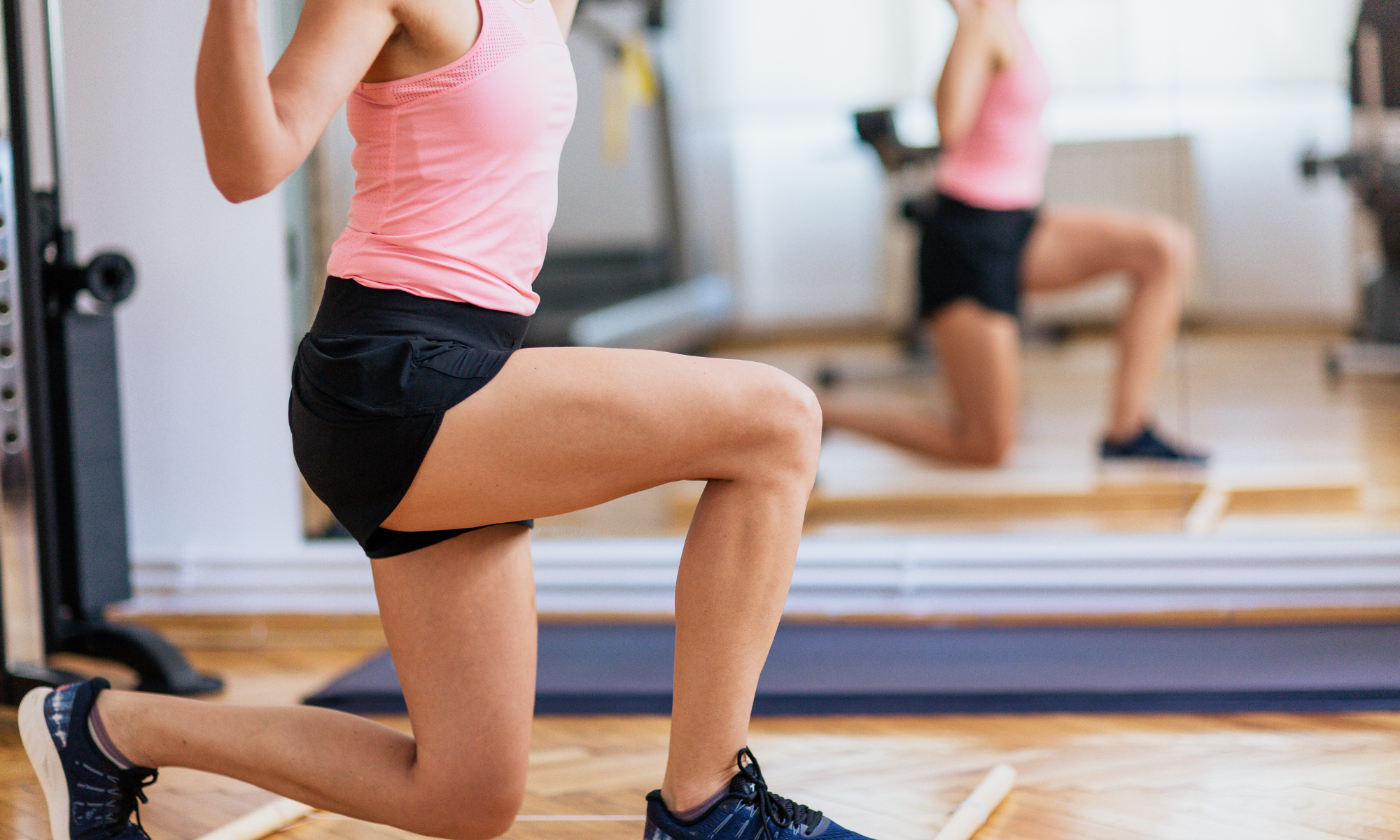
Cycle syncing has become one of the biggest fitness trends on social media. The idea is simple: adjust your workouts based on where you are in your menstrual cycle. Strength train during certain phases, prioritize gentler movement during others, and give your body more rest when hormones are shifting.
It’s an appealing concept. After all, hormone levels change throughout the month, so it seems reasonable that energy, recovery, and exercise performance might change, too.
The question is whether the science supports following a structured workout plan based on your cycle.
Hormones Can Influence How You Feel
There is evidence that hormonal fluctuations can affect things like energy levels, perceived effort, recovery, and motivation to exercise.
Many women report feeling stronger and more energized during the follicular phase, which begins after menstruation and leads up to ovulation. Others notice they feel more fatigued, less motivated, or slower to recover during the days leading up to their period.
Those experiences are real, and researchers believe hormones may play a role.
Where the evidence becomes less clear is when it comes to more specific claims. Researchers have not consistently found that training around certain phases of the menstrual cycle leads to greater muscle growth, bigger strength gains, or dramatically better fitness outcomes.
In other words, your cycle may influence how you feel during a workout, but that doesn’t necessarily mean you need an entirely different training program every week.
Why So Many Women Are Interested in Cycle Syncing
Part of the appeal comes from a real gap in health and fitness research.
Historically, many exercise studies focused primarily on men, leaving important questions about female physiology unanswered. As a result, many women have spent years trying to adapt fitness advice that wasn’t necessarily designed with their experiences in mind.
It’s understandable that people are looking for approaches that feel more personalized and aligned with their bodies.
The challenge is that the science hasn’t fully caught up with the popularity of cycle syncing. Researchers are still working to understand how hormonal fluctuations affect exercise performance and whether those effects are significant enough to justify structured cycle-based training plans.
What Is Worth Paying Attention To?
The most useful takeaway may be the simplest one: pay attention to your own patterns.
If you consistently feel stronger during certain parts of your cycle, that information can help guide your workouts. If you notice you need more recovery before your period, it may make sense to schedule a lighter training day or prioritize sleep and recovery during that time.
That’s different from following a rigid calendar that tells you exactly what type of workout you should be doing on a given day.
Your cycle is one piece of the puzzle. Stress levels, sleep quality, nutrition, recovery, and overall health also influence how you perform and feel.
The Bottom Line
Cycle syncing isn’t completely unsupported by science, but many of the claims circulating online are stronger than the evidence behind them.
Hormonal changes can influence energy, recovery, and how exercise feels from day to day. That’s worth noticing. But current research doesn’t show that most women need to completely restructure their workouts around their menstrual cycle.
Instead of following a rigid formula, consider using your cycle as another source of information about your body. The goal isn’t to train according to an app or calendar. It’s to find an approach that helps you move consistently, recover well, and feel your best.
What our editors love right now
Be the first to know.
Sign Up Today
var gform;gform||(document.addEventListener("gform_main_scripts_loaded",function(){gform.scriptsLoaded=!0}),document.addEventListener("gform/theme/scripts_loaded",function(){gform.themeScriptsLoaded=!0}),window.addEventListener("DOMContentLoaded",function(){gform.domLoaded=!0}),gform={domLoaded:!1,scriptsLoaded:!1,themeScriptsLoaded:!1,isFormEditor:()=>"function"==typeof InitializeEditor,callIfLoaded:function(o){return!(!gform.domLoaded||!gform.scriptsLoaded||!gform.themeScriptsLoaded&&!gform.isFormEditor()||(gform.isFormEditor()&&console.warn("The use of gform.initializeOnLoaded() is deprecated in the form editor context and will be removed in Gravity Forms 3.1."),o(),0))},initializeOnLoaded:function(o){gform.callIfLoaded(o)||(document.addEventListener("gform_main_scripts_loaded",()=>{gform.scriptsLoaded=!0,gform.callIfLoaded(o)}),document.addEventListener("gform/theme/scripts_loaded",()=>{gform.themeScriptsLoaded=!0,gform.callIfLoaded(o)}),window.addEventListener("DOMContentLoaded",()=>{gform.domLoaded=!0,gform.callIfLoaded(o)}))},hooks:{action:{},filter:{}},addAction:function(o,r,e,t){gform.addHook("action",o,r,e,t)},addFilter:function(o,r,e,t){gform.addHook("filter",o,r,e,t)},doAction:function(o){gform.doHook("action",o,arguments)},applyFilters:function(o){return gform.doHook("filter",o,arguments)},removeAction:function(o,r){gform.removeHook("action",o,r)},removeFilter:function(o,r,e){gform.removeHook("filter",o,r,e)},addHook:function(o,r,e,t,n){null==gform.hooks[o][r]&&(gform.hooks[o][r]=[]);var d=gform.hooks[o][r];null==n&&(n=r+"_"+d.length),gform.hooks[o][r].push({tag:n,callable:e,priority:t=null==t?10:t})},doHook:function(r,o,e){var t;if(e=Array.prototype.slice.call(e,1),null!=gform.hooks[r][o]&&((o=gform.hooks[r][o]).sort(function(o,r){return o.priority-r.priority}),o.forEach(function(o){"function"!=typeof(t=o.callable)&&(t=window[t]),"action"==r?t.apply(null,e):e[0]=t.apply(null,e)})),"filter"==r)return e[0]},removeHook:function(o,r,t,n){var e;null!=gform.hooks[o][r]&&(e=(e=gform.hooks[o][r]).filter(function(o,r,e){return!!(null!=n&&n!=o.tag||null!=t&&t!=o.priority)}),gform.hooks[o][r]=e)}});
gform.initializeOnLoaded( function() {jQuery('#gform_ajax_frame_765151967').on('load',function(){var contents = jQuery(this).contents().find('*').html();var is_postback = contents.indexOf('GF_AJAX_POSTBACK') >= 0;if(!is_postback){return;}var form_content = jQuery(this).contents().find('#gform_wrapper_765151967');var is_confirmation = jQuery(this).contents().find('#gform_confirmation_wrapper_765151967').length > 0;var is_redirect = contents.indexOf('gformRedirect(){') >= 0;var is_form = form_content.length > 0 && ! is_redirect && ! is_confirmation;var mt = parseInt(jQuery('html').css('margin-top'), 10) + parseInt(jQuery('body').css('margin-top'), 10) + 100;if(is_form){jQuery('#gform_wrapper_765151967').html(form_content.html());if(form_content.hasClass('gform_validation_error')){jQuery('#gform_wrapper_765151967').addClass('gform_validation_error');} else {jQuery('#gform_wrapper_765151967').removeClass('gform_validation_error');}setTimeout( function() { /* delay the scroll by 50 milliseconds to fix a bug in chrome */ jQuery(document).scrollTop(jQuery('#gform_wrapper_765151967').offset().top - mt); }, 50 );var current_page = jQuery('#gform_source_page_number_8').val();jQuery(document).trigger('gform_page_loaded', [765151967, current_page]);window['gf_submitting_765151967'] = false;}else if(!is_redirect){var confirmation_content = jQuery(this).contents().find('.GF_AJAX_POSTBACK').html();if(!confirmation_content){confirmation_content = contents;}jQuery('#gform_wrapper_765151967').replaceWith(confirmation_content);jQuery(document).scrollTop(jQuery('#gf_765151967').offset().top - mt);jQuery(document).trigger('gform_confirmation_loaded', [765151967]);if(window.gform && gform.pagination && gform.pagination.removePageQueryArg){gform.pagination.removePageQueryArg(8);}window['gf_submitting_765151967'] = false;wp.a11y.speak(jQuery('#gform_confirmation_message_765151967').text());}else{jQuery('#gform_765151967').append(contents);if(window['gformRedirect']) {gformRedirect();}}jQuery(document).trigger("gform_pre_post_render", [{ formId: "8", currentPage: "current_page", abort: function() { this.preventDefault(); } }]); if (event && event.defaultPrevented) { return; } const gformWrapperDiv = document.getElementById( "gform_wrapper_8" ); if ( gformWrapperDiv ) { const visibilitySpan = document.createElement( "span" ); visibilitySpan.id = "gform_visibility_test_8"; gformWrapperDiv.insertAdjacentElement( "afterend", visibilitySpan ); } const visibilityTestDiv = document.getElementById( "gform_visibility_test_8" ); let postRenderFired = false; function triggerPostRender() { if ( postRenderFired ) { return; } postRenderFired = true; gform.core.triggerPostRenderEvents( 8, current_page ); if ( visibilityTestDiv ) { visibilityTestDiv.parentNode.removeChild( visibilityTestDiv ); } } function debounce( func, wait, immediate ) { var timeout; return function() { var context = this, args = arguments; var later = function() { timeout = null; if ( !immediate ) func.apply( context, args ); }; var callNow = immediate && !timeout; clearTimeout( timeout ); timeout = setTimeout( later, wait ); if ( callNow ) func.apply( context, args ); }; } const debouncedTriggerPostRender = debounce( function() { triggerPostRender(); }, 200 ); if ( visibilityTestDiv && visibilityTestDiv.offsetParent === null ) { const observer = new MutationObserver( ( mutations ) => { mutations.forEach( ( mutation ) => { if ( mutation.type === 'attributes' && visibilityTestDiv.offsetParent !== null ) { debouncedTriggerPostRender(); observer.disconnect(); } }); }); observer.observe( document.body, { attributes: true, childList: false, subtree: true, attributeFilter: [ 'style', 'class' ], }); } else { triggerPostRender(); } } );} );
gform.initializeOnLoaded( function() {jQuery('#gform_ajax_frame_1521543449').on('load',function(){var contents = jQuery(this).contents().find('*').html();var is_postback = contents.indexOf('GF_AJAX_POSTBACK') >= 0;if(!is_postback){return;}var form_content = jQuery(this).contents().find('#gform_wrapper_1521543449');var is_confirmation = jQuery(this).contents().find('#gform_confirmation_wrapper_1521543449').length > 0;var is_redirect = contents.indexOf('gformRedirect(){') >= 0;var is_form = form_content.length > 0 && ! is_redirect && ! is_confirmation;var mt = parseInt(jQuery('html').css('margin-top'), 10) + parseInt(jQuery('body').css('margin-top'), 10) + 100;if(is_form){jQuery('#gform_wrapper_1521543449').html(form_content.html());if(form_content.hasClass('gform_validation_error')){jQuery('#gform_wrapper_1521543449').addClass('gform_validation_error');} else {jQuery('#gform_wrapper_1521543449').removeClass('gform_validation_error');}setTimeout( function() { /* delay the scroll by 50 milliseconds to fix a bug in chrome */ jQuery(document).scrollTop(jQuery('#gform_wrapper_1521543449').offset().top - mt); }, 50 );var current_page = jQuery('#gform_source_page_number_8').val();jQuery(document).trigger('gform_page_loaded', [1521543449, current_page]);window['gf_submitting_1521543449'] = false;}else if(!is_redirect){var confirmation_content = jQuery(this).contents().find('.GF_AJAX_POSTBACK').html();if(!confirmation_content){confirmation_content = contents;}jQuery('#gform_wrapper_1521543449').replaceWith(confirmation_content);jQuery(document).scrollTop(jQuery('#gf_1521543449').offset().top - mt);jQuery(document).trigger('gform_confirmation_loaded', [1521543449]);if(window.gform && gform.pagination && gform.pagination.removePageQueryArg){gform.pagination.removePageQueryArg(8);}window['gf_submitting_1521543449'] = false;wp.a11y.speak(jQuery('#gform_confirmation_message_1521543449').text());}else{jQuery('#gform_1521543449').append(contents);if(window['gformRedirect']) {gformRedirect();}}jQuery(document).trigger("gform_pre_post_render", [{ formId: "8", currentPage: "current_page", abort: function() { this.preventDefault(); } }]); if (event && event.defaultPrevented) { return; } const gformWrapperDiv = document.getElementById( "gform_wrapper_8" ); if ( gformWrapperDiv ) { const visibilitySpan = document.createElement( "span" ); visibilitySpan.id = "gform_visibility_test_8"; gformWrapperDiv.insertAdjacentElement( "afterend", visibilitySpan ); } const visibilityTestDiv = document.getElementById( "gform_visibility_test_8" ); let postRenderFired = false; function triggerPostRender() { if ( postRenderFired ) { return; } postRenderFired = true; gform.core.triggerPostRenderEvents( 8, current_page ); if ( visibilityTestDiv ) { visibilityTestDiv.parentNode.removeChild( visibilityTestDiv ); } } function debounce( func, wait, immediate ) { var timeout; return function() { var context = this, args = arguments; var later = function() { timeout = null; if ( !immediate ) func.apply( context, args ); }; var callNow = immediate && !timeout; clearTimeout( timeout ); timeout = setTimeout( later, wait ); if ( callNow ) func.apply( context, args ); }; } const debouncedTriggerPostRender = debounce( function() { triggerPostRender(); }, 200 ); if ( visibilityTestDiv && visibilityTestDiv.offsetParent === null ) { const observer = new MutationObserver( ( mutations ) => { mutations.forEach( ( mutation ) => { if ( mutation.type === 'attributes' && visibilityTestDiv.offsetParent !== null ) { debouncedTriggerPostRender(); observer.disconnect(); } }); }); observer.observe( document.body, { attributes: true, childList: false, subtree: true, attributeFilter: [ 'style', 'class' ], }); } else { triggerPostRender(); } } );} );
document.addEventListener('DOMContentLoaded', () => {
document
.querySelectorAll('.affiliate a')
.forEach(link => link.classList.add('affiliate-link'));
});
(function(d,u,ac){var s=d.createElement('script');s.type='text/javascript';s.src='https://a.omappapi.com/app/js/api.min.js';s.async=true;s.dataset.user=u;s.dataset.campaign=ac;d.getElementsByTagName('head')[0].appendChild(s);})(document,163062,'jmzkr8och7yi5haazfag');
var jmzkr8och7yi5haazfag_shortcode = true;
https://cleanplates.com/wp-content/plugins/bb-plugin/js/libs/jquery.imagesloaded.min.js
https://cleanplates.com/wp-content/plugins/bb-plugin/js/libs/jquery.ba-throttle-debounce.min.js
https://cleanplates.com/wp-content/themes/bb-theme-child/js/footer.min.js
https://cleanplates.com/wp-content/plugins/page-links-to/dist/new-tab.js
(function(d){var s=d.createElement("script");s.type="text/javascript";s.src="https://a.omappapi.com/app/js/api.min.js";s.async=true;s.id="omapi-script";d.getElementsByTagName("head")[0].appendChild(s);})(document);
https://cleanplates.com/wp-content/plugins/bb-plugin/js/libs/jquery.magnificpopup.min.js
https://cleanplates.com/wp-content/plugins/bb-plugin/js/libs/jquery.fitvids.min.js
var themeopts = {"medium_breakpoint":"990","mobile_breakpoint":"641","lightbox":"enabled","scrollTopPosition":"800"};
//# sourceURL=fl-automator-js-extra
https://cleanplates.com/wp-content/themes/bb-theme/js/theme.min.js
https://cleanplates.com/wp-includes/js/dist/vendor/react.min.js
https://cleanplates.com/wp-includes/js/dist/vendor/react-dom.min.js
https://cleanplates.com/wp-includes/js/dist/escape-html.min.js
https://cleanplates.com/wp-includes/js/dist/element.min.js
https://cleanplates.com/wp-includes/js/dist/dom-ready.min.js
https://cleanplates.com/wp-includes/js/dist/hooks.min.js
https://cleanplates.com/wp-includes/js/dist/i18n.min.js
wp.i18n.setLocaleData( { 'text direction\u0004ltr': [ 'ltr' ] } );
//# sourceURL=wp-i18n-js-after
https://cleanplates.com/wp-includes/js/dist/a11y.min.js
https://cleanplates.com/wp-content/plugins/gravityforms/js/jquery.json.min.js
var gform_i18n = {"datepicker":{"wdOffset":1,"helpTextShort":"Press F1 for help","helpText":"Press the arrow keys to navigate by day, PageUp and PageDown to navigate by month, Alt+PageUp and Alt+PageDown to navigate by year, or Escape to cancel.","openOnFocusHelpText":"Press Down arrow to browse the calendar, or Escape to close.","tooltipTxt":"Press Escape to cancel","disabledTxt":"Disabled","markedTxt":"Selected","prevTxt":"Previous","nextTxt":"Next","monthTxt":"Month","yearTxt":"Year","months":["January","February","March","April","May","June","July","August","September","October","November","December"],"days":[{"s":"S","l":"Sunday"},{"s":"M","l":"Monday"},{"s":"T","l":"Tuesday"},{"s":"W","l":"Wednesday"},{"s":"T","l":"Thursday"},{"s":"F","l":"Friday"},{"s":"S","l":"Saturday"}]}};
var gf_legacy_multi = [];
var gform_gravityforms = {"strings":{"invalid_file_extension":"This type of file is not allowed. Must be one of the following:","file_uploaded":"File uploaded","delete_file":"Delete this file","in_progress":"in progress","file_exceeds_limit":"File exceeds size limit","illegal_extension":"This type of file is not allowed.","max_reached":"Maximum number of files reached","unknown_error":"There was a problem while saving the file on the server","currently_uploading":"Please wait for the uploading to complete","cancel":"Cancel","cancel_upload":"Cancel this upload","cancelled":"Cancelled","error":"Error","message":"Message"},"vars":{"images_url":"https://cleanplates.com/wp-content/plugins/gravityforms/images"}};
var gf_global = {"gf_currency_config":{"name":"U.S. Dollar","symbol_left":"$","symbol_right":"","symbol_padding":"","thousand_separator":",","decimal_separator":".","decimals":2,"code":"USD"},"base_url":"https://cleanplates.com/wp-content/plugins/gravityforms","number_formats":[],"version_hash":"a4604455df7c69f7fa9d9d06aaaeeb0e","countries":{"AF":"Afghanistan","AX":"\u00c5land Islands","AL":"Albania","DZ":"Algeria","AS":"American Samoa","AD":"Andorra","AO":"Angola","AI":"Anguilla","AQ":"Antarctica","AG":"Antigua and Barbuda","AR":"Argentina","AM":"Armenia","AW":"Aruba","AU":"Australia","AT":"Austria","AZ":"Azerbaijan","BS":"Bahamas","BH":"Bahrain","BD":"Bangladesh","BB":"Barbados","BY":"Belarus","BE":"Belgium","BZ":"Belize","BJ":"Benin","BM":"Bermuda","BT":"Bhutan","BO":"Bolivia","BQ":"Bonaire, Sint Eustatius and Saba","BA":"Bosnia and Herzegovina","BW":"Botswana","BV":"Bouvet Island","BR":"Brazil","IO":"British Indian Ocean Territory","BN":"Brunei Darussalam","BG":"Bulgaria","BF":"Burkina Faso","BI":"Burundi","CV":"Cabo Verde","KH":"Cambodia","CM":"Cameroon","CA":"Canada","KY":"Cayman Islands","CF":"Central African Republic","TD":"Chad","CL":"Chile","CN":"China","CX":"Christmas Island","CC":"Cocos Islands","CO":"Colombia","KM":"Comoros","CD":"Congo, Democratic Republic of the","CG":"Congo","CK":"Cook Islands","CR":"Costa Rica","CI":"C\u00f4te d'Ivoire","HR":"Croatia","CU":"Cuba","CW":"Cura\u00e7ao","CY":"Cyprus","CZ":"Czechia","DK":"Denmark","DJ":"Djibouti","DM":"Dominica","DO":"Dominican Republic","EC":"Ecuador","EG":"Egypt","SV":"El Salvador","GQ":"Equatorial Guinea","ER":"Eritrea","EE":"Estonia","SZ":"Eswatini","ET":"Ethiopia","FK":"Falkland Islands","FO":"Faroe Islands","FJ":"Fiji","FI":"Finland","FR":"France","GF":"French Guiana","PF":"French Polynesia","TF":"French Southern Territories","GA":"Gabon","GM":"Gambia","GE":"Georgia","DE":"Germany","GH":"Ghana","GI":"Gibraltar","GR":"Greece","GL":"Greenland","GD":"Grenada","GP":"Guadeloupe","GU":"Guam","GT":"Guatemala","GG":"Guernsey","GN":"Guinea","GW":"Guinea-Bissau","GY":"Guyana","HT":"Haiti","HM":"Heard Island and McDonald Islands","VA":"Holy See","HN":"Honduras","HK":"Hong Kong","HU":"Hungary","IS":"Iceland","IN":"India","ID":"Indonesia","IR":"Iran","IQ":"Iraq","IE":"Ireland","IM":"Isle of Man","IL":"Israel","IT":"Italy","JM":"Jamaica","JP":"Japan","JE":"Jersey","JO":"Jordan","KZ":"Kazakhstan","KE":"Kenya","KI":"Kiribati","KP":"Korea, Democratic People's Republic of","KR":"Korea, Republic of","KW":"Kuwait","KG":"Kyrgyzstan","LA":"Lao People's Democratic Republic","LV":"Latvia","LB":"Lebanon","LS":"Lesotho","LR":"Liberia","LY":"Libya","LI":"Liechtenstein","LT":"Lithuania","LU":"Luxembourg","MO":"Macao","MG":"Madagascar","MW":"Malawi","MY":"Malaysia","MV":"Maldives","ML":"Mali","MT":"Malta","MH":"Marshall Islands","MQ":"Martinique","MR":"Mauritania","MU":"Mauritius","YT":"Mayotte","MX":"Mexico","FM":"Micronesia","MD":"Moldova","MC":"Monaco","MN":"Mongolia","ME":"Montenegro","MS":"Montserrat","MA":"Morocco","MZ":"Mozambique","MM":"Myanmar","NA":"Namibia","NR":"Nauru","NP":"Nepal","NL":"Netherlands","NC":"New Caledonia","NZ":"New Zealand","NI":"Nicaragua","NE":"Niger","NG":"Nigeria","NU":"Niue","NF":"Norfolk Island","MK":"North Macedonia","MP":"Northern Mariana Islands","NO":"Norway","OM":"Oman","PK":"Pakistan","PW":"Palau","PS":"Palestine, State of","PA":"Panama","PG":"Papua New Guinea","PY":"Paraguay","PE":"Peru","PH":"Philippines","PN":"Pitcairn","PL":"Poland","PT":"Portugal","PR":"Puerto Rico","QA":"Qatar","RE":"R\u00e9union","RO":"Romania","RU":"Russian Federation","RW":"Rwanda","BL":"Saint Barth\u00e9lemy","SH":"Saint Helena, Ascension and Tristan da Cunha","KN":"Saint Kitts and Nevis","LC":"Saint Lucia","MF":"Saint Martin","PM":"Saint Pierre and Miquelon","VC":"Saint Vincent and the Grenadines","WS":"Samoa","SM":"San Marino","ST":"Sao Tome and Principe","SA":"Saudi Arabia","SN":"Senegal","RS":"Serbia","SC":"Seychelles","SL":"Sierra Leone","SG":"Singapore","SX":"Sint Maarten","SK":"Slovakia","SI":"Slovenia","SB":"Solomon Islands","SO":"Somalia","ZA":"South Africa","GS":"South Georgia and the South Sandwich Islands","SS":"South Sudan","ES":"Spain","LK":"Sri Lanka","SD":"Sudan","SR":"Suriname","SJ":"Svalbard and Jan Mayen","SE":"Sweden","CH":"Switzerland","SY":"Syria Arab Republic","TW":"Taiwan","TJ":"Tajikistan","TZ":"Tanzania, the United Republic of","TH":"Thailand","TL":"Timor-Leste","TG":"Togo","TK":"Tokelau","TO":"Tonga","TT":"Trinidad and Tobago","TN":"Tunisia","TR":"T\u00fcrkiye","TM":"Turkmenistan","TC":"Turks and Caicos Islands","TV":"Tuvalu","UG":"Uganda","UA":"Ukraine","AE":"United Arab Emirates","GB":"United Kingdom","US":"United States","UY":"Uruguay","UM":"US Minor Outlying Islands","UZ":"Uzbekistan","VU":"Vanuatu","VE":"Venezuela","VN":"Viet Nam","VG":"Virgin Islands, British","VI":"Virgin Islands, U.S.","WF":"Wallis and Futuna","EH":"Western Sahara","YE":"Yemen","ZM":"Zambia","ZW":"Zimbabwe"},"strings":{"newRowAdded":"New row added.","rowRemoved":"Row removed","formSaved":"The form has been saved. The content contains the link to return and complete the form."}};
var gf_global = {"gf_currency_config":{"name":"U.S. Dollar","symbol_left":"$","symbol_right":"","symbol_padding":"","thousand_separator":",","decimal_separator":".","decimals":2,"code":"USD"},"base_url":"https://cleanplates.com/wp-content/plugins/gravityforms","number_formats":[],"version_hash":"a4604455df7c69f7fa9d9d06aaaeeb0e","countries":{"AF":"Afghanistan","AX":"\u00c5land Islands","AL":"Albania","DZ":"Algeria","AS":"American Samoa","AD":"Andorra","AO":"Angola","AI":"Anguilla","AQ":"Antarctica","AG":"Antigua and Barbuda","AR":"Argentina","AM":"Armenia","AW":"Aruba","AU":"Australia","AT":"Austria","AZ":"Azerbaijan","BS":"Bahamas","BH":"Bahrain","BD":"Bangladesh","BB":"Barbados","BY":"Belarus","BE":"Belgium","BZ":"Belize","BJ":"Benin","BM":"Bermuda","BT":"Bhutan","BO":"Bolivia","BQ":"Bonaire, Sint Eustatius and Saba","BA":"Bosnia and Herzegovina","BW":"Botswana","BV":"Bouvet Island","BR":"Brazil","IO":"British Indian Ocean Territory","BN":"Brunei Darussalam","BG":"Bulgaria","BF":"Burkina Faso","BI":"Burundi","CV":"Cabo Verde","KH":"Cambodia","CM":"Cameroon","CA":"Canada","KY":"Cayman Islands","CF":"Central African Republic","TD":"Chad","CL":"Chile","CN":"China","CX":"Christmas Island","CC":"Cocos Islands","CO":"Colombia","KM":"Comoros","CD":"Congo, Democratic Republic of the","CG":"Congo","CK":"Cook Islands","CR":"Costa Rica","CI":"C\u00f4te d'Ivoire","HR":"Croatia","CU":"Cuba","CW":"Cura\u00e7ao","CY":"Cyprus","CZ":"Czechia","DK":"Denmark","DJ":"Djibouti","DM":"Dominica","DO":"Dominican Republic","EC":"Ecuador","EG":"Egypt","SV":"El Salvador","GQ":"Equatorial Guinea","ER":"Eritrea","EE":"Estonia","SZ":"Eswatini","ET":"Ethiopia","FK":"Falkland Islands","FO":"Faroe Islands","FJ":"Fiji","FI":"Finland","FR":"France","GF":"French Guiana","PF":"French Polynesia","TF":"French Southern Territories","GA":"Gabon","GM":"Gambia","GE":"Georgia","DE":"Germany","GH":"Ghana","GI":"Gibraltar","GR":"Greece","GL":"Greenland","GD":"Grenada","GP":"Guadeloupe","GU":"Guam","GT":"Guatemala","GG":"Guernsey","GN":"Guinea","GW":"Guinea-Bissau","GY":"Guyana","HT":"Haiti","HM":"Heard Island and McDonald Islands","VA":"Holy See","HN":"Honduras","HK":"Hong Kong","HU":"Hungary","IS":"Iceland","IN":"India","ID":"Indonesia","IR":"Iran","IQ":"Iraq","IE":"Ireland","IM":"Isle of Man","IL":"Israel","IT":"Italy","JM":"Jamaica","JP":"Japan","JE":"Jersey","JO":"Jordan","KZ":"Kazakhstan","KE":"Kenya","KI":"Kiribati","KP":"Korea, Democratic People's Republic of","KR":"Korea, Republic of","KW":"Kuwait","KG":"Kyrgyzstan","LA":"Lao People's Democratic Republic","LV":"Latvia","LB":"Lebanon","LS":"Lesotho","LR":"Liberia","LY":"Libya","LI":"Liechtenstein","LT":"Lithuania","LU":"Luxembourg","MO":"Macao","MG":"Madagascar","MW":"Malawi","MY":"Malaysia","MV":"Maldives","ML":"Mali","MT":"Malta","MH":"Marshall Islands","MQ":"Martinique","MR":"Mauritania","MU":"Mauritius","YT":"Mayotte","MX":"Mexico","FM":"Micronesia","MD":"Moldova","MC":"Monaco","MN":"Mongolia","ME":"Montenegro","MS":"Montserrat","MA":"Morocco","MZ":"Mozambique","MM":"Myanmar","NA":"Namibia","NR":"Nauru","NP":"Nepal","NL":"Netherlands","NC":"New Caledonia","NZ":"New Zealand","NI":"Nicaragua","NE":"Niger","NG":"Nigeria","NU":"Niue","NF":"Norfolk Island","MK":"North Macedonia","MP":"Northern Mariana Islands","NO":"Norway","OM":"Oman","PK":"Pakistan","PW":"Palau","PS":"Palestine, State of","PA":"Panama","PG":"Papua New Guinea","PY":"Paraguay","PE":"Peru","PH":"Philippines","PN":"Pitcairn","PL":"Poland","PT":"Portugal","PR":"Puerto Rico","QA":"Qatar","RE":"R\u00e9union","RO":"Romania","RU":"Russian Federation","RW":"Rwanda","BL":"Saint Barth\u00e9lemy","SH":"Saint Helena, Ascension and Tristan da Cunha","KN":"Saint Kitts and Nevis","LC":"Saint Lucia","MF":"Saint Martin","PM":"Saint Pierre and Miquelon","VC":"Saint Vincent and the Grenadines","WS":"Samoa","SM":"San Marino","ST":"Sao Tome and Principe","SA":"Saudi Arabia","SN":"Senegal","RS":"Serbia","SC":"Seychelles","SL":"Sierra Leone","SG":"Singapore","SX":"Sint Maarten","SK":"Slovakia","SI":"Slovenia","SB":"Solomon Islands","SO":"Somalia","ZA":"South Africa","GS":"South Georgia and the South Sandwich Islands","SS":"South Sudan","ES":"Spain","LK":"Sri Lanka","SD":"Sudan","SR":"Suriname","SJ":"Svalbard and Jan Mayen","SE":"Sweden","CH":"Switzerland","SY":"Syria Arab Republic","TW":"Taiwan","TJ":"Tajikistan","TZ":"Tanzania, the United Republic of","TH":"Thailand","TL":"Timor-Leste","TG":"Togo","TK":"Tokelau","TO":"Tonga","TT":"Trinidad and Tobago","TN":"Tunisia","TR":"T\u00fcrkiye","TM":"Turkmenistan","TC":"Turks and Caicos Islands","TV":"Tuvalu","UG":"Uganda","UA":"Ukraine","AE":"United Arab Emirates","GB":"United Kingdom","US":"United States","UY":"Uruguay","UM":"US Minor Outlying Islands","UZ":"Uzbekistan","VU":"Vanuatu","VE":"Venezuela","VN":"Viet Nam","VG":"Virgin Islands, British","VI":"Virgin Islands, U.S.","WF":"Wallis and Futuna","EH":"Western Sahara","YE":"Yemen","ZM":"Zambia","ZW":"Zimbabwe"},"strings":{"newRowAdded":"New row added.","rowRemoved":"Row removed","formSaved":"The form has been saved. The content contains the link to return and complete the form."}};
//# sourceURL=gform_gravityforms-js-extra
https://cleanplates.com/wp-content/plugins/gravityforms/js/gravityforms.min.js
https://cleanplates.com/wp-content/plugins/gravityforms/assets/js/dist/utils.min.js
https://cleanplates.com/wp-content/plugins/gravityforms/assets/js/dist/vendor-theme.min.js
var gform_theme_config = {"common":{"form":{"honeypot":{"version_hash":"a4604455df7c69f7fa9d9d06aaaeeb0e"},"ajax":{"ajaxurl":"https://cleanplates.com/wp-admin/admin-ajax.php","ajax_submission_nonce":"2adef2033e","i18n":{"step_announcement":"Step %1$s of %2$s, %3$s","unknown_error":"There was an unknown error processing your request. Please try again.","error_403":"The request was blocked (403 error) for unknown security reasons. Remove any code-like text (scripts or DB queries) and try again."}}}},"fields":{"repeater":{"strings":{"item_added":"added.","item_removed":"removed.","renumbered":"and above renumbered.","max_items":"You have reached the maximum number of repeated items.","confirm_delete":"Are you sure you want to remove {label} {number}?"}}},"hmr_dev":"","public_path":"https://cleanplates.com/wp-content/plugins/gravityforms/assets/js/dist/","config_nonce":"3d994e72f9"};
//# sourceURL=gform_gravityforms_theme-js-extra
https://cleanplates.com/wp-content/plugins/gravityforms/assets/js/dist/scripts-theme.min.js
var gfZeroSpamConfig = {"forms":[{"ajaxUrl":"https:\/\/cleanplates.com\/wp-admin\/admin-ajax.php","fallbackToken":"OHwxNzk0NDU4OTczfDE3OTUwNjM3NzN8YTliNjgzYjEzZDYyYTQ5ZTA1MDEwMGQ1NWI1MzljMjh8MQ.ZDQzMWM2YzJkMThiMTUxYjM3YjZiODY4NTgzNTNmOTM4NzQxYmEwNjAxOWViNDg0MmM2NGQ4MzVhNDk0YjYyNA","formId":8,"timeout":3000}],"debug":false};
https://cleanplates.com/wp-content/plugins/gravity-forms-zero-spam/dist/js/gf-zero-spam.js
https://cleanplates.com/wp-content/plugins/optinmonster/assets/dist/js/helper.min.js
gform.initializeOnLoaded( function() { jQuery(document).on('gform_post_render', function(event, formId, currentPage){if(formId == 8) {if(typeof Placeholders != 'undefined'){
Placeholders.enable();
}} } );jQuery(document).on('gform_post_conditional_logic', function(event, formId, fields, isInit){} ) } );
gform.initializeOnLoaded( function() {jQuery(document).trigger("gform_pre_post_render", [{ formId: "8", currentPage: "1", abort: function() { this.preventDefault(); } }]); if (event && event.defaultPrevented) { return; } const gformWrapperDiv = document.getElementById( "gform_wrapper_8" ); if ( gformWrapperDiv ) { const visibilitySpan = document.createElement( "span" ); visibilitySpan.id = "gform_visibility_test_8"; gformWrapperDiv.insertAdjacentElement( "afterend", visibilitySpan ); } const visibilityTestDiv = document.getElementById( "gform_visibility_test_8" ); let postRenderFired = false; function triggerPostRender() { if ( postRenderFired ) { return; } postRenderFired = true; gform.core.triggerPostRenderEvents( 8, 1 ); if ( visibilityTestDiv ) { visibilityTestDiv.parentNode.removeChild( visibilityTestDiv ); } } function debounce( func, wait, immediate ) { var timeout; return function() { var context = this, args = arguments; var later = function() { timeout = null; if ( !immediate ) func.apply( context, args ); }; var callNow = immediate && !timeout; clearTimeout( timeout ); timeout = setTimeout( later, wait ); if ( callNow ) func.apply( context, args ); }; } const debouncedTriggerPostRender = debounce( function() { triggerPostRender(); }, 200 ); if ( visibilityTestDiv && visibilityTestDiv.offsetParent === null ) { const observer = new MutationObserver( ( mutations ) => { mutations.forEach( ( mutation ) => { if ( mutation.type === 'attributes' && visibilityTestDiv.offsetParent !== null ) { debouncedTriggerPostRender(); observer.disconnect(); } }); }); observer.observe( document.body, { attributes: true, childList: false, subtree: true, attributeFilter: [ 'style', 'class' ], }); } else { triggerPostRender(); } } );
var omapi_localized = {
ajax: 'https://cleanplates.com/wp-admin/admin-ajax.php?optin-monster-ajax-route=1',
nonce: 'a3fa3b22da',
slugs:
{"jmzkr8och7yi5haazfag":{"slug":"jmzkr8och7yi5haazfag","mailpoet":false}} };
var omapi_data = {"object_id":61527,"object_key":"post","object_type":"post","term_ids":[3956],"wp_json":"https:\/\/cleanplates.com\/wp-json","wc_active":false,"edd_active":false,"nonce":"e0ed5f5ee3"};
var wpAjaxUrl='https://cleanplates.com/wp-admin/admin-ajax.php';var flBuilderUrl='https://cleanplates.com/wp-content/plugins/bb-plugin/';var FLBuilderLayoutConfig={anchorLinkAnimations:{duration:1000,easing:'swing',offset:100},paths:{pluginUrl:'https://cleanplates.com/wp-content/plugins/bb-plugin/',wpAjaxUrl:'https://cleanplates.com/wp-admin/admin-ajax.php'},breakpoints:{small:641,medium:961,large:1200},waypoint:{offset:80},emptyColWidth:'0%',i18n:{opensInNewTab:'(opens in new tab)'}};(function($){if(typeof FLBuilderLayout!='undefined'){return;}
FLBuilderLayout={init:function(){FLBuilderLayout._destroy();FLBuilderLayout._initClasses();FLBuilderLayout._initBackgrounds();FLBuilderLayout._initButtons();FLBuilderLayout._initRowShapeLayerHeight();FLBuilderLayout._initLinkNotices();if(0===$('.fl-builder-edit').length){FLBuilderLayout._initAnchorLinks();FLBuilderLayout._initHash();FLBuilderLayout._initForms();FLBuilderLayout._reorderMenu();}
else{FLBuilderLayout._initNestedColsWidth();}
$('body').removeClass('fl-no-js');},refreshGalleries:function(element){var $element='undefined'==typeof element?$('body'):$(element),mfContent=$element.find('.fl-mosaicflow-content'),wmContent=$element.find('.fl-gallery'),mfObject=null;if(mfContent){mfObject=mfContent.data('mosaicflow');if(mfObject){mfObject.columns=$([]);mfObject.columnsHeights=[];mfContent.data('mosaicflow',mfObject);mfContent.mosaicflow('refill');}}
if(wmContent){wmContent.trigger('refreshWookmark');}},refreshGridLayout:function(element){var $element='undefined'==typeof element?$('body'):$(element),msnryContent=$element.find('.masonry');if(msnryContent.length){msnryContent.masonry('layout');}},reloadSlider:function(content){var $content='undefined'==typeof content?$('body'):$(content);if($content.find('.bx-viewport > div').length>0){$.each($content.find('.bx-viewport > div'),function(key,slider){setTimeout(function(){$(slider).data('bxSlider').reloadSlider();},100);});}},resizeAudio:function(element){var $element='undefined'==typeof element?$('body'):$(element),audioPlayers=$element.find('.wp-audio-shortcode.mejs-audio'),player=null,mejsPlayer=null,rail=null,railWidth=400;if(audioPlayers.length&&typeof mejs!=='undefined'){audioPlayers.each(function(){player=$(this);mejsPlayer=mejs.players[player.attr('id')];rail=player.find('.mejs-controls .mejs-time-rail');var innerMejs=player.find('.mejs-inner'),total=player.find('.mejs-controls .mejs-time-total');if(typeof mejsPlayer!=='undefined'){railWidth=Math.ceil(player.width()*0.8);if(innerMejs.length){rail.css('width',railWidth+'px!important');mejsPlayer.options.autosizeProgress=true;setTimeout(function(){mejsPlayer.setControlsSize();},50);player.find('.mejs-inner').css({visibility:'visible',height:'inherit'});}}});}},preloadAudio:function(element){var $element='undefined'==typeof element?$('body'):$(element),contentWrap=$element.closest('.fl-accordion-item'),audioPlayers=$element.find('.wp-audio-shortcode.mejs-audio');if(!contentWrap.hasClass('fl-accordion-item-active')&&audioPlayers.find('.mejs-inner').length){audioPlayers.find('.mejs-inner').css({visibility:'hidden',height:0});}},resizeSlideshow:function(){if(typeof YUI!=='undefined'){YUI().use('node-event-simulate',function(Y){Y.one(window).simulate("resize");});}},reloadGoogleMap:function(element){var $element='undefined'==typeof element?$('body'):$(element),googleMap=$element.find('iframe[src*="google.com/maps"]');if(googleMap.length){googleMap.attr('src',function(i,val){return val;});}},_destroy:function(){var win=$(window);win.off('scroll.fl-bg-parallax');win.off('resize.fl-bg-video');},_isTouch:function(){if(('ontouchstart'in window)||(window.DocumentTouch&&document instanceof DocumentTouch)){return true;}
return false;},_isMobile:function(){return/Mobile|Android|Silk\/|Kindle|BlackBerry|Opera Mini|Opera Mobi|webOS/i.test(navigator.userAgent);},_initClasses:function(){var body=$('body'),ua=navigator.userAgent;if(!body.hasClass('fl-builder-blocks-only')&&!body.hasClass('archive')&&$('.fl-builder-content-primary').length>0){body.addClass('fl-builder');}
if(FLBuilderLayout._isTouch()){body.addClass('fl-builder-touch');}
if(FLBuilderLayout._isMobile()){body.addClass('fl-builder-mobile');}
if($(window).width()<FLBuilderLayoutConfig.breakpoints.small){body.addClass('fl-builder-breakpoint-small');}
if($(window).width()>FLBuilderLayoutConfig.breakpoints.small&&$(window).width()<FLBuilderLayoutConfig.breakpoints.medium){body.addClass('fl-builder-breakpoint-medium');}
if($(window).width()>FLBuilderLayoutConfig.breakpoints.medium&&$(window).width()<FLBuilderLayoutConfig.breakpoints.large){body.addClass('fl-builder-breakpoint-large');}
if($(window).width()>FLBuilderLayoutConfig.breakpoints.large){body.addClass('fl-builder-breakpoint-default');}
if(ua.indexOf('Trident/7.0')>-1&&ua.indexOf('rv:11.0')>-1){body.addClass('fl-builder-ie-11');}},_initBackgrounds:function(){var win=$(window);if($('.fl-row-bg-parallax').length>0&&!FLBuilderLayout._isMobile()){FLBuilderLayout._scrollParallaxBackgrounds();FLBuilderLayout._initParallaxBackgrounds();win.on('resize.fl-bg-parallax',FLBuilderLayout._initParallaxBackgrounds);win.on('scroll.fl-bg-parallax',FLBuilderLayout._scrollParallaxBackgrounds);}
if($('.fl-bg-video').length>0){FLBuilderLayout._initBgVideos();FLBuilderLayout._resizeBgVideos();var resizeBGTimer=null;win.on('resize.fl-bg-video',function(e){clearTimeout(resizeBGTimer);resizeBGTimer=setTimeout(function(){FLBuilderLayout._resizeBgVideos(e);},100);});}},_initButtons:function(){$('a.fl-button[role="button"]').on('keydown',function(event){if(event.key==='Enter'||event.key===' '){event.preventDefault();$(this).trigger('click');}});},_initParallaxBackgrounds:function(){$('.fl-row-bg-parallax').each(FLBuilderLayout._initParallaxBackground);},_initParallaxBackground:function(){var row=$(this),content=row.find('> .fl-row-content-wrap'),winWidth=$(window).width(),screenSize='',imageSrc={default:'',medium:'',responsive:'',};imageSrc.default=row.data('parallax-image')||'';imageSrc.medium=row.data('parallax-image-medium')||imageSrc.default;imageSrc.responsive=row.data('parallax-image-responsive')||imageSrc.medium;if(winWidth>FLBuilderLayoutConfig.breakpoints.medium){screenSize='default';}else if(winWidth>FLBuilderLayoutConfig.breakpoints.small&&winWidth<=FLBuilderLayoutConfig.breakpoints.medium){screenSize='medium';}else if(winWidth<=FLBuilderLayoutConfig.breakpoints.small){screenSize='responsive';}
content.css('background-image','url('+imageSrc[screenSize]+')');row.data('current-image-loaded',screenSize);},_scrollParallaxBackgrounds:function(){$('.fl-row-bg-parallax').each(FLBuilderLayout._scrollParallaxBackground);},_scrollParallaxBackground:function(){var win=$(window),row=$(this),content=row.find('> .fl-row-content-wrap'),speed=row.data('parallax-speed'),offset=content.offset(),yPos=-((win.scrollTop()-offset.top)/ speed),initialOffset=(row.data('parallax-offset')!=null)?row.data('parallax-offset'):0,totalOffset=yPos-initialOffset;content.css('background-position','center '+totalOffset+'px');},_initBgVideos:function(){$('.fl-bg-video').each(FLBuilderLayout._initBgVideo);},_initBgVideo:function(){var wrap=$(this),width=wrap.data('width'),height=wrap.data('height'),mp4=wrap.data('mp4'),youtube=wrap.data('youtube'),vimeo=wrap.data('vimeo'),mp4Type=wrap.data('mp4-type'),webm=wrap.data('webm'),webmType=wrap.data('webm-type'),fallback=wrap.data('fallback'),loaded=wrap.data('loaded'),videoMobile=wrap.data('video-mobile'),playPauseButton=wrap.find('.fl-bg-video-play-pause-control'),fallbackTag='',videoTag=null,mp4Tag=null,webmTag=null;if(loaded){return;}
videoTag=$('<video autoplay loop muted playsinline></video>');if('undefined'!=typeof fallback&&''!=fallback){videoTag.attr('poster','data:image/gif;base64,R0lGODlhAQABAIAAAAAAAP///yH5BAEAAAAALAAAAAABAAEAAAIBRAA7')
videoTag.css({backgroundImage:'url("'+fallback+'")',backgroundColor:'transparent',backgroundRepeat:'no-repeat',backgroundSize:'cover',backgroundPosition:'center center',})}
if('undefined'!=typeof mp4&&''!=mp4){mp4Tag=$('<source />');mp4Tag.attr('src',mp4);mp4Tag.attr('type',mp4Type);videoTag.append(mp4Tag);}
if('undefined'!=typeof webm&&''!=webm){webmTag=$('<source />');webmTag.attr('src',webm);webmTag.attr('type',webmType);videoTag.append(webmTag);}
if(!FLBuilderLayout._isMobile()||(FLBuilderLayout._isMobile()&&"yes"==videoMobile)){if('undefined'!=typeof youtube){FLBuilderLayout._initYoutubeBgVideo.apply(this);}
else if('undefined'!=typeof vimeo){FLBuilderLayout._initVimeoBgVideo.apply(this);}
else{wrap.append(videoTag);if(playPauseButton.length>0){var video=videoTag[0];playPauseButton.on('click',{video:video},function(e){var video=e.data.video;if(video.paused){video.play();}else{video.pause();}});$(video).on('play playing',function(){playPauseButton.removeClass('fa-play').addClass('fa-pause');});$(video).on('pause ended waiting',function(){playPauseButton.removeClass('fa-pause').addClass('fa-play');});}}}
else{videoTag.attr('src','')
wrap.append(videoTag);}
wrap.data('loaded',true);},_initYoutubeBgVideo:function(){var playerWrap=$(this),videoId=playerWrap.data('video-id'),videoPlayer=playerWrap.find('.fl-bg-video-player'),enableAudio=playerWrap.data('enable-audio'),audioButton=playerWrap.find('.fl-bg-video-audio'),playPauseButton=playerWrap.find('.fl-bg-video-play-pause-control'),startTime='undefined'!==typeof playerWrap.data('start')?playerWrap.data('start'):0,startTime='undefined'!==typeof playerWrap.data('t')&&startTime===0?playerWrap.data('t'):startTime,endTime='undefined'!==typeof playerWrap.data('end')?playerWrap.data('end'):0,loop='undefined'!==typeof playerWrap.data('loop')?playerWrap.data('loop'):1,stateCount=0,player,fallback_showing;if(videoId){fallback=playerWrap.data('fallback')||false
if(fallback){playerWrap.find('iframe').remove()
fallbackTag=$('<div></div>');fallbackTag.addClass('fl-bg-video-fallback');fallbackTag.css('background-image','url('+playerWrap.data('fallback')+')');fallbackTag.css('background-size','cover');fallbackTag.css('transition','background-image 1s')
playerWrap.append(fallbackTag);fallback_showing=true;}
FLBuilderLayout._onYoutubeApiReady(function(YT){setTimeout(function(){player=new YT.Player(videoPlayer[0],{videoId:videoId,events:{onReady:function(event){if("no"===enableAudio||FLBuilderLayout._isMobile()){event.target.mute();}
else if("yes"===enableAudio&&event.target.isMuted){event.target.unMute();}
playerWrap.data('YTPlayer',player);FLBuilderLayout._resizeYoutubeBgVideo.apply(playerWrap);event.target.playVideo();if(audioButton.length>0&&!FLBuilderLayout._isMobile()){audioButton.on('click',{button:audioButton,player:player},FLBuilderLayout._toggleBgVideoAudio);}
if(playPauseButton.length>0){playPauseButton.on('click',{player:player},function(e){var player=e.data.player;if(1===player.getPlayerState()){player.pauseVideo();}else{player.playVideo();}});}},onStateChange:function(event){if(event.data===1){if(fallback_showing){$('.fl-bg-video-fallback').css('background-image','url(data:image/gif;base64,R0lGODlhAQABAIAAAAAAAP///yH5BAEAAAAALAAAAAABAAEAAAIBRAA7)')}}
if(stateCount<4){stateCount++;}
if(stateCount>1&&-1===event.data&&"yes"===enableAudio){player.mute();player.playVideo();audioButton.show();}
if(event.data===YT.PlayerState.ENDED&&1===loop){if(startTime>0){player.seekTo(startTime);}
else{player.playVideo();}}
if(event.data===YT.PlayerState.PLAYING){playPauseButton.removeClass('fa-play').addClass('fa-pause');}else if(event.data===YT.PlayerState.PAUSED){playPauseButton.removeClass('fa-pause').addClass('fa-play');}else if(event.data===YT.PlayerState.BUFFERING){playPauseButton.removeClass('fa-play').addClass('fa-pause');}else if(event.data===YT.PlayerState.CUED){playPauseButton.removeClass('fa-pause').addClass('fa-play');}else if(event.data===YT.PlayerState.ENDED){playPauseButton.removeClass('fa-pause').addClass('fa-play');}},onError:function(event){console.info('YT Error: '+event.data)
FLBuilderLayout._onErrorYoutubeVimeo(playerWrap)}},playerVars:{playsinline:FLBuilderLayout._isMobile()?1:0,controls:0,showinfo:0,rel:0,start:startTime,end:endTime,}});},1);});}},_onErrorYoutubeVimeo:function(playerWrap){fallback=playerWrap.data('fallback')||false
if(!fallback){return false;}
playerWrap.find('iframe').remove()
fallbackTag=$('<div></div>');fallbackTag.addClass('fl-bg-video-fallback');fallbackTag.css('background-image','url('+playerWrap.data('fallback')+')');playerWrap.append(fallbackTag);},_onYoutubeApiReady:function(callback){if(window.YT&&YT.loaded){callback(YT);}else{setTimeout(function(){FLBuilderLayout._onYoutubeApiReady(callback);},350);}},_initVimeoBgVideo:function(){var playerWrap=$(this),videoId=playerWrap.data('video-id'),videoHash=playerWrap.data('video-hash'),videoPlayer=playerWrap.find('.fl-bg-video-player'),enableAudio=playerWrap.data('enable-audio'),audioButton=playerWrap.find('.fl-bg-video-audio'),playPauseButton=playerWrap.find('.fl-bg-video-play-pause-control'),playerState='',player,width=playerWrap.outerWidth(),ua=navigator.userAgent;if(typeof Vimeo!=='undefined'&&videoId){const vimOptions={loop:true,title:false,portrait:false,background:true,autopause:false,muted:true,};if(videoHash.length){vimOptions.url=`https://player.vimeo.com/video/${ videoId }?h=${ videoHash }`;}else{vimOptions.id=videoId;}
player=new Vimeo.Player(videoPlayer[0],vimOptions);playerWrap.data('VMPlayer',player);if("no"===enableAudio){player.setVolume(0);}
else if("yes"===enableAudio){if(ua.indexOf("Safari")>-1||ua.indexOf("Chrome")>-1||ua.indexOf("Firefox")>-1){player.setVolume(0);audioButton.show();}
else{player.setVolume(1);}}
player.play().catch(function(error){FLBuilderLayout._onErrorYoutubeVimeo(playerWrap)});if(audioButton.length>0){audioButton.on('click',{button:audioButton,player:player},FLBuilderLayout._toggleBgVideoAudio);}
player.on('play',function(){playerState='play';playPauseButton.removeClass('fa-play').addClass('fa-pause');});player.on('pause',function(){playerState='pause';playPauseButton.removeClass('fa-pause').addClass('fa-play');});player.on('ended',function(){playerState='ended';playPauseButton.removeClass('fa-pause').addClass('fa-play');});player.on('bufferstart',function(){playerState='bufferstart';playPauseButton.removeClass('fa-play').addClass('fa-pause');});if(playPauseButton.length>0){playPauseButton.on('click',{player:player},function(e){var player=e.data.player;if(playerState==='play'){player.pause();}else{player.play();}});}}},_toggleBgVideoAudio:function(e){var player=e.data.player,control=e.data.button.find('.fl-audio-control');if(control.hasClass('fa-volume-off')){control.removeClass('fa-volume-off').addClass('fa-volume-up');e.data.button.find('.fa-times').hide();if('function'===typeof player.unMute){player.unMute();}
else{player.setVolume(1);}}
else{control.removeClass('fa-volume-up').addClass('fa-volume-off');e.data.button.find('.fa-times').show();if('function'===typeof player.unMute){player.mute();}
else{player.setVolume(0);}}},_videoBgSourceError:function(e){var source=$(e.target),wrap=source.closest('.fl-bg-video'),vid=wrap.find('video'),fallback=wrap.data('fallback'),fallbackTag='';source.remove();if(vid.find('source').length){return;}else if(''!==fallback){fallbackTag=$('<div></div>');fallbackTag.addClass('fl-bg-video-fallback');fallbackTag.css('background-image','url('+fallback+')');wrap.append(fallbackTag);vid.remove();}},_resizeBgVideos:function(){$('.fl-bg-video').each(function(){FLBuilderLayout._resizeBgVideo.apply(this);if($(this).parent().find('img').length>0){$(this).parent().imagesLoaded($.proxy(FLBuilderLayout._resizeBgVideo,this));}});},_resizeBgVideo:function(){if(0===$(this).find('video').length&&0===$(this).find('iframe').length){return;}
var wrap=$(this),wrapHeight=wrap.outerHeight(),wrapWidth=wrap.outerWidth(),vid=wrap.find('video'),vidHeight=wrap.data('height'),vidWidth=wrap.data('width'),newWidth=wrapWidth,newHeight=Math.round(vidHeight*wrapWidth/vidWidth),newLeft=0,newTop=0,iframe=wrap.find('iframe'),isRowFullHeight=$(this).closest('.fl-row-bg-video').hasClass('fl-row-full-height'),vidCSS={top:'50%',left:'50%',transform:'translate(-50%,-50%)',};if(vid.length){if(vidHeight===''||typeof vidHeight==='undefined'||vidWidth===''||typeof vidWidth==='undefined'){vid.css({'left':'0px','top':'0px','width':newWidth+'px'});vid.on('loadedmetadata',FLBuilderLayout._resizeOnLoadedMeta);return;}
if(!isRowFullHeight){if(newHeight<wrapHeight){newHeight=wrapHeight;newWidth=vidHeight?Math.round(vidWidth*wrapHeight/vidHeight):newWidth;newLeft=-((newWidth-wrapWidth)/ 2);}
else{newTop=-((newHeight-wrapHeight)/2);}
vidCSS={left:newLeft+'px',top:newTop+'px',height:newHeight+'px',width:newWidth+'px',}}
vid.css(vidCSS);}
else if(iframe.length){if(typeof wrap.data('youtube')!=='undefined'){FLBuilderLayout._resizeYoutubeBgVideo.apply(this);}}},_resizeOnLoadedMeta:function(){var video=$(this),wrapHeight=video.parent().outerHeight(),wrapWidth=video.parent().outerWidth(),vidWidth=video[0].videoWidth,vidHeight=video[0].videoHeight,newHeight=Math.round(vidHeight*wrapWidth/vidWidth),newWidth=wrapWidth,newLeft=0,newTop=0;if(newHeight<wrapHeight){newHeight=wrapHeight;newWidth=Math.round(vidWidth*wrapHeight/vidHeight);newLeft=-((newWidth-wrapWidth)/2);}
else{newTop=-((newHeight-wrapHeight)/2);}
video.parent().data('width',vidWidth);video.parent().data('height',vidHeight);video.css({'left':newLeft+'px','top':newTop+'px','width':newWidth+'px','height':newHeight+'px'});},_resizeYoutubeBgVideo:function(){var wrap=$(this),wrapWidth=wrap.outerWidth(),wrapHeight=wrap.outerHeight(),player=wrap.data('YTPlayer'),video=player?player.getIframe():null,aspectRatioSetting='16:9',aspectRatioArray=aspectRatioSetting.split(':'),aspectRatio=aspectRatioArray[0]/ aspectRatioArray[1],ratioWidth=wrapWidth / aspectRatio,ratioHeight=wrapHeight*aspectRatio,isWidthFixed=wrapWidth / wrapHeight>aspectRatio,width=isWidthFixed?wrapWidth:ratioHeight,height=isWidthFixed?ratioWidth:wrapHeight;if(video){$(video).width(width).height(height);}},_initHash:function(){var hash=window.location.hash.replace('#','').split('/').shift(),element=null,tabs=null,responsiveLabel=null,tabIndex=null,label=null;if(''!==hash){try{element=$('#'+hash);if(element.length>0){if(element.hasClass('fl-accordion-item')){setTimeout(function(){element.find('.fl-accordion-button').trigger('click');},100);}
if(element.hasClass('fl-tabs-panel')){setTimeout(function(){tabs=element.closest('.fl-tabs');responsiveLabel=element.find('.fl-tabs-panel-label');tabIndex=responsiveLabel.data('index');label=tabs.find('.fl-tabs-labels .fl-tabs-label[data-index='+tabIndex+']');label[0].click();FLBuilderLayout._scrollToElement(element);},100);}}}
catch(e){}}},_initLinkNotices:function(){$('.fl-builder-content a[target], .fl-builder-content [role="link"][data-link-target]').each(function(){var link=$(this),notice=link.children('span.fl-new-tab-notice'),target=link.attr('target')||link.attr('data-link-target');if('_blank'===target){if(0===notice.length){link.append('<span class="fl-new-tab-notice sr-only">'+FLBuilderLayoutConfig.i18n.opensInNewTab+'</span>');}}else if(notice.length>0){notice.remove();}});},_initAnchorLinks:function(){$('a, [role="link"]').each(FLBuilderLayout._initAnchorLink);},_initAnchorLink:function(){var link=$(this),href=link.data('url')?link.data('url'):link.attr('href'),target=link.data('url')?new URL(href,window.location.href):this,loc=window.location,id=null,element=null,flNode=false;if('undefined'!=typeof href&&href.indexOf('#')>-1&&link.closest('svg').length<1){if(loc.pathname.replace(/^\//,'')==target.pathname.replace(/^\//,'')&&loc.hostname==target.hostname){try{id=href.split('#').pop();if(!id){return;}
element=$('#'+id);if(element.length>0){flNode=element.hasClass('fl-row')||element.hasClass('fl-col')||element.hasClass('fl-module');if(!element.hasClass('fl-no-scroll')&&(link.hasClass('fl-scroll-link')||flNode)){$(link).on('click',FLBuilderLayout._scrollToElementOnLinkClick);}
if(element.hasClass('fl-accordion-item')){$(link).on('click',FLBuilderLayout._scrollToAccordionOnLinkClick);}
if(element.hasClass('fl-tabs-panel')){$(link).on('click',FLBuilderLayout._scrollToTabOnLinkClick);}}}
catch(e){}}}},_scrollToElementOnLinkClick:function(e,callback){var attribute=$(this).data('url')?$(this).data('url'):$(this).attr('href');var element=$('#'+attribute.split('#').pop());FLBuilderLayout._scrollToElement(element,callback);e.preventDefault();},_scrollToElement:function(element,callback){var config=FLBuilderLayoutConfig.anchorLinkAnimations,dest=0,win=$(window),doc=$(document);if(element.length>0){if('fixed'===element.css('position')||'fixed'===element.parent().css('position')){dest=element.position().top;}
else if(element.offset().top>doc.height()-win.height()){dest=doc.height()-win.height();}
else{dest=element.offset().top-config.offset;}
$('html, body').stop(true).animate({scrollTop:dest},config.duration,config.easing,function(){if('undefined'!=typeof callback){callback();}
if(undefined!=element.attr('id')&&window.location.hash!=='#'+element.attr('id')){var firefox_version=window.navigator.userAgent.match(/Firefox\/(\d+)\./),firefox_version=firefox_version?parseInt(firefox_version[1],10):null;if(firefox_version!==null&&firefox_version<135){window.location.hash=element.attr('id');}else{if(history.pushState){history.pushState(null,null,'#'+element.attr('id'));}else{window.location.hash=element.attr('id');}}}});}},_scrollToAccordionOnLinkClick:function(e){var element=$('#'+$(this).attr('href').split('#').pop());if(element.length>0){var callback=function(){if(element){element.find('.fl-accordion-button').trigger('click');element=false;}};FLBuilderLayout._scrollToElementOnLinkClick.call(this,e,callback);}},_scrollToTabOnLinkClick:function(e){var element=$('#'+$(this).attr('href').split('#').pop()),tabs=null,label=null,responsiveLabel=null;if(element.length>0){tabs=element.closest('.fl-tabs');responsiveLabel=element.find('.fl-tabs-panel-label');tabIndex=responsiveLabel.data('index');label=tabs.find('.fl-tabs-labels .fl-tabs-label[data-index='+tabIndex+']');if(responsiveLabel.is(':visible')){var callback=function(){if(element){responsiveLabel.trigger($.Event('click',{which:1}));}};FLBuilderLayout._scrollToElementOnLinkClick.call(this,e,callback);}
else{label[0].click();FLBuilderLayout._scrollToElement(element);}
e.preventDefault();}},_initForms:function(){if(!FLBuilderLayout._hasPlaceholderSupport){$('.fl-form-field input').each(FLBuilderLayout._initFormFieldPlaceholderFallback);}
$('.fl-form-field input').on('focus',FLBuilderLayout._clearFormFieldError);},_hasPlaceholderSupport:function(){var input=document.createElement('input');return'undefined'!=input.placeholder;},_initFormFieldPlaceholderFallback:function(){var field=$(this),val=field.val(),placeholder=field.attr('placeholder');if('undefined'!=placeholder&&''===val){field.val(placeholder);field.on('focus',FLBuilderLayout._hideFormFieldPlaceholderFallback);field.on('blur',FLBuilderLayout._showFormFieldPlaceholderFallback);}},_hideFormFieldPlaceholderFallback:function(){var field=$(this),val=field.val(),placeholder=field.attr('placeholder');if(val==placeholder){field.val('');}},_showFormFieldPlaceholderFallback:function(){var field=$(this),val=field.val(),placeholder=field.attr('placeholder');if(''===val){field.val(placeholder);}},_clearFormFieldError:function(){var field=$(this);field.removeAttr('aria-invalid');field.removeClass('fl-form-error');const message=field.attr('aria-describedby');message?$('#'+message).hide():field.siblings('.fl-form-error-message').hide();},_initRowShapeLayerHeight:function(){FLBuilderLayout._adjustRowShapeLayerHeight();$(window).on('resize',FLBuilderLayout._adjustRowShapeLayerHeight);},_initNestedColsWidth:function(){var nestedCols=$('.fl-col-has-cols');if(nestedCols.length<=0){return;}
$(nestedCols).each(function(index,col){if(!col.getClientRects().length){return;}
if($(col).width()<=0){$(col).css('width',FLBuilderLayoutConfig.emptyColWidth);}});},_adjustRowShapeLayerHeight:function(){var rowShapeLayers=$('.fl-builder-shape-layer');$(rowShapeLayers).each(function(index){var rowShapeLayer=$(this),shape=$(rowShapeLayer).find('svg'),height=shape.height(),excludeShapes='.fl-builder-shape-circle, .fl-builder-shape-dot-cluster, .fl-builder-shape-topography, .fl-builder-shape-rect';if(!rowShapeLayer.is(excludeShapes)){$(shape).css('height',Math.ceil(height));}});},_string_to_slug:function(str){str=str.replace(/^\s+|\s+$/g,'');if('undefined'==typeof window._fl_string_to_slug_regex){regex=new RegExp('[^a-zA-Z0-9\'":() !.,-_|]','g');}else{regex=new RegExp('[^'+window._fl_string_to_slug_regex+'\'":\(\) !.,-_|\\\p{Letter}]','ug');}
str=str.replace(regex,'').replace(/\s+/g,' ');return str;},_reorderMenu:function(){if($('#wp-admin-bar-fl-builder-frontend-edit-link-default li').length>1){$('#wp-admin-bar-fl-builder-frontend-duplicate-link').appendTo('#wp-admin-bar-fl-builder-frontend-edit-link-default').css('padding-top','5px').css('border-top','2px solid #1D2125').css('margin-top','5px')}}};$(function(){FLBuilderLayout.init();});})(jQuery);(function($){if(typeof FLBuilderLayoutModules!=='undefined'){return;}
FLBuilderLayoutModules={init:function(){if(0===$('.fl-builder-edit').length){FLBuilderLayoutModules._initModuleAnimations();}},_initModuleAnimations:function(){if(typeof jQuery.fn.waypoint!=='undefined'){$('.fl-animation').each(function(){var node=$(this),nodeTop=node.offset().top,winHeight=$(window).height(),bodyHeight=$('body').height(),waypoint=FLBuilderLayoutConfig.waypoint,offset='80%';if(typeof waypoint.offset!==undefined){offset=FLBuilderLayoutConfig.waypoint.offset+'%';}
if(bodyHeight-nodeTop<winHeight*0.2){offset='100%';}
node.waypoint({offset:offset,handler:FLBuilderLayoutModules._doModuleAnimation});});}},_doModuleAnimation:function(){var module='undefined'==typeof this.element?$(this):$(this.element),delay=parseFloat(module.data('animation-delay')),duration=parseFloat(module.data('animation-duration'));if(!isNaN(duration)){module.css('animation-duration',duration+'s');}
if(!isNaN(delay)&&delay>0){setTimeout(function(){module.addClass('fl-animated');},delay*1000);}else{setTimeout(function(){module.addClass('fl-animated');},1);}}};$(function(){FLBuilderLayoutModules.init();});})(jQuery);jQuery(window).scroll(function(){if(jQuery(this).scrollTop()>90){jQuery('.leaderboard').slideUp("slow");}
else{jQuery('.leaderboard').slideDown("slow");}});(function($){FLThemeBuilderHeaderLayout={win:null,body:null,header:null,overlay:false,hasAdminBar:false,stickyOn:'',breakpointWidth:0,pinnable:false,init:function(){var editing=$('html.fl-builder-edit').length,header=$('.fl-builder-content[data-type=header]'),menuModule=header.find('.fl-module-menu'),breakpoint=null,adminBarHeight=0;if(!editing&&header.length){header.imagesLoaded($.proxy(function(){this.win=$(window);this.body=$('body');this.header=header.eq(0);this.overlay=!!Number(header.attr('data-overlay'));this.hasAdminBar=!!$('body.admin-bar').length;this.stickyOn=this.header.data('sticky-on');breakpoint=this.header.data('sticky-breakpoint');if(''==this.stickyOn){if(typeof FLBuilderLayoutConfig.breakpoints[breakpoint]!==undefined){this.breakpointWidth=FLBuilderLayoutConfig.breakpoints[breakpoint];}
else{this.breakpointWidth=FLBuilderLayoutConfig.breakpoints.medium;}}
if(Number(header.attr('data-sticky'))){this.header.data('original-top',this.header.offset().top);adminBarHeight=$('#wpadminbar').length?$('#wpadminbar').outerHeight():0;this.pinnable=this.overlay&&this.header.data('original-top')<=adminBarHeight;this.win.on('resize',$.throttle(500,$.proxy(this._initSticky,this)));this._initSticky();}},this));}},_initSticky:function(e){var header=$('.fl-builder-content[data-type=header]'),windowSize=this.win.width(),makeSticky=false;makeSticky=this._makeWindowSticky(windowSize);if(makeSticky||(this.breakpointWidth>0&&windowSize>=this.breakpointWidth)){this.win.on('scroll.fl-theme-builder-header-sticky',$.proxy(this._doSticky,this));this._initPin();if(!e&&!this.overlay&&!this.header.hasClass('fl-theme-builder-header-sticky')){var loadWinTop=this.win.scrollTop(),loadHeaderTop=Math.floor(this.header.data('original-top'));if(this.hasAdminBar&&windowSize>600){loadWinTop+=Math.floor($('#wpadminbar').outerHeight());}
if(loadWinTop>loadHeaderTop){this.header.addClass('fl-theme-builder-header-sticky');this.header.addClass('fl-theme-builder-header-scrolled');this._adjustHeaderHeight();this._adjustStickyHeaderWidth();}}
if(e&&'resize'===e.type){if(this.header.hasClass('fl-theme-builder-header-sticky')){this._doSticky(e);}
this._adjustStickyHeaderWidth();}
if(Number(header.attr('data-shrink'))){this.header.data('original-height',this.header.outerHeight());this.win.on('resize',$.throttle(500,$.proxy(this._initShrink,this)));this._initShrink();}
this._initFlyoutMenuFix(e);}else{this.win.off('scroll.fl-theme-builder-header-sticky');this.win.off('resize.fl-theme-builder-header-sticky');this.header.removeClass('fl-theme-builder-header-sticky');this.header.removeClass('fl-theme-builder-header-pinned');this.header.removeAttr('style');this.header.parent().css('padding-top','0');}},_initPin:function(){this.header.toggleClass('fl-theme-builder-header-pinned',this.pinnable);if(!this.pinnable){return;}
this._adjustStickyHeaderWidth();if(this.win.scrollTop()>Math.floor(this.header.data('original-top'))){this.header.addClass('fl-theme-builder-header-scrolled');}},_makeWindowSticky:function(windowSize){var makeSticky=false;switch(this.stickyOn){case'xl':makeSticky=windowSize>FLBuilderLayoutConfig.breakpoints['large'];break;case'':case'desktop':makeSticky=windowSize>=FLBuilderLayoutConfig.breakpoints['medium'];break;case'desktop-medium':makeSticky=windowSize>FLBuilderLayoutConfig.breakpoints['small'];break;case'large':makeSticky=windowSize>FLBuilderLayoutConfig.breakpoints['medium']&&windowSize<=FLBuilderLayoutConfig.breakpoints['large'];break;case'large-medium':makeSticky=windowSize>FLBuilderLayoutConfig.breakpoints['small']&&windowSize<=FLBuilderLayoutConfig.breakpoints['large'];break;case'medium':makeSticky=(windowSize<=FLBuilderLayoutConfig.breakpoints['medium']&&windowSize>FLBuilderLayoutConfig.breakpoints['small']);break;case'medium-mobile':makeSticky=(windowSize<=FLBuilderLayoutConfig.breakpoints['medium']);break;case'mobile':makeSticky=(windowSize<=FLBuilderLayoutConfig.breakpoints['small']);break;case'all':makeSticky=true;break;}
return makeSticky;},_doSticky:function(e){var winTop=Math.floor(this.win.scrollTop()),headerTop=Math.floor(this.header.data('original-top')),hasStickyClass=this.header.hasClass('fl-theme-builder-header-sticky'),hasScrolledClass=this.header.hasClass('fl-theme-builder-header-scrolled'),beforeHeader=this.header.prevAll('.fl-builder-content'),bodyTopPadding=parseInt(jQuery('body').css('padding-top')),winBarHeight=$('#wpadminbar').length?$('#wpadminbar').outerHeight():0,headerHeight=0;if(isNaN(bodyTopPadding)){bodyTopPadding=0;}
if(this.hasAdminBar&&this.win.width()>600){winTop+=Math.floor(winBarHeight);}
if(winTop>headerTop){if(!hasStickyClass){if(e&&('scroll'===e.type||'smartscroll'===e.type)){this.header.addClass('fl-theme-builder-header-sticky');if(this.overlay&&beforeHeader.length){this.header.css('top',winBarHeight);}}
if(!this.overlay){this._adjustHeaderHeight();}}}
else if(hasStickyClass){this.header.removeClass('fl-theme-builder-header-sticky');this.header.removeAttr('style');this.header.parent().css('padding-top','0');}
this._adjustStickyHeaderWidth();if(winTop>headerTop){if(!hasScrolledClass){this.header.addClass('fl-theme-builder-header-scrolled');}}else if(hasScrolledClass){this.header.removeClass('fl-theme-builder-header-scrolled');}
this._flyoutMenuFix(e);},_initFlyoutMenuFix:function(e){var header=this.header,menuModule=header.closest('.fl-menu'),flyoutMenu=menuModule.find('.fl-menu-mobile-flyout'),isPushMenu=menuModule.hasClass('fl-menu-responsive-flyout-push')||menuModule.hasClass('fl-menu-responsive-flyout-push-opacity'),isOverlay=menuModule.hasClass('fl-menu-responsive-flyout-overlay'),flyoutPos=menuModule.hasClass('fl-flyout-right')?'right':'left',flyoutParent=header.parent().is('header')?header.parent().parent():header.parent();isFullWidth=this.win.width()===header.width(),flyoutLayout='',activePos=250,headerPos=0;if(!flyoutMenu.length){return;}
if(this.win.width()>header.parent().width()){headerPos=(this.win.width()-header.width())/ 2;}
if(isOverlay){activePos=headerPos;}
else if(isPushMenu){activePos=activePos+headerPos;}
flyoutMenu.data('activePos',activePos);if(isPushMenu){flyoutLayout='push-'+flyoutPos;}
else if(isOverlay){flyoutLayout='overlay-'+flyoutPos;}
if(isPushMenu&&!$('html').hasClass('fl-theme-builder-has-flyout-menu')){$('html').addClass('fl-theme-builder-has-flyout-menu');}
if(!flyoutParent.hasClass('fl-theme-builder-flyout-menu-'+flyoutLayout)){flyoutParent.addClass('fl-theme-builder-flyout-menu-'+flyoutLayout);}
if(!header.hasClass('fl-theme-builder-flyout-menu-overlay')&&isOverlay){header.addClass('fl-theme-builder-flyout-menu-overlay');}
if(!header.hasClass('fl-theme-builder-header-full-width')&&isFullWidth){header.addClass('fl-theme-builder-header-full-width');}
else if(!isFullWidth){header.removeClass('fl-theme-builder-header-full-width');}
menuModule.on('click','.fl-menu-mobile-toggle',$.proxy(function(event){if(menuModule.find('.fl-menu-mobile-toggle.fl-active').length){$('html').addClass('fl-theme-builder-flyout-menu-active');event.stopImmediatePropagation();}
else{$('html').removeClass('fl-theme-builder-flyout-menu-active');}
this._flyoutMenuFix(event);},this));},_flyoutMenuFix:function(e){var header=this.header,menuModule=$(e.target).closest('.fl-menu'),flyoutMenu=menuModule.find('.fl-menu-mobile-flyout'),flyoutPos=menuModule.hasClass('fl-flyout-right')?'right':'left',menuOpacity=menuModule.find('.fl-menu-mobile-opacity'),isScroll='undefined'!==typeof e&&'scroll'===e.handleObj.type,activePos='undefined'!==typeof flyoutMenu.data('activePos')?flyoutMenu.data('activePos'):0,headerPos=(this.win.width()-header.width())/ 2,inactivePos=headerPos>0?activePos+4:254;if(!flyoutMenu.length){return;}
if(this.overlay){return;}
if($('.fl-theme-builder-flyout-menu-active').length){if(isScroll&&!flyoutMenu.hasClass('fl-menu-disable-transition')){flyoutMenu.addClass('fl-menu-disable-transition');}
if(header.hasClass('fl-theme-builder-header-sticky')){if(!isScroll){setTimeout($.proxy(function(){flyoutMenu.css(flyoutPos,'-'+activePos+'px');},this),1);}
else{flyoutMenu.css(flyoutPos,'-'+activePos+'px');}}
else{flyoutMenu.css(flyoutPos,'0px');}}
else{if(flyoutMenu.hasClass('fl-menu-disable-transition')){flyoutMenu.removeClass('fl-menu-disable-transition');}
if(header.hasClass('fl-theme-builder-flyout-menu-overlay')&&headerPos>0&&headerPos<250){if(header.hasClass('fl-theme-builder-header-sticky')){inactivePos=headerPos+254;}
else{inactivePos=254;}}
if(e&&e.type==='resize'){inactivePos=headerPos+254;}
flyoutMenu.css(flyoutPos,'-'+inactivePos+'px');}
if(e&&menuModule.is('.fl-menu-responsive-flyout-overlay')&&$.infinitescroll){e.stopImmediatePropagation();}
if(menuOpacity.length){if(header.hasClass('fl-theme-builder-header-sticky')){if('0px'===menuOpacity.css('left')){menuOpacity.css('left','-'+headerPos+'px');}}
else{menuOpacity.css('left','');}}},_adjustStickyHeaderWidth:function(){if($('body').hasClass('fl-fixed-width')){var parentWidth=this.header.parent().width();if(this.win.width()>=992){this.header.css({'margin':'0 auto','max-width':parentWidth,});}
else{this.header.css({'margin':'','max-width':'',});}}},_adjustHeaderHeight:function(){var beforeHeader=this.header.prevAll('.fl-builder-content'),beforeHeaderHeight=0,beforeHeaderFix=0,headerHeight=Math.floor(this.header.outerHeight()),bodyTopPadding=parseInt($('body').css('padding-top')),wpAdminBarHeight=0,totalHeaderHeight=0;if(isNaN(bodyTopPadding)){bodyTopPadding=0;}
if(beforeHeader.length){$.each(beforeHeader,function(){beforeHeaderHeight+=Math.floor($(this).outerHeight());});beforeHeaderFix=2;}
if(this.hasAdminBar&&this.win.width()<=600){wpAdminBarHeight=Math.floor($('#wpadminbar').outerHeight());}
totalHeaderHeight=Math.floor(beforeHeaderHeight+headerHeight);if(headerHeight>0){var headerParent=this.header.parent(),headerParentTopPadding=0;if($(headerParent).is('body')){headerParentTopPadding=Math.floor(headerHeight-wpAdminBarHeight);}else{headerParentTopPadding=Math.floor(headerHeight-bodyTopPadding-wpAdminBarHeight);}
$(headerParent).css('padding-top',(headerParentTopPadding-beforeHeaderFix)+'px');this.header.css({'-webkit-transform':'translate(0px, -'+totalHeaderHeight+'px)','-ms-transform':'translate(0px, -'+totalHeaderHeight+'px)','transform':'translate(0px, -'+totalHeaderHeight+'px)'});}},_initShrink:function(e){if(this.win.width()>=this.breakpointWidth){this.win.on('scroll.fl-theme-builder-header-shrink',$.proxy(this._doShrink,this));this._setImageMaxHeight();if(this.win.scrollTop()>0){this._doShrink();}}else{this.header.parent().css('padding-top','0');this.win.off('scroll.fl-theme-builder-header-shrink');this._removeShrink();this._removeImageMaxHeight();}},_doShrink:function(e){var winTop=this.win.scrollTop(),headerTop=this.header.data('original-top'),headerHeight=this.header.data('original-height'),shrinkImageHeight=this.header.data('shrink-image-height'),windowSize=this.win.width(),makeSticky=this._makeWindowSticky(windowSize),hasClass=this.header.hasClass('fl-theme-builder-header-shrink');if(this.hasAdminBar){winTop+=32;}
if(makeSticky&&(winTop>headerTop+headerHeight)){if(!hasClass){this.header.addClass('fl-theme-builder-header-shrink');this.header.find('img').each(function(i){var image=$(this),maxMegaMenu=image.closest('.max-mega-menu').length,imageInLightbox=image.closest('.fl-button-lightbox-content').length,imageInNavMenu=image.closest('li.menu-item').length;if(!(imageInLightbox||imageInNavMenu||maxMegaMenu)){image.css('max-height',shrinkImageHeight);}});this.header.find('.fl-row-content-wrap').each(function(){var row=$(this);if(parseInt(row.css('padding-bottom'))>5){row.addClass('fl-theme-builder-header-shrink-row-bottom');}
if(parseInt(row.css('padding-top'))>5){row.addClass('fl-theme-builder-header-shrink-row-top');}});this.header.find('.fl-module').each(function(){var module=$(this).find('.fl-module-content').length?$(this).find('.fl-module-content'):$(this);if(parseInt(module.css('margin-bottom'))>5){module.addClass('fl-theme-builder-header-shrink-module-bottom');}
if(parseInt(module.css('margin-top'))>5){module.addClass('fl-theme-builder-header-shrink-module-top');}});}}else if(hasClass){this.header.find('img').css('max-height','');this._removeShrink();}
if('undefined'===typeof(e)&&$('body').hasClass('fl-fixed-width')){if(!this.overlay){this._adjustHeaderHeight();}}},_removeShrink:function(){var rows=this.header.find('.fl-row-content-wrap'),modules=this.header.find('.fl-module, .fl-module-content');rows.removeClass('fl-theme-builder-header-shrink-row-bottom');rows.removeClass('fl-theme-builder-header-shrink-row-top');modules.removeClass('fl-theme-builder-header-shrink-module-bottom');modules.removeClass('fl-theme-builder-header-shrink-module-top');this.header.removeClass('fl-theme-builder-header-shrink');},_setImageMaxHeight:function(){var head=$('head'),stylesId='fl-header-styles-'+this.header.data('post-id'),styles='',images=this.header.find('.fl-module img');if($('#'+stylesId).length){return;}
images.each(function(i){var image=$(this),height=image.height(),node=image.closest('.fl-module').data('node'),className='fl-node-'+node+'-img-'+i,maxMegaMenu=image.closest('.max-mega-menu').length,imageInLightbox=image.closest('.fl-button-lightbox-content').length,imageInNavMenu=image.closest('li.menu-item').length;if(!(imageInLightbox||imageInNavMenu||maxMegaMenu)){image.addClass(className);styles+='.'+className+' { max-height: '+(height?height:image[0].height)+'px }';}});if(''!==styles){head.append('<style id="'+stylesId+'">'+styles+'</style>');}},_removeImageMaxHeight:function(){$('#fl-header-styles-'+this.header.data('post-id')).remove();},};$(function(){FLThemeBuilderHeaderLayout.init();});})(jQuery);(function($){FLThemeBuilderHeaderLayout={win:null,body:null,header:null,overlay:false,hasAdminBar:false,stickyOn:'',breakpointWidth:0,pinnable:false,init:function(){var editing=$('html.fl-builder-edit').length,header=$('.fl-builder-content[data-type=header]'),menuModule=header.find('.fl-module-menu'),breakpoint=null,adminBarHeight=0;if(!editing&&header.length){header.imagesLoaded($.proxy(function(){this.win=$(window);this.body=$('body');this.header=header.eq(0);this.overlay=!!Number(header.attr('data-overlay'));this.hasAdminBar=!!$('body.admin-bar').length;this.stickyOn=this.header.data('sticky-on');breakpoint=this.header.data('sticky-breakpoint');if(''==this.stickyOn){if(typeof FLBuilderLayoutConfig.breakpoints[breakpoint]!==undefined){this.breakpointWidth=FLBuilderLayoutConfig.breakpoints[breakpoint];}
else{this.breakpointWidth=FLBuilderLayoutConfig.breakpoints.medium;}}
if(Number(header.attr('data-sticky'))){this.header.data('original-top',this.header.offset().top);adminBarHeight=$('#wpadminbar').length?$('#wpadminbar').outerHeight():0;this.pinnable=this.overlay&&this.header.data('original-top')<=adminBarHeight;this.win.on('resize',$.throttle(500,$.proxy(this._initSticky,this)));this._initSticky();}},this));}},_initSticky:function(e){var header=$('.fl-builder-content[data-type=header]'),windowSize=this.win.width(),makeSticky=false;makeSticky=this._makeWindowSticky(windowSize);if(makeSticky||(this.breakpointWidth>0&&windowSize>=this.breakpointWidth)){this.win.on('scroll.fl-theme-builder-header-sticky',$.proxy(this._doSticky,this));this._initPin();if(!e&&!this.overlay&&!this.header.hasClass('fl-theme-builder-header-sticky')){var loadWinTop=this.win.scrollTop(),loadHeaderTop=Math.floor(this.header.data('original-top'));if(this.hasAdminBar&&windowSize>600){loadWinTop+=Math.floor($('#wpadminbar').outerHeight());}
if(loadWinTop>loadHeaderTop){this.header.addClass('fl-theme-builder-header-sticky');this.header.addClass('fl-theme-builder-header-scrolled');this._adjustHeaderHeight();this._adjustStickyHeaderWidth();}}
if(e&&'resize'===e.type){if(this.header.hasClass('fl-theme-builder-header-sticky')){this._doSticky(e);}
this._adjustStickyHeaderWidth();}
if(Number(header.attr('data-shrink'))){this.header.data('original-height',this.header.outerHeight());this.win.on('resize',$.throttle(500,$.proxy(this._initShrink,this)));this._initShrink();}
this._initFlyoutMenuFix(e);}else{this.win.off('scroll.fl-theme-builder-header-sticky');this.win.off('resize.fl-theme-builder-header-sticky');this.header.removeClass('fl-theme-builder-header-sticky');this.header.removeClass('fl-theme-builder-header-pinned');this.header.removeAttr('style');this.header.parent().css('padding-top','0');}},_initPin:function(){this.header.toggleClass('fl-theme-builder-header-pinned',this.pinnable);if(!this.pinnable){return;}
this._adjustStickyHeaderWidth();if(this.win.scrollTop()>Math.floor(this.header.data('original-top'))){this.header.addClass('fl-theme-builder-header-scrolled');}},_makeWindowSticky:function(windowSize){var makeSticky=false;switch(this.stickyOn){case'xl':makeSticky=windowSize>FLBuilderLayoutConfig.breakpoints['large'];break;case'':case'desktop':makeSticky=windowSize>=FLBuilderLayoutConfig.breakpoints['medium'];break;case'desktop-medium':makeSticky=windowSize>FLBuilderLayoutConfig.breakpoints['small'];break;case'large':makeSticky=windowSize>FLBuilderLayoutConfig.breakpoints['medium']&&windowSize<=FLBuilderLayoutConfig.breakpoints['large'];break;case'large-medium':makeSticky=windowSize>FLBuilderLayoutConfig.breakpoints['small']&&windowSize<=FLBuilderLayoutConfig.breakpoints['large'];break;case'medium':makeSticky=(windowSize<=FLBuilderLayoutConfig.breakpoints['medium']&&windowSize>FLBuilderLayoutConfig.breakpoints['small']);break;case'medium-mobile':makeSticky=(windowSize<=FLBuilderLayoutConfig.breakpoints['medium']);break;case'mobile':makeSticky=(windowSize<=FLBuilderLayoutConfig.breakpoints['small']);break;case'all':makeSticky=true;break;}
return makeSticky;},_doSticky:function(e){var winTop=Math.floor(this.win.scrollTop()),headerTop=Math.floor(this.header.data('original-top')),hasStickyClass=this.header.hasClass('fl-theme-builder-header-sticky'),hasScrolledClass=this.header.hasClass('fl-theme-builder-header-scrolled'),beforeHeader=this.header.prevAll('.fl-builder-content'),bodyTopPadding=parseInt(jQuery('body').css('padding-top')),winBarHeight=$('#wpadminbar').length?$('#wpadminbar').outerHeight():0,headerHeight=0;if(isNaN(bodyTopPadding)){bodyTopPadding=0;}
if(this.hasAdminBar&&this.win.width()>600){winTop+=Math.floor(winBarHeight);}
if(winTop>headerTop){if(!hasStickyClass){if(e&&('scroll'===e.type||'smartscroll'===e.type)){this.header.addClass('fl-theme-builder-header-sticky');if(this.overlay&&beforeHeader.length){this.header.css('top',winBarHeight);}}
if(!this.overlay){this._adjustHeaderHeight();}}}
else if(hasStickyClass){this.header.removeClass('fl-theme-builder-header-sticky');this.header.removeAttr('style');this.header.parent().css('padding-top','0');}
this._adjustStickyHeaderWidth();if(winTop>headerTop){if(!hasScrolledClass){this.header.addClass('fl-theme-builder-header-scrolled');}}else if(hasScrolledClass){this.header.removeClass('fl-theme-builder-header-scrolled');}
this._flyoutMenuFix(e);},_initFlyoutMenuFix:function(e){var header=this.header,menuModule=header.closest('.fl-menu'),flyoutMenu=menuModule.find('.fl-menu-mobile-flyout'),isPushMenu=menuModule.hasClass('fl-menu-responsive-flyout-push')||menuModule.hasClass('fl-menu-responsive-flyout-push-opacity'),isOverlay=menuModule.hasClass('fl-menu-responsive-flyout-overlay'),flyoutPos=menuModule.hasClass('fl-flyout-right')?'right':'left',flyoutParent=header.parent().is('header')?header.parent().parent():header.parent();isFullWidth=this.win.width()===header.width(),flyoutLayout='',activePos=250,headerPos=0;if(!flyoutMenu.length){return;}
if(this.win.width()>header.parent().width()){headerPos=(this.win.width()-header.width())/ 2;}
if(isOverlay){activePos=headerPos;}
else if(isPushMenu){activePos=activePos+headerPos;}
flyoutMenu.data('activePos',activePos);if(isPushMenu){flyoutLayout='push-'+flyoutPos;}
else if(isOverlay){flyoutLayout='overlay-'+flyoutPos;}
if(isPushMenu&&!$('html').hasClass('fl-theme-builder-has-flyout-menu')){$('html').addClass('fl-theme-builder-has-flyout-menu');}
if(!flyoutParent.hasClass('fl-theme-builder-flyout-menu-'+flyoutLayout)){flyoutParent.addClass('fl-theme-builder-flyout-menu-'+flyoutLayout);}
if(!header.hasClass('fl-theme-builder-flyout-menu-overlay')&&isOverlay){header.addClass('fl-theme-builder-flyout-menu-overlay');}
if(!header.hasClass('fl-theme-builder-header-full-width')&&isFullWidth){header.addClass('fl-theme-builder-header-full-width');}
else if(!isFullWidth){header.removeClass('fl-theme-builder-header-full-width');}
menuModule.on('click','.fl-menu-mobile-toggle',$.proxy(function(event){if(menuModule.find('.fl-menu-mobile-toggle.fl-active').length){$('html').addClass('fl-theme-builder-flyout-menu-active');event.stopImmediatePropagation();}
else{$('html').removeClass('fl-theme-builder-flyout-menu-active');}
this._flyoutMenuFix(event);},this));},_flyoutMenuFix:function(e){var header=this.header,menuModule=$(e.target).closest('.fl-menu'),flyoutMenu=menuModule.find('.fl-menu-mobile-flyout'),flyoutPos=menuModule.hasClass('fl-flyout-right')?'right':'left',menuOpacity=menuModule.find('.fl-menu-mobile-opacity'),isScroll='undefined'!==typeof e&&'scroll'===e.handleObj.type,activePos='undefined'!==typeof flyoutMenu.data('activePos')?flyoutMenu.data('activePos'):0,headerPos=(this.win.width()-header.width())/ 2,inactivePos=headerPos>0?activePos+4:254;if(!flyoutMenu.length){return;}
if(this.overlay){return;}
if($('.fl-theme-builder-flyout-menu-active').length){if(isScroll&&!flyoutMenu.hasClass('fl-menu-disable-transition')){flyoutMenu.addClass('fl-menu-disable-transition');}
if(header.hasClass('fl-theme-builder-header-sticky')){if(!isScroll){setTimeout($.proxy(function(){flyoutMenu.css(flyoutPos,'-'+activePos+'px');},this),1);}
else{flyoutMenu.css(flyoutPos,'-'+activePos+'px');}}
else{flyoutMenu.css(flyoutPos,'0px');}}
else{if(flyoutMenu.hasClass('fl-menu-disable-transition')){flyoutMenu.removeClass('fl-menu-disable-transition');}
if(header.hasClass('fl-theme-builder-flyout-menu-overlay')&&headerPos>0&&headerPos<250){if(header.hasClass('fl-theme-builder-header-sticky')){inactivePos=headerPos+254;}
else{inactivePos=254;}}
if(e&&e.type==='resize'){inactivePos=headerPos+254;}
flyoutMenu.css(flyoutPos,'-'+inactivePos+'px');}
if(e&&menuModule.is('.fl-menu-responsive-flyout-overlay')&&$.infinitescroll){e.stopImmediatePropagation();}
if(menuOpacity.length){if(header.hasClass('fl-theme-builder-header-sticky')){if('0px'===menuOpacity.css('left')){menuOpacity.css('left','-'+headerPos+'px');}}
else{menuOpacity.css('left','');}}},_adjustStickyHeaderWidth:function(){if($('body').hasClass('fl-fixed-width')){var parentWidth=this.header.parent().width();if(this.win.width()>=992){this.header.css({'margin':'0 auto','max-width':parentWidth,});}
else{this.header.css({'margin':'','max-width':'',});}}},_adjustHeaderHeight:function(){var beforeHeader=this.header.prevAll('.fl-builder-content'),beforeHeaderHeight=0,beforeHeaderFix=0,headerHeight=Math.floor(this.header.outerHeight()),bodyTopPadding=parseInt($('body').css('padding-top')),wpAdminBarHeight=0,totalHeaderHeight=0;if(isNaN(bodyTopPadding)){bodyTopPadding=0;}
if(beforeHeader.length){$.each(beforeHeader,function(){beforeHeaderHeight+=Math.floor($(this).outerHeight());});beforeHeaderFix=2;}
if(this.hasAdminBar&&this.win.width()<=600){wpAdminBarHeight=Math.floor($('#wpadminbar').outerHeight());}
totalHeaderHeight=Math.floor(beforeHeaderHeight+headerHeight);if(headerHeight>0){var headerParent=this.header.parent(),headerParentTopPadding=0;if($(headerParent).is('body')){headerParentTopPadding=Math.floor(headerHeight-wpAdminBarHeight);}else{headerParentTopPadding=Math.floor(headerHeight-bodyTopPadding-wpAdminBarHeight);}
$(headerParent).css('padding-top',(headerParentTopPadding-beforeHeaderFix)+'px');this.header.css({'-webkit-transform':'translate(0px, -'+totalHeaderHeight+'px)','-ms-transform':'translate(0px, -'+totalHeaderHeight+'px)','transform':'translate(0px, -'+totalHeaderHeight+'px)'});}},_initShrink:function(e){if(this.win.width()>=this.breakpointWidth){this.win.on('scroll.fl-theme-builder-header-shrink',$.proxy(this._doShrink,this));this._setImageMaxHeight();if(this.win.scrollTop()>0){this._doShrink();}}else{this.header.parent().css('padding-top','0');this.win.off('scroll.fl-theme-builder-header-shrink');this._removeShrink();this._removeImageMaxHeight();}},_doShrink:function(e){var winTop=this.win.scrollTop(),headerTop=this.header.data('original-top'),headerHeight=this.header.data('original-height'),shrinkImageHeight=this.header.data('shrink-image-height'),windowSize=this.win.width(),makeSticky=this._makeWindowSticky(windowSize),hasClass=this.header.hasClass('fl-theme-builder-header-shrink');if(this.hasAdminBar){winTop+=32;}
if(makeSticky&&(winTop>headerTop+headerHeight)){if(!hasClass){this.header.addClass('fl-theme-builder-header-shrink');this.header.find('img').each(function(i){var image=$(this),maxMegaMenu=image.closest('.max-mega-menu').length,imageInLightbox=image.closest('.fl-button-lightbox-content').length,imageInNavMenu=image.closest('li.menu-item').length;if(!(imageInLightbox||imageInNavMenu||maxMegaMenu)){image.css('max-height',shrinkImageHeight);}});this.header.find('.fl-row-content-wrap').each(function(){var row=$(this);if(parseInt(row.css('padding-bottom'))>5){row.addClass('fl-theme-builder-header-shrink-row-bottom');}
if(parseInt(row.css('padding-top'))>5){row.addClass('fl-theme-builder-header-shrink-row-top');}});this.header.find('.fl-module').each(function(){var module=$(this).find('.fl-module-content').length?$(this).find('.fl-module-content'):$(this);if(parseInt(module.css('margin-bottom'))>5){module.addClass('fl-theme-builder-header-shrink-module-bottom');}
if(parseInt(module.css('margin-top'))>5){module.addClass('fl-theme-builder-header-shrink-module-top');}});}}else if(hasClass){this.header.find('img').css('max-height','');this._removeShrink();}
if('undefined'===typeof(e)&&$('body').hasClass('fl-fixed-width')){if(!this.overlay){this._adjustHeaderHeight();}}},_removeShrink:function(){var rows=this.header.find('.fl-row-content-wrap'),modules=this.header.find('.fl-module, .fl-module-content');rows.removeClass('fl-theme-builder-header-shrink-row-bottom');rows.removeClass('fl-theme-builder-header-shrink-row-top');modules.removeClass('fl-theme-builder-header-shrink-module-bottom');modules.removeClass('fl-theme-builder-header-shrink-module-top');this.header.removeClass('fl-theme-builder-header-shrink');},_setImageMaxHeight:function(){var head=$('head'),stylesId='fl-header-styles-'+this.header.data('post-id'),styles='',images=this.header.find('.fl-module img');if($('#'+stylesId).length){return;}
images.each(function(i){var image=$(this),height=image.height(),node=image.closest('.fl-module').data('node'),className='fl-node-'+node+'-img-'+i,maxMegaMenu=image.closest('.max-mega-menu').length,imageInLightbox=image.closest('.fl-button-lightbox-content').length,imageInNavMenu=image.closest('li.menu-item').length;if(!(imageInLightbox||imageInNavMenu||maxMegaMenu)){image.addClass(className);styles+='.'+className+' { max-height: '+(height?height:image[0].height)+'px }';}});if(''!==styles){head.append('<style id="'+stylesId+'">'+styles+'</style>');}},_removeImageMaxHeight:function(){$('#fl-header-styles-'+this.header.data('post-id')).remove();},};$(function(){FLThemeBuilderHeaderLayout.init();});})(jQuery);
https://www.tp88trk.com/scripts/sdk/everflow.js