https://cleanplates.com/wp-includes/js/jquery/jquery-migrate.min.js
https://cleanplates.com/wp-includes/js/underscore.min.js
https://cleanplates.com/wp-includes/js/dist/hooks.min.js
https://cleanplates.com/wp-includes/js/dist/i18n.min.js
wp.i18n.setLocaleData( { 'text direction\u0004ltr': [ 'ltr' ] } );
//# sourceURL=wp-i18n-js-after
https://cleanplates.com/wp-content/plugins/memberpress/js/login.js
var MeprDialogL10n = {"closeLabel":"Close","dialogLabel":"Dialog"};
//# sourceURL=mepr-dialog-js-extra
https://cleanplates.com/wp-content/plugins/memberpress/js/dialog.js
https://cleanplates.com/wp-content/plugins/memberpress/js/vendor/jquery.payment.js
https://cleanplates.com/wp-content/plugins/memberpress/js/validate.js
var MeprI18n = {"states":{"IR":{"ABZ":"Alborz (\u0627\u0644\u0628\u0631\u0632)","ADL":"Ardabil (\u0627\u0631\u062f\u0628\u06cc\u0644)","BHR":"Bushehr (\u0628\u0648\u0634\u0647\u0631)","CHB":"Chaharmahal and Bakhtiari (\u0686\u0647\u0627\u0631\u0645\u062d\u0627\u0644 \u0648 \u0628\u062e\u062a\u06cc\u0627\u0631\u06cc)","EAZ":"East Azarbaijan (\u0622\u0630\u0631\u0628\u0627\u06cc\u062c\u0627\u0646 \u0634\u0631\u0642\u06cc)","FRS":"Fars (\u0641\u0627\u0631\u0633)","GZN":"Ghazvin (\u0642\u0632\u0648\u06cc\u0646)","GIL":"Gilan (\u06af\u06cc\u0644\u0627\u0646)","GLS":"Golestan (\u06af\u0644\u0633\u062a\u0627\u0646)","HDN":"Hamadan (\u0647\u0645\u062f\u0627\u0646)","HRZ":"Hormozgan (\u0647\u0631\u0645\u0632\u06af\u0627\u0646)","ILM":"Ilaam (\u0627\u06cc\u0644\u0627\u0645)","ESF":"Isfahan (\u0627\u0635\u0641\u0647\u0627\u0646)","KRN":"Kerman (\u06a9\u0631\u0645\u0627\u0646)","KRH":"Kermanshah (\u06a9\u0631\u0645\u0627\u0646\u0634\u0627\u0647)","KHZ":"Khuzestan (\u062e\u0648\u0632\u0633\u062a\u0627\u0646)","KBD":"Kohgiluyeh and BoyerAhmad (\u06a9\u0647\u06af\u06cc\u0644\u0648\u06cc\u06cc\u0647 \u0648 \u0628\u0648\u06cc\u0631\u0627\u062d\u0645\u062f)","KRD":"Kurdistan / \u06a9\u0631\u062f\u0633\u062a\u0627\u0646)","LRS":"Luristan (\u0644\u0631\u0633\u062a\u0627\u0646)","MZN":"Mazandaran (\u0645\u0627\u0632\u0646\u062f\u0631\u0627\u0646)","MKZ":"Markazi (\u0645\u0631\u06a9\u0632\u06cc)","NKH":"North Khorasan (\u062e\u0631\u0627\u0633\u0627\u0646 \u062c\u0646\u0648\u0628\u06cc)","QHM":"Qom (\u0642\u0645)","RKH":"Razavi Khorasan (\u062e\u0631\u0627\u0633\u0627\u0646 \u0631\u0636\u0648\u06cc)","SMN":"Semnan (\u0633\u0645\u0646\u0627\u0646)","SBN":"Sistan and Baluchestan (\u0633\u06cc\u0633\u062a\u0627\u0646 \u0648 \u0628\u0644\u0648\u0686\u0633\u062a\u0627\u0646)","SKH":"South Khorasan (\u062e\u0631\u0627\u0633\u0627\u0646 \u062c\u0646\u0648\u0628\u06cc)","THR":"Tehran (\u062a\u0647\u0631\u0627\u0646)","WAZ":"West Azarbaijan (\u0622\u0630\u0631\u0628\u0627\u06cc\u062c\u0627\u0646 \u063a\u0631\u0628\u06cc)","YZD":"Yazd (\u06cc\u0632\u062f)","ZJN":"Zanjan (\u0632\u0646\u062c\u0627\u0646)"},"TH":{"TH-37":"Amnat Charoen (อำนาจเจริญ)","TH-15":"Ang Thong (อ่างทอง)","TH-14":"Ayutthaya (พระนครศรีอยุธยา)","TH-10":"Bangkok (กรุงเทพมหานคร)","TH-38":"Bueng Kan (บึงกาฬ)","TH-31":"Buri Ram (บุรีรัมย์)","TH-24":"Chachoengsao (ฉะเชิงเทรา)","TH-18":"Chai Nat (ชัยนาท)","TH-36":"Chaiyaphum (ชัยภูมิ)","TH-22":"Chanthaburi (จันทบุรี)","TH-50":"Chiang Mai (เชียงใหม่)","TH-57":"Chiang Rai (เชียงราย)","TH-20":"Chonburi (ชลบุรี)","TH-86":"Chumphon (ชุมพร)","TH-46":"Kalasin (กาฬสินธุ์)","TH-62":"Kamphaeng Phet (กำแพงเพชร)","TH-71":"Kanchanaburi (กาญจนบุรี)","TH-40":"Khon Kaen (ขอนแก่น)","TH-81":"Krabi (กระบี่)","TH-52":"Lampang (ลำปาง)","TH-51":"Lamphun (ลำพูน)","TH-42":"Loei (เลย)","TH-16":"Lopburi (ลพบุรี)","TH-58":"Mae Hong Son (แม่ฮ่องสอน)","TH-44":"Maha Sarakham (มหาสารคาม)","TH-49":"Mukdahan (มุกดาหาร)","TH-26":"Nakhon Nayok (นครนายก)","TH-73":"Nakhon Pathom (นครปฐม)","TH-48":"Nakhon Phanom (นครพนม)","TH-30":"Nakhon Ratchasima (นครราชสีมา)","TH-60":"Nakhon Sawan (นครสวรรค์)","TH-80":"Nakhon Si Thammarat (นครศรีธรรมราช)","TH-55":"Nan (น่าน)","TH-96":"Narathiwat (นราธิวาส)","TH-39":"Nong Bua Lam Phu (หนองบัวลำภู)","TH-43":"Nong Khai (หนองคาย)","TH-12":"Nonthaburi (นนทบุรี)","TH-13":"Pathum Thani (ปทุมธานี)","TH-94":"Pattani (ปัตตานี)","TH-82":"Phang Nga (พังงา)","TH-93":"Phatthalung (พัทลุง)","TH-56":"Phayao (พะเยา)","TH-67":"Phetchabun (เพชรบูรณ์)","TH-76":"Phetchaburi (เพชรบุรี)","TH-66":"Phichit (พิจิตร)","TH-65":"Phitsanulok (พิษณุโลก)","TH-54":"Phrae (แพร่)","TH-83":"Phuket (ภูเก็ต)","TH-25":"Prachin Buri (ปราจีนบุรี)","TH-77":"Prachuap Khiri Khan (ประจวบคีรีขันธ์)","TH-85":"Ranong (ระนอง)","TH-70":"Ratchaburi (ราชบุรี)","TH-21":"Rayong (ระยอง)","TH-45":"Roi Et (ร้อยเอ็ด)","TH-27":"Sa Kaeo (สระแก้ว)","TH-47":"Sakon Nakhon (สกลนคร)","TH-11":"Samut Prakan (สมุทรปราการ)","TH-74":"Samut Sakhon (สมุทรสาคร)","TH-75":"Samut Songkhram (สมุทรสงคราม)","TH-19":"Saraburi (สระบุรี)","TH-91":"Satun (สตูล)","TH-17":"Sing Buri (สิงห์บุรี)","TH-33":"Sisaket (ศรีสะเกษ)","TH-90":"Songkhla (สงขลา)","TH-64":"Sukhothai (สุโขทัย)","TH-72":"Suphan Buri (สุพรรณบุรี)","TH-84":"Surat Thani (สุราษฎร์ธานี)","TH-32":"Surin (สุรินทร์)","TH-63":"Tak (ตาก)","TH-92":"Trang (ตรัง)","TH-23":"Trat (ตราด)","TH-34":"Ubon Ratchathani (อุบลราชธานี)","TH-41":"Udon Thani (อุดรธานี)","TH-61":"Uthai Thani (อุทัยธานี)","TH-53":"Uttaradit (อุตรดิตถ์)","TH-95":"Yala (ยะลา)","TH-35":"Yasothon (ยโสธร)"},"JP":{"JP01":"Hokkaido","JP02":"Aomori","JP03":"Iwate","JP04":"Miyagi","JP05":"Akita","JP06":"Yamagata","JP07":"Fukushima","JP08":"Ibaraki","JP09":"Tochigi","JP10":"Gunma","JP11":"Saitama","JP12":"Chiba","JP13":"Tokyo","JP14":"Kanagawa","JP15":"Niigata","JP16":"Toyama","JP17":"Ishikawa","JP18":"Fukui","JP19":"Yamanashi","JP20":"Nagano","JP21":"Gifu","JP22":"Shizuoka","JP23":"Aichi","JP24":"Mie","JP25":"Shiga","JP26":"Kyouto","JP27":"Osaka","JP28":"Hyougo","JP29":"Nara","JP30":"Wakayama","JP31":"Tottori","JP32":"Shimane","JP33":"Okayama","JP34":"Hiroshima","JP35":"Yamaguchi","JP36":"Tokushima","JP37":"Kagawa","JP38":"Ehime","JP39":"Kochi","JP40":"Fukuoka","JP41":"Saga","JP42":"Nagasaki","JP43":"Kumamoto","JP44":"Oita","JP45":"Miyazaki","JP46":"Kagoshima","JP47":"Okinawa"},"IT":{"AG":"Agrigento","AL":"Alessandria","AN":"Ancona","AO":"Aosta","AR":"Arezzo","AP":"Ascoli Piceno","AT":"Asti","AV":"Avellino","BA":"Bari","BT":"Barletta-Andria-Trani","BL":"Belluno","BN":"Benevento","BG":"Bergamo","BI":"Biella","BO":"Bologna","BZ":"Bolzano","BS":"Brescia","BR":"Brindisi","CA":"Cagliari","CL":"Caltanissetta","CB":"Campobasso","CI":"Carbonia-Iglesias","CE":"Caserta","CT":"Catania","CZ":"Catanzaro","CH":"Chieti","CO":"Como","CS":"Cosenza","CR":"Cremona","KR":"Crotone","CN":"Cuneo","EN":"Enna","FM":"Fermo","FE":"Ferrara","FI":"Firenze","FG":"Foggia","FC":"Forl\u00ec-Cesena","FR":"Frosinone","GE":"Genova","GO":"Gorizia","GR":"Grosseto","IM":"Imperia","IS":"Isernia","SP":"La Spezia","AQ":"L'Aquila","LT":"Latina","LE":"Lecce","LC":"Lecco","LI":"Livorno","LO":"Lodi","LU":"Lucca","MC":"Macerata","MN":"Mantova","MS":"Massa-Carrara","MT":"Matera","ME":"Messina","MI":"Milano","MO":"Modena","MB":"Monza e della Brianza","NA":"Napoli","NO":"Novara","NU":"Nuoro","OT":"Olbia-Tempio","OR":"Oristano","PD":"Padova","PA":"Palermo","PR":"Parma","PV":"Pavia","PG":"Perugia","PU":"Pesaro e Urbino","PE":"Pescara","PC":"Piacenza","PI":"Pisa","PT":"Pistoia","PN":"Pordenone","PZ":"Potenza","PO":"Prato","RG":"Ragusa","RA":"Ravenna","RC":"Reggio Calabria","RE":"Reggio Emilia","RI":"Rieti","RN":"Rimini","RM":"Roma","RO":"Rovigo","SA":"Salerno","VS":"Medio Campidano","SS":"Sassari","SV":"Savona","SI":"Siena","SR":"Siracusa","SO":"Sondrio","TA":"Taranto","TE":"Teramo","TR":"Terni","TO":"Torino","OG":"Ogliastra","TP":"Trapani","TN":"Trento","TV":"Treviso","TS":"Trieste","UD":"Udine","VA":"Varese","VE":"Venezia","VB":"Verbano-Cusio-Ossola","VC":"Vercelli","VR":"Verona","VV":"Vibo Valentia","VI":"Vicenza","VT":"Viterbo"},"TR":{"TR01":"Adana","TR02":"Adıyaman","TR03":"Afyon","TR04":"Ağrı","TR05":"Amasya","TR06":"Ankara","TR07":"Antalya","TR08":"Artvin","TR09":"Aydın","TR10":"Balıkesir","TR11":"Bilecik","TR12":"Bingöl","TR13":"Bitlis","TR14":"Bolu","TR15":"Burdur","TR16":"Bursa","TR17":"Çanakkale","TR18":"Çankırı","TR19":"Çorum","TR20":"Denizli","TR21":"Diyarbakır","TR22":"Edirne","TR23":"Elazığ","TR24":"Erzincan","TR25":"Erzurum","TR26":"Eskişehir","TR27":"Gaziantep","TR28":"Giresun","TR29":"Gümüşhane","TR30":"Hakkari","TR31":"Hatay","TR32":"Isparta","TR33":"İçel","TR34":"İstanbul","TR35":"İzmir","TR36":"Kars","TR37":"Kastamonu","TR38":"Kayseri","TR39":"Kırklareli","TR40":"Kırşehir","TR41":"Kocaeli","TR42":"Konya","TR43":"Kütahya","TR44":"Malatya","TR45":"Manisa","TR46":"Kahramanmaraş","TR47":"Mardin","TR48":"Muğla","TR49":"Muş","TR50":"Nevşehir","TR51":"Niğde","TR52":"Ordu","TR53":"Rize","TR54":"Sakarya","TR55":"Samsun","TR56":"Siirt","TR57":"Sinop","TR58":"Sivas","TR59":"Tekirdağ","TR60":"Tokat","TR61":"Trabzon","TR62":"Tunceli","TR63":"Şanlıurfa","TR64":"Uşak","TR65":"Van","TR66":"Yozgat","TR67":"Zonguldak","TR68":"Aksaray","TR69":"Bayburt","TR70":"Karaman","TR71":"Kırıkkale","TR72":"Batman","TR73":"Şırnak","TR74":"Bartın","TR75":"Ardahan","TR76":"Iğdır","TR77":"Yalova","TR78":"Karabük","TR79":"Kilis","TR80":"Osmaniye","TR81":"Düzce"},"AT":{"1":"Burgenland","2":"K\u00e4rnten","3":"Nieder\u00f6sterreich","4":"Ober\u00f6sterreich","5":"Salzburg","6":"Steiermark","7":"Tirol","8":"Vorarlberg","9":"Wien"},"HK":{"HONG KONG":"Hong Kong Island","KOWLOON":"Kowloon","NEW TERRITORIES":"New Territories"},"PE":{"AMA":"Amazonas","ANC":"Ancash","APU":"Apurímac","ARE":"Arequipa","AYA":"Ayacucho","CAJ":"Cajamarca","CUS":"Cusco","CAL":"El Callao","HUV":"Huancavelica","HUC":"Huánuco","ICA":"Ica","JUN":"Junín","LAL":"La Libertad","LAM":"Lambayeque","LIM":"Lima","LOR":"Loreto","MDD":"Madre de Dios","MOQ":"Moquegua","LMA":"Municipalidad Metropolitana de Lima","PAS":"Pasco","PIU":"Piura","PUN":"Puno","SAM":"San Martín","TAC":"Tacna","TUM":"Tumbes","UCA":"Ucayali"},"US":{"AL":"Alabama","AK":"Alaska","AZ":"Arizona","AR":"Arkansas","CA":"California","CO":"Colorado","CT":"Connecticut","DE":"Delaware","DC":"District Of Columbia","FL":"Florida","GA":"Georgia","HI":"Hawaii","ID":"Idaho","IL":"Illinois","IN":"Indiana","IA":"Iowa","KS":"Kansas","KY":"Kentucky","LA":"Louisiana","ME":"Maine","MD":"Maryland","MA":"Massachusetts","MI":"Michigan","MN":"Minnesota","MS":"Mississippi","MO":"Missouri","MT":"Montana","NE":"Nebraska","NV":"Nevada","NH":"New Hampshire","NJ":"New Jersey","NM":"New Mexico","NY":"New York","NC":"North Carolina","ND":"North Dakota","OH":"Ohio","OK":"Oklahoma","OR":"Oregon","PA":"Pennsylvania","RI":"Rhode Island","SC":"South Carolina","SD":"South Dakota","TN":"Tennessee","TX":"Texas","UT":"Utah","VT":"Vermont","VA":"Virginia","WA":"Washington","WV":"West Virginia","WI":"Wisconsin","WY":"Wyoming","AA":"Armed Forces (AA)","AE":"Armed Forces (AE)","AP":"Armed Forces (AP)","AS":"American Samoa","GU":"Guam","MP":"Northern Mariana Islands","PR":"Puerto Rico","UM":"US Minor Outlying Islands","VI":"US Virgin Islands"},"BR":{"AC":"Acre","AL":"Alagoas","AP":"Amapá","AM":"Amazonas","BA":"Bahia","CE":"Ceará","DF":"Distrito Federal","ES":"Espírito Santo","GO":"Goiás","MA":"Maranhão","MT":"Mato Grosso","MS":"Mato Grosso do Sul","MG":"Minas Gerais","PA":"Pará","PB":"Paraíba","PR":"Paraná","PE":"Pernambuco","PI":"Piauí","RJ":"Rio de Janeiro","RN":"Rio Grande do Norte","RS":"Rio Grande do Sul","RO":"Rondônia","RR":"Roraima","SC":"Santa Catarina","SP":"São Paulo","SE":"Sergipe","TO":"Tocantins"},"BD":{"BAG":"Bagerhat","BAN":"Bandarban","BAR":"Barguna","BARI":"Barisal","BHO":"Bhola","BOG":"Bogra","BRA":"Brahmanbaria","CHA":"Chandpur","CHI":"Chittagong","CHU":"Chuadanga","COM":"Comilla","COX":"Cox's Bazar","DHA":"Dhaka","DIN":"Dinajpur","FAR":"Faridpur ","FEN":"Feni","GAI":"Gaibandha","GAZI":"Gazipur","GOP":"Gopalganj","HAB":"Habiganj","JAM":"Jamalpur","JES":"Jessore","JHA":"Jhalokati","JHE":"Jhenaidah","JOY":"Joypurhat","KHA":"Khagrachhari","KHU":"Khulna","KIS":"Kishoreganj","KUR":"Kurigram","KUS":"Kushtia","LAK":"Lakshmipur","LAL":"Lalmonirhat","MAD":"Madaripur","MAG":"Magura","MAN":"Manikganj ","MEH":"Meherpur","MOU":"Moulvibazar","MUN":"Munshiganj","MYM":"Mymensingh","NAO":"Naogaon","NAR":"Narail","NARG":"Narayanganj","NARD":"Narsingdi","NAT":"Natore","NAW":"Nawabganj","NET":"Netrakona","NIL":"Nilphamari","NOA":"Noakhali","PAB":"Pabna","PAN":"Panchagarh","PAT":"Patuakhali","PIR":"Pirojpur","RAJB":"Rajbari","RAJ":"Rajshahi","RAN":"Rangamati","RANP":"Rangpur","SAT":"Satkhira","SHA":"Shariatpur","SHE":"Sherpur","SIR":"Sirajganj","SUN":"Sunamganj","SYL":"Sylhet","TAN":"Tangail","THA":"Thakurgaon"},"HU":{"BK":"B\u00e1cs-Kiskun","BE":"B\u00e9k\u00e9s","BA":"Baranya","BZ":"Borsod-Aba\u00faj-Zempl\u00e9n","BU":"Budapest","CS":"Csongr\u00e1d","FE":"Fej\u00e9r","GS":"Gy\u0151r-Moson-Sopron","HB":"Hajd\u00fa-Bihar","HE":"Heves","JN":"J\u00e1sz-Nagykun-Szolnok","KE":"Kom\u00e1rom-Esztergom","NO":"N\u00f3gr\u00e1d","PE":"Pest","SO":"Somogy","SZ":"Szabolcs-Szatm\u00e1r-Bereg","TO":"Tolna","VA":"Vas","VE":"Veszpr\u00e9m","ZA":"Zala"},"NZ":{"AK":"Auckland","BP":"Bay of Plenty","CT":"Canterbury","HB":"Hawke’s Bay","MW":"Manawatu-Wanganui","MB":"Marlborough","NS":"Nelson","NL":"Northland","OT":"Otago","SL":"Southland","TK":"Taranaki","TM":"Tasman","WA":"Waikato","WE":"Wellington","WC":"West Coast"},"CA":{"AB":"Alberta","BC":"British Columbia","MB":"Manitoba","NB":"New Brunswick","NL":"Newfoundland","NT":"Northwest Territories","NS":"Nova Scotia","NU":"Nunavut","ON":"Ontario","PE":"Prince Edward Island","QC":"Quebec","SK":"Saskatchewan","YT":"Yukon Territory"},"BG":{"BG-01":"Blagoevgrad","BG-02":"Burgas","BG-08":"Dobrich","BG-07":"Gabrovo","BG-26":"Haskovo","BG-09":"Kardzhali","BG-10":"Kyustendil","BG-11":"Lovech","BG-12":"Montana","BG-13":"Pazardzhik","BG-14":"Pernik","BG-15":"Pleven","BG-16":"Plovdiv","BG-17":"Razgrad","BG-18":"Ruse","BG-27":"Shumen","BG-19":"Silistra","BG-20":"Sliven","BG-21":"Smolyan","BG-23":"Sofia","BG-22":"Sofia-Grad","BG-24":"Stara Zagora","BG-25":"Targovishte","BG-03":"Varna","BG-04":"Veliko Tarnovo","BG-05":"Vidin","BG-06":"Vratsa","BG-28":"Yambol"},"NP":{"ILL":"Illam","JHA":"Jhapa","PAN":"Panchthar","TAP":"Taplejung","BHO":"Bhojpur","DKA":"Dhankuta","MOR":"Morang","SUN":"Sunsari","SAN":"Sankhuwa","TER":"Terhathum","KHO":"Khotang","OKH":"Okhaldhunga","SAP":"Saptari","SIR":"Siraha","SOL":"Solukhumbu","UDA":"Udayapur","DHA":"Dhanusa","DLK":"Dolakha","MOH":"Mohottari","RAM":"Ramechha","SAR":"Sarlahi","SIN":"Sindhuli","BHA":"Bhaktapur","DHD":"Dhading","KTM":"Kathmandu","KAV":"Kavrepalanchowk","LAL":"Lalitpur","NUW":"Nuwakot","RAS":"Rasuwa","SPC":"Sindhupalchowk","BAR":"Bara","CHI":"Chitwan","MAK":"Makwanpur","PAR":"Parsa","RAU":"Rautahat","GOR":"Gorkha","KAS":"Kaski","LAM":"Lamjung","MAN":"Manang","SYN":"Syangja","TAN":"Tanahun","BAG":"Baglung","PBT":"Parbat","MUS":"Mustang","MYG":"Myagdi","AGR":"Agrghakanchi","GUL":"Gulmi","KAP":"Kapilbastu","NAW":"Nawalparasi","PAL":"Palpa","RUP":"Rupandehi","DAN":"Dang","PYU":"Pyuthan","ROL":"Rolpa","RUK":"Rukum","SAL":"Salyan","BAN":"Banke","BDA":"Bardiya","DAI":"Dailekh","JAJ":"Jajarkot","SUR":"Surkhet","DOL":"Dolpa","HUM":"Humla","JUM":"Jumla","KAL":"Kalikot","MUG":"Mugu","ACH":"Achham","BJH":"Bajhang","BJU":"Bajura","DOT":"Doti","KAI":"Kailali","BAI":"Baitadi","DAD":"Dadeldhura","DAR":"Darchula","KAN":"Kanchanpur"},"PT":{"AC":"A\u00e7ores","AG":"Algarve","AT":"Alentejo","CE":"Centro","LT":"Lisboa e Vale do Tejo","MD":"Madeira","NO":"Norte"},"DE":{"BW":"Baden-W\u00fcrttemberg","BY":"Bavaria","BE":"Berlin","BB":"Brandenburg","HB":"Bremen","HH":"Hamburg","HE":"Hesse","NI":"Lower Saxony","MV":"Mecklenburg-Vorpommern","NW":"North Rhine-Westphalia","RP":"Rhineland-Palatinate","SL":"Saarland","SN":"Saxony","ST":"Saxony-Anhalt","SH":"Schleswig-Holstein","TH":"Thuringia"},"CN":{"CN1":"Yunnan / 云南","CN2":"Beijing / 北京","CN3":"Tianjin / 天津","CN4":"Hebei / 河北","CN5":"Shanxi / 山西","CN6":"Inner Mongolia / 內蒙古","CN7":"Liaoning / 辽宁","CN8":"Jilin / 吉林","CN9":"Heilongjiang / 黑龙江","CN10":"Shanghai / 上海","CN11":"Jiangsu / 江苏","CN12":"Zhejiang / 浙江","CN13":"Anhui / 安徽","CN14":"Fujian / 福建","CN15":"Jiangxi / 江西","CN16":"Shandong / 山东","CN17":"Henan / 河南","CN18":"Hubei / 湖北","CN19":"Hunan / 湖南","CN20":"Guangdong / 广东","CN21":"Guangxi Zhuang / 广西壮族","CN22":"Hainan / 海南","CN23":"Chongqing / 重庆","CN24":"Sichuan / 四川","CN25":"Guizhou / 贵州","CN26":"Shaanxi / 陕西","CN27":"Gansu / 甘肃","CN28":"Qinghai / 青海","CN29":"Ningxia Hui / 宁夏","CN30":"Macau / 澳门","CN31":"Tibet / 西藏","CN32":"Xinjiang / 新疆"},"MY":{"JHR":"Johor","KDH":"Kedah","KTN":"Kelantan","MLK":"Melaka","NSN":"Negeri Sembilan","PHG":"Pahang","PRK":"Perak","PLS":"Perlis","PNG":"Pulau Pinang","SBH":"Sabah","SWK":"Sarawak","SGR":"Selangor","TRG":"Terengganu","KUL":"W.P. Kuala Lumpur","LBN":"W.P. Labuan","PJY":"W.P. Putrajaya"},"ID":{"BA":"Bali","BB":"Bangka Belitung","BT":"Banten","BE":"Bengkulu","AC":"Daerah Istimewa Aceh","YO":"Daerah Istimewa Yogyakarta","JK":"DKI Jakarta","GO":"Gorontalo","JA":"Jambi","JB":"Jawa Barat","JT":"Jawa Tengah","JI":"Jawa Timur","KB":"Kalimantan Barat","KS":"Kalimantan Selatan","KT":"Kalimantan Tengah","KI":"Kalimantan Timur","KU":"Kalimantan Utara","KR":"Kepulauan Riau","LA":"Lampung","MA":"Maluku","MU":"Maluku Utara","NB":"Nusa Tenggara Barat","NT":"Nusa Tenggara Timur","PA":"Papua","PB":"Papua Barat","RI":"Riau","SR":"Sulawesi Barat","SN":"Sulawesi Selatan","SA":"Sulawesi Utara","ST":"Sulawesi Tengah","SG":"Sulawesi Tenggara","SB":"Sumatera Barat","SS":"Sumatera Selatan","SU":"Sumatera Utara"},"ZA":{"EC":"Eastern Cape","FS":"Free State","GP":"Gauteng","KZN":"KwaZulu-Natal","LP":"Limpopo","MP":"Mpumalanga","NC":"Northern Cape","NW":"North West","WC":"Western Cape"},"IE":{"CW":"Carlow","CN":"Cavan","CE":"Clare","CO":"Cork","DL":"Donegal","D":"Dublin","G":"Galway","KY":"Kerry","KE":"Kildare","KK":"Kilkenny","LS":"Laois","LM":"Leitrim","LK":"Limerick","LD":"Longford","LH":"Louth","MO":"Mayo","MH":"Meath","MN":"Monaghan","OY":"Offaly","RN":"Roscommon","SO":"Sligo","TA":"Tipperary","WD":"Waterford","WH":"Westmeath","WX":"Wexford","WW":"Wicklow"},"AU":{"ACT":"Australian Capital Territory","NSW":"New South Wales","NT":"Northern Territory","QLD":"Queensland","SA":"South Australia","TAS":"Tasmania","VIC":"Victoria","WA":"Western Australia"},"MX":{"Aguascalientes":"Aguascalientes","Baja California":"Baja California","Baja California Sur":"Baja California Sur","Campeche":"Campeche","Chiapas":"Chiapas","Chihuahua":"Chihuahua","Ciudad de Mexico":"Ciudad de M\u00e9xico (CDMX)","Coahuila":"Coahuila","Colima":"Colima","Durango":"Durango","Estado de Mexico":"Edo. de M\u00e9xico","Guanajuato":"Guanajuato","Guerrero":"Guerrero","Hidalgo":"Hidalgo","Jalisco":"Jalisco","Michoacan":"Michoac\u00e1n","Morelos":"Morelos","Nayarit":"Nayarit","Nuevo Leon":"Nuevo Le\u00f3n","Oaxaca":"Oaxaca","Puebla":"Puebla","Queretaro":"Quer\u00e9taro","Quintana Roo":"Quintana Roo","San Luis Potosi":"San Luis Potos\u00ed","Sinaloa":"Sinaloa","Sonora":"Sonora","Tabasco":"Tabasco","Tamaulipas":"Tamaulipas","Tlaxcala":"Tlaxcala","Veracruz":"Veracruz","Yucatan":"Yucat\u00e1n","Zacatecas":"Zacatecas"},"ES":{"C":"A Coruña","VI":"Araba/Álava","AB":"Albacete","A":"Alicante","AL":"Almería","O":"Asturias","AV":"Ávila","BA":"Badajoz","PM":"Baleares","B":"Barcelona","BU":"Burgos","CC":"Cáceres","CA":"Cádiz","S":"Cantabria","CS":"Castellón","CE":"Ceuta","CR":"Ciudad Real","CO":"Córdoba","CU":"Cuenca","GI":"Girona","GR":"Granada","GU":"Guadalajara","SS":"Gipuzkoa","H":"Huelva","HU":"Huesca","J":"Jaén","LO":"La Rioja","GC":"Las Palmas","LE":"León","L":"Lleida","LU":"Lugo","M":"Madrid","MA":"Málaga","ML":"Melilla","MU":"Murcia","NA":"Navarra","OR":"Ourense","P":"Palencia","PO":"Pontevedra","SA":"Salamanca","TF":"Santa Cruz de Tenerife","SG":"Segovia","SE":"Sevilla","SO":"Soria","T":"Tarragona","TE":"Teruel","TO":"Toledo","V":"Valencia","VA":"Valladolid","BI":"Bizkaia","ZA":"Zamora","Z":"Zaragoza"},"IN":{"AP":"Andra Pradesh","AR":"Arunachal Pradesh","AS":"Assam","BR":"Bihar","CT":"Chhattisgarh","GA":"Goa","GJ":"Gujarat","HR":"Haryana","HP":"Himachal Pradesh","JK":"Jammu and Kashmir","JH":"Jharkhand","KA":"Karnataka","KL":"Kerala","MP":"Madhya Pradesh","MH":"Maharashtra","MN":"Manipur","ML":"Meghalaya","MZ":"Mizoram","NL":"Nagaland","OR":"Orissa","PB":"Punjab","RJ":"Rajasthan","SK":"Sikkim","TN":"Tamil Nadu","TS":"Telangana","TR":"Tripura","UK":"Uttarakhand","UP":"Uttar Pradesh","WB":"West Bengal","AN":"Andaman and Nicobar Islands","CH":"Chandigarh","DN":"Dadar and Nagar Haveli","DD":"Daman and Diu","DL":"Delhi","LD":"Lakshadeep","PY":"Pondicherry (Puducherry)"},"CH":{"AG":"Aargau","AR":"Appenzell Ausserrhoden","AI":"Appenzell Innerrhoden","BL":"Basel-Landschaft","BS":"Basel-Stadt","BE":"Bern","FR":"Freiburg","GE":"Gen\u00e8ve","GL":"Glarus","GR":"Graub\u00fcnden","JU":"Jura","LU":"Luzern","NE":"Neuch\u00e2tel","NW":"Nidwalden","OW":"Obwalden","SH":"Schaffhausen","SZ":"Schwyz","SO":"Solothurn","SG":"St. Gallen","TG":"Thurgau","TI":"Ticino","UR":"Uri","VS":"Valais","VD":"Vaud","ZG":"Zug","ZH":"Z\u00fcrich"}},"ajaxurl":"https://cleanplates.com/wp-admin/admin-ajax.php","countries_without_states":["AE","AF","AT","AX","BA","BE","BG","BH","BI","CY","CZ","DE","DK","EE","ET","FR","IM","IS","IL","KR","KW","LB","LI","LK","LU","MF","MQ","MT","NL","NO","PL","PT","RE","RW","SE","SG","SI","SK"],"please_select_state":"-- Select State --"};
//# sourceURL=mp-i18n-js-extra
https://cleanplates.com/wp-content/plugins/memberpress/js/i18n.js
jQuery.uiBackCompat = true;
//# sourceURL=jquery-ui-core-js-before
https://cleanplates.com/wp-includes/js/jquery/ui/core.min.js
https://cleanplates.com/wp-includes/js/jquery/ui/datepicker.min.js
jQuery(function(jQuery){jQuery.datepicker.setDefaults({"closeText":"Close","currentText":"Today","monthNames":["January","February","March","April","May","June","July","August","September","October","November","December"],"monthNamesShort":["Jan","Feb","Mar","Apr","May","Jun","Jul","Aug","Sep","Oct","Nov","Dec"],"nextText":"Next","prevText":"Previous","dayNames":["Sunday","Monday","Tuesday","Wednesday","Thursday","Friday","Saturday"],"dayNamesShort":["Sun","Mon","Tue","Wed","Thu","Fri","Sat"],"dayNamesMin":["S","M","T","W","T","F","S"],"dateFormat":"MM d, yy","firstDay":1,"isRTL":false});});
//# sourceURL=jquery-ui-datepicker-js-after
https://cleanplates.com/wp-content/plugins/memberpress/js/vendor/jquery-ui-timepicker-addon.js
var MeprDatePicker = {"translations":{"closeText":"Done","currentText":"Today","monthNamesShort":["Jan","Feb","Mar","Apr","May","Jun","Jul","Aug","Sep","Oct","Nov","Dec"],"dayNamesMin":["Su","Mo","Tu","We","Th","Fr","Sa"]},"timeFormat":"","dateFormat":"MM d, yy","showTime":""};
//# sourceURL=mp-datepicker-js-extra
https://cleanplates.com/wp-content/plugins/memberpress/js/date_picker.js
var MeprSignup = {"coupon_nonce":"2ff320cb5a","spc_enabled":"1","spc_invoice":"1","is_product_page":"","no_compatible_pms":"There are no payment methods available that can purchase this product, please contact the site administrator or purchase it separately.","switch_pm_prompt":"It looks like your purchase requires %s. No problem! Just click below to switch.","switch_pm":"Switch to %s","cancel":"Cancel","no_compatible_pms_ob_required":"Payment Gateway(s) do not support required order configuration.","warning_icon_url":"https://cleanplates.com/wp-content/plugins/memberpress/images/notice-icon-error.png"};
//# sourceURL=mp-signup-js-extra
https://cleanplates.com/wp-content/plugins/toolbox/src/uikit/js/uikit-icons.min.js
var PushlySDK = window.PushlySDK || [];
function pushly() { PushlySDK.push(arguments) }
pushly('load', {
domainKey: decodeURIComponent("i84DPRHUIod7WNMyqEXSpROsyv2hU2aZYrur"),
sw: "https://cleanplates.com/wp-content/plugins/pushly/assets/js/pushly-sdk-worker.js.php",
swScope: "https://cleanplates.com/wp-content/plugins/pushly/" });
/** DO NOT MODIFY THIS CODE**/
!function(_window, _document) {
var OB_ADV_ID = '00115c545f4ece0b9fad1739176d766745';
if (_window.obApi) {
var toArray = function(object) {
return Object.prototype.toString.call(object) === '[object Array]' ? object : [object];
};
_window.obApi.marketerId = toArray(_window.obApi.marketerId).concat(toArray(OB_ADV_ID));
return;
}
var api = _window.obApi = function() {
api.dispatch ? api.dispatch.apply(api, arguments) : api.queue.push(arguments);
};
api.version = '1.1';
api.loaded = true;
api.marketerId = OB_ADV_ID;
api.queue = [];
var tag = _document.createElement('script');
tag.async = true;
tag.src = '//amplify.outbrain.com/cp/obtp.js';
tag.type = 'text/javascript';
var script = _document.getElementsByTagName('script')[0];
script.parentNode.insertBefore(tag, script);
}(window, document);
obApi('track', 'PAGE_VIEW');
!function(){var geq=window.geq=window.geq||[];if(geq.initialize) return;if (geq.invoked){if (window.console && console.error) {console.error("GE snippet included twice.");}return;}geq.invoked = true;geq.methods = ["page", "suppress", "track", "doNotTrack", "trackOrder", "identify", "addToCart", "callBack", "event"];geq.factory = function(method){return function(){var args = Array.prototype.slice.call(arguments);args.unshift(method);geq.push(args);return geq;};};for (var i = 0; i < geq.methods.length; i++) {var key = geq.methods[i];geq[key] = geq.factory(key);} geq.load = function(key){var script = document.createElement("script");script.type = "text/javascript";script.async = true; if (location.href.includes("vge=true")) {script.src = "https://s3-us-west-2.amazonaws.com/jsstore/a/" + key + "/ge.js?v=" + Math.random();} else {script.src = "https://s3-us-west-2.amazonaws.com/jsstore/a/" + key + "/ge.js";} var first = document.getElementsByTagName("script")[0];first.parentNode.insertBefore(script, first);};geq.SNIPPET_VERSION = "1.6.1";
geq.load("MVOH44E0");}();
https://cdn.tpdads.com/configs/cleanplates.js
Skip to content
Is Unreal Candy Actually Healthier Than M&M’s?
by Clean Plates Editors
|
October 12, 2026
If you’ve spotted Unreal chocolate gems in the candy aisle, you’ve probably noticed the appeal: less sugar, no artificial colors, and ingredients that look a little different from what you’ll find in traditional candy. But at a higher price than M&M’s, are they actually a healthier choice?
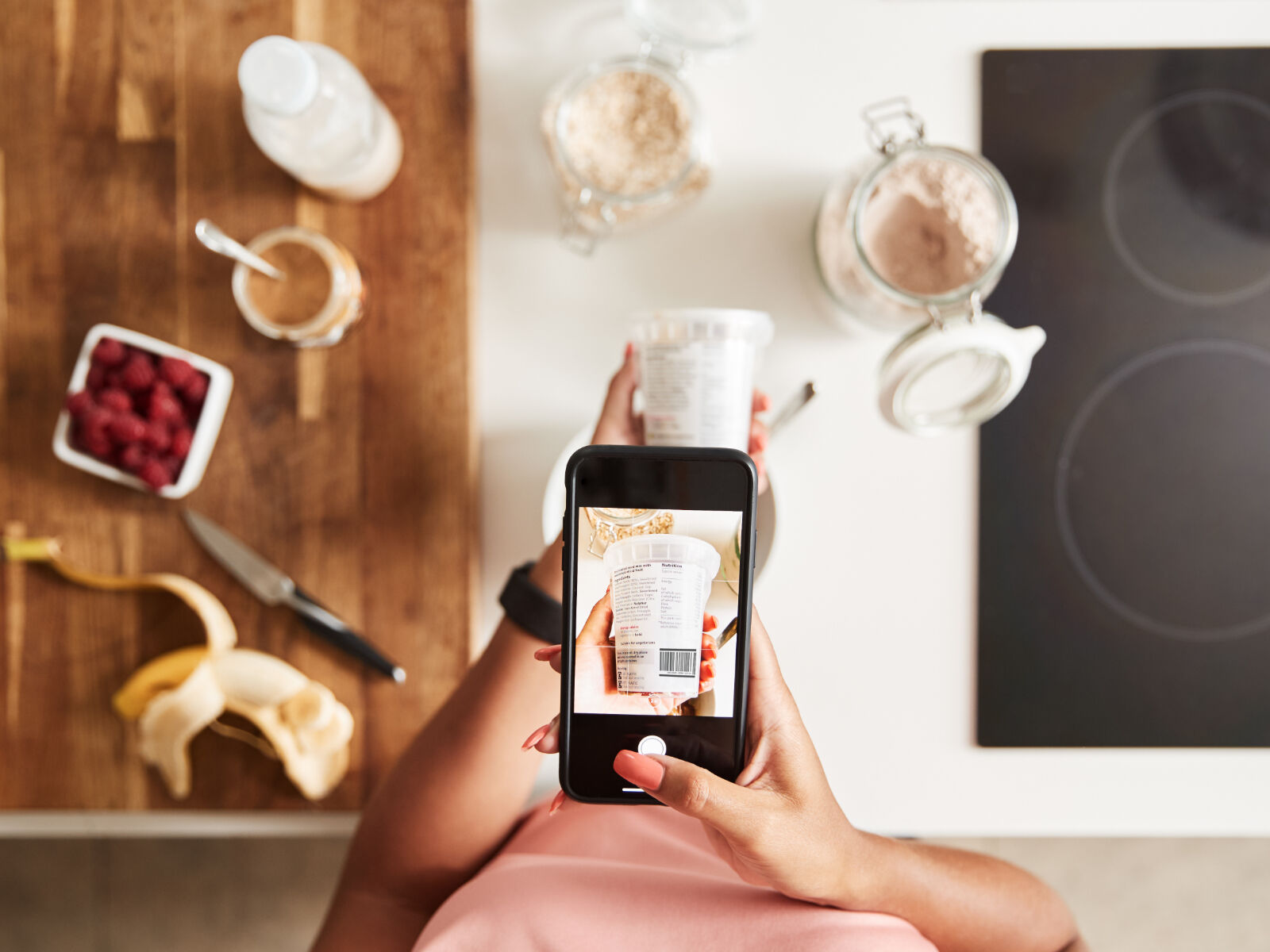
We compared the nutrition labels and ingredients of Unreal Milk Chocolate Gems and classic M&M’s Milk Chocolate to see what you’re really getting.
Unreal vs. M&M’s: What the Nutrition Labels Reveal
The biggest difference is added sugar. Unreal contains about 40% less added sugar than traditional M&M’s when you compare equal amounts. That’s a meaningful reduction, especially if you’re trying to cut back on added sugar without giving up chocolate.
But there’s a tradeoff. Unreal contains more total fat and saturated fat, and both candies have nearly identical calories.
Here’s how they compare per 30 grams, adjusted to account for their different serving sizes:
Nutrition
Unreal Milk Chocolate Gems
M&M’s Milk Chocolate
Calories
140
144
Added sugar
11 g
18 g
Total fat
8 g
5.6 g
Saturated fat
4.5 g
3.3 g
Synthetic food dyes
None
5
So while Unreal comes out ahead on added sugar, it’s not necessarily a lighter treat. It simply has a different nutritional profile.
What About the Ingredients?
Both candies contain milk chocolate surrounded by a colorful candy shell, but their ingredient lists tell slightly different stories.
Traditional M&M’s list sugar as the first ingredient and use sweeteners such as corn syrup. Unreal’s chocolate starts with chocolate liquor and cocoa butter, with cane sugar appearing further down the ingredient list. Unreal also uses tapioca syrup, so it isn’t free of added sweeteners.
The other noticeable difference is how the candies get their colors.
Unreal uses ingredients such as turmeric, beet juice, and spirulina extract to create its colorful shells. Traditional M&M’s use synthetic food dyes, including Red 40, Yellow 5, Yellow 6, Blue 1, and Blue 2.
If you’re trying to reduce added sugar or avoid synthetic dyes, these differences may make Unreal more appealing. But it’s worth remembering that a shorter or more recognizable ingredient list doesn’t automatically make a food healthier.
Are Artificial Food Dyes Actually a Concern?
Artificial food dyes have received plenty of attention in recent years, particularly when it comes to children’s health.
According to the FDA , most children don’t experience adverse effects from approved color additives. However, some evidence suggests that certain children may be sensitive to them.
A 2021 assessment from California’s Office of Environmental Health Hazard Assessment also found evidence linking synthetic food dyes to hyperactivity and other behavioral effects in some children.
That doesn’t mean eating a handful of M&M’s will cause behavioral problems. The research suggests that sensitivity varies, and the effects aren’t the same for everyone.
Still, for parents who prefer to limit synthetic food dyes, Unreal offers an alternative without them.
So, Is Unreal Actually Healthier Than M&M’s?
It depends on what you’re looking for.
If reducing added sugar is your priority, Unreal has a clear advantage. Its Milk Chocolate Gems contain about 7 fewer grams of added sugar per 30 grams than traditional M&M’s. And if you prefer to avoid synthetic food dyes, Unreal checks that box, too.
On the other hand, Unreal contains more saturated fat, and the calorie difference is negligible. It also generally costs more than traditional M&M’s.
Neither candy is a significant source of fiber or protein, so neither is going to offer the same nutritional benefits as a snack built around fruit, nuts, or yogurt. But that doesn’t mean you can’t occasionally include them as part of a balanced diet.
The bottom line? Unreal is a reasonable choice if you want candy with less added sugar and no synthetic dyes. Just don’t mistake those advantages for a completely different kind of food. Both are still candy, and in this case, portion size matters more than which brand you choose.
Nutrition figures are based on manufacturer and USDA FoodData Central label information, standardized to 30 grams for comparison. Check current packaging, as formulations may change.
What our editors love right now
Be the first to know.
Sign Up Today
https://cleanplates.com/wp-content/plugins/memberpress/js/signup.js
var gform;gform||(document.addEventListener("gform_main_scripts_loaded",function(){gform.scriptsLoaded=!0}),document.addEventListener("gform/theme/scripts_loaded",function(){gform.themeScriptsLoaded=!0}),window.addEventListener("DOMContentLoaded",function(){gform.domLoaded=!0}),gform={domLoaded:!1,scriptsLoaded:!1,themeScriptsLoaded:!1,isFormEditor:()=>"function"==typeof InitializeEditor,callIfLoaded:function(o){return!(!gform.domLoaded||!gform.scriptsLoaded||!gform.themeScriptsLoaded&&!gform.isFormEditor()||(gform.isFormEditor()&&console.warn("The use of gform.initializeOnLoaded() is deprecated in the form editor context and will be removed in Gravity Forms 3.1."),o(),0))},initializeOnLoaded:function(o){gform.callIfLoaded(o)||(document.addEventListener("gform_main_scripts_loaded",()=>{gform.scriptsLoaded=!0,gform.callIfLoaded(o)}),document.addEventListener("gform/theme/scripts_loaded",()=>{gform.themeScriptsLoaded=!0,gform.callIfLoaded(o)}),window.addEventListener("DOMContentLoaded",()=>{gform.domLoaded=!0,gform.callIfLoaded(o)}))},hooks:{action:{},filter:{}},addAction:function(o,r,e,t){gform.addHook("action",o,r,e,t)},addFilter:function(o,r,e,t){gform.addHook("filter",o,r,e,t)},doAction:function(o){gform.doHook("action",o,arguments)},applyFilters:function(o){return gform.doHook("filter",o,arguments)},removeAction:function(o,r){gform.removeHook("action",o,r)},removeFilter:function(o,r,e){gform.removeHook("filter",o,r,e)},addHook:function(o,r,e,t,n){null==gform.hooks[o][r]&&(gform.hooks[o][r]=[]);var d=gform.hooks[o][r];null==n&&(n=r+"_"+d.length),gform.hooks[o][r].push({tag:n,callable:e,priority:t=null==t?10:t})},doHook:function(r,o,e){var t;if(e=Array.prototype.slice.call(e,1),null!=gform.hooks[r][o]&&((o=gform.hooks[r][o]).sort(function(o,r){return o.priority-r.priority}),o.forEach(function(o){"function"!=typeof(t=o.callable)&&(t=window[t]),"action"==r?t.apply(null,e):e[0]=t.apply(null,e)})),"filter"==r)return e[0]},removeHook:function(o,r,t,n){var e;null!=gform.hooks[o][r]&&(e=(e=gform.hooks[o][r]).filter(function(o,r,e){return!!(null!=n&&n!=o.tag||null!=t&&t!=o.priority)}),gform.hooks[o][r]=e)}});
gform.initializeOnLoaded( function() {jQuery('#gform_ajax_frame_1894794306').on('load',function(){var contents = jQuery(this).contents().find('*').html();var is_postback = contents.indexOf('GF_AJAX_POSTBACK') >= 0;if(!is_postback){return;}var form_content = jQuery(this).contents().find('#gform_wrapper_1894794306');var is_confirmation = jQuery(this).contents().find('#gform_confirmation_wrapper_1894794306').length > 0;var is_redirect = contents.indexOf('gformRedirect(){') >= 0;var is_form = form_content.length > 0 && ! is_redirect && ! is_confirmation;var mt = parseInt(jQuery('html').css('margin-top'), 10) + parseInt(jQuery('body').css('margin-top'), 10) + 100;if(is_form){jQuery('#gform_wrapper_1894794306').html(form_content.html());if(form_content.hasClass('gform_validation_error')){jQuery('#gform_wrapper_1894794306').addClass('gform_validation_error');} else {jQuery('#gform_wrapper_1894794306').removeClass('gform_validation_error');}setTimeout( function() { /* delay the scroll by 50 milliseconds to fix a bug in chrome */ jQuery(document).scrollTop(jQuery('#gform_wrapper_1894794306').offset().top - mt); }, 50 );var current_page = jQuery('#gform_source_page_number_8').val();jQuery(document).trigger('gform_page_loaded', [1894794306, current_page]);window['gf_submitting_1894794306'] = false;}else if(!is_redirect){var confirmation_content = jQuery(this).contents().find('.GF_AJAX_POSTBACK').html();if(!confirmation_content){confirmation_content = contents;}jQuery('#gform_wrapper_1894794306').replaceWith(confirmation_content);jQuery(document).scrollTop(jQuery('#gf_1894794306').offset().top - mt);jQuery(document).trigger('gform_confirmation_loaded', [1894794306]);if(window.gform && gform.pagination && gform.pagination.removePageQueryArg){gform.pagination.removePageQueryArg(8);}window['gf_submitting_1894794306'] = false;wp.a11y.speak(jQuery('#gform_confirmation_message_1894794306').text());}else{jQuery('#gform_1894794306').append(contents);if(window['gformRedirect']) {gformRedirect();}}jQuery(document).trigger("gform_pre_post_render", [{ formId: "8", currentPage: "current_page", abort: function() { this.preventDefault(); } }]); if (event && event.defaultPrevented) { return; } const gformWrapperDiv = document.getElementById( "gform_wrapper_8" ); if ( gformWrapperDiv ) { const visibilitySpan = document.createElement( "span" ); visibilitySpan.id = "gform_visibility_test_8"; gformWrapperDiv.insertAdjacentElement( "afterend", visibilitySpan ); } const visibilityTestDiv = document.getElementById( "gform_visibility_test_8" ); let postRenderFired = false; function triggerPostRender() { if ( postRenderFired ) { return; } postRenderFired = true; gform.core.triggerPostRenderEvents( 8, current_page ); if ( visibilityTestDiv ) { visibilityTestDiv.parentNode.removeChild( visibilityTestDiv ); } } function debounce( func, wait, immediate ) { var timeout; return function() { var context = this, args = arguments; var later = function() { timeout = null; if ( !immediate ) func.apply( context, args ); }; var callNow = immediate && !timeout; clearTimeout( timeout ); timeout = setTimeout( later, wait ); if ( callNow ) func.apply( context, args ); }; } const debouncedTriggerPostRender = debounce( function() { triggerPostRender(); }, 200 ); if ( visibilityTestDiv && visibilityTestDiv.offsetParent === null ) { const observer = new MutationObserver( ( mutations ) => { mutations.forEach( ( mutation ) => { if ( mutation.type === 'attributes' && visibilityTestDiv.offsetParent !== null ) { debouncedTriggerPostRender(); observer.disconnect(); } }); }); observer.observe( document.body, { attributes: true, childList: false, subtree: true, attributeFilter: [ 'style', 'class' ], }); } else { triggerPostRender(); } } );} );
gform.initializeOnLoaded( function() {jQuery('#gform_ajax_frame_1005258167').on('load',function(){var contents = jQuery(this).contents().find('*').html();var is_postback = contents.indexOf('GF_AJAX_POSTBACK') >= 0;if(!is_postback){return;}var form_content = jQuery(this).contents().find('#gform_wrapper_1005258167');var is_confirmation = jQuery(this).contents().find('#gform_confirmation_wrapper_1005258167').length > 0;var is_redirect = contents.indexOf('gformRedirect(){') >= 0;var is_form = form_content.length > 0 && ! is_redirect && ! is_confirmation;var mt = parseInt(jQuery('html').css('margin-top'), 10) + parseInt(jQuery('body').css('margin-top'), 10) + 100;if(is_form){jQuery('#gform_wrapper_1005258167').html(form_content.html());if(form_content.hasClass('gform_validation_error')){jQuery('#gform_wrapper_1005258167').addClass('gform_validation_error');} else {jQuery('#gform_wrapper_1005258167').removeClass('gform_validation_error');}setTimeout( function() { /* delay the scroll by 50 milliseconds to fix a bug in chrome */ jQuery(document).scrollTop(jQuery('#gform_wrapper_1005258167').offset().top - mt); }, 50 );var current_page = jQuery('#gform_source_page_number_8').val();jQuery(document).trigger('gform_page_loaded', [1005258167, current_page]);window['gf_submitting_1005258167'] = false;}else if(!is_redirect){var confirmation_content = jQuery(this).contents().find('.GF_AJAX_POSTBACK').html();if(!confirmation_content){confirmation_content = contents;}jQuery('#gform_wrapper_1005258167').replaceWith(confirmation_content);jQuery(document).scrollTop(jQuery('#gf_1005258167').offset().top - mt);jQuery(document).trigger('gform_confirmation_loaded', [1005258167]);if(window.gform && gform.pagination && gform.pagination.removePageQueryArg){gform.pagination.removePageQueryArg(8);}window['gf_submitting_1005258167'] = false;wp.a11y.speak(jQuery('#gform_confirmation_message_1005258167').text());}else{jQuery('#gform_1005258167').append(contents);if(window['gformRedirect']) {gformRedirect();}}jQuery(document).trigger("gform_pre_post_render", [{ formId: "8", currentPage: "current_page", abort: function() { this.preventDefault(); } }]); if (event && event.defaultPrevented) { return; } const gformWrapperDiv = document.getElementById( "gform_wrapper_8" ); if ( gformWrapperDiv ) { const visibilitySpan = document.createElement( "span" ); visibilitySpan.id = "gform_visibility_test_8"; gformWrapperDiv.insertAdjacentElement( "afterend", visibilitySpan ); } const visibilityTestDiv = document.getElementById( "gform_visibility_test_8" ); let postRenderFired = false; function triggerPostRender() { if ( postRenderFired ) { return; } postRenderFired = true; gform.core.triggerPostRenderEvents( 8, current_page ); if ( visibilityTestDiv ) { visibilityTestDiv.parentNode.removeChild( visibilityTestDiv ); } } function debounce( func, wait, immediate ) { var timeout; return function() { var context = this, args = arguments; var later = function() { timeout = null; if ( !immediate ) func.apply( context, args ); }; var callNow = immediate && !timeout; clearTimeout( timeout ); timeout = setTimeout( later, wait ); if ( callNow ) func.apply( context, args ); }; } const debouncedTriggerPostRender = debounce( function() { triggerPostRender(); }, 200 ); if ( visibilityTestDiv && visibilityTestDiv.offsetParent === null ) { const observer = new MutationObserver( ( mutations ) => { mutations.forEach( ( mutation ) => { if ( mutation.type === 'attributes' && visibilityTestDiv.offsetParent !== null ) { debouncedTriggerPostRender(); observer.disconnect(); } }); }); observer.observe( document.body, { attributes: true, childList: false, subtree: true, attributeFilter: [ 'style', 'class' ], }); } else { triggerPostRender(); } } );} );
document.addEventListener('DOMContentLoaded', () => {
document
.querySelectorAll('.affiliate a')
.forEach(link => link.classList.add('affiliate-link'));
});
(function(d,u,ac){var s=d.createElement('script');s.type='text/javascript';s.src='https://a.omappapi.com/app/js/api.min.js';s.async=true;s.dataset.user=u;s.dataset.campaign=ac;d.getElementsByTagName('head')[0].appendChild(s);})(document,163062,'jmzkr8och7yi5haazfag');
var jmzkr8och7yi5haazfag_shortcode = true;
https://cleanplates.com/wp-content/plugins/bb-plugin/js/libs/jquery.imagesloaded.min.js
https://cleanplates.com/wp-content/plugins/bb-plugin/js/libs/jquery.ba-throttle-debounce.min.js
https://cleanplates.com/wp-content/themes/bb-theme-child/js/footer.min.js
https://cleanplates.com/wp-content/plugins/page-links-to/dist/new-tab.js
(function(d){var s=d.createElement("script");s.type="text/javascript";s.src="https://a.omappapi.com/app/js/api.min.js";s.async=true;s.id="omapi-script";d.getElementsByTagName("head")[0].appendChild(s);})(document);
https://cleanplates.com/wp-content/plugins/bb-plugin/js/libs/jquery.magnificpopup.min.js
https://cleanplates.com/wp-content/plugins/bb-plugin/js/libs/jquery.fitvids.min.js
var themeopts = {"medium_breakpoint":"990","mobile_breakpoint":"641","lightbox":"enabled","scrollTopPosition":"800"};
//# sourceURL=fl-automator-js-extra
https://cleanplates.com/wp-content/themes/bb-theme/js/theme.min.js
https://cleanplates.com/wp-includes/js/dist/vendor/react.min.js
https://cleanplates.com/wp-includes/js/dist/vendor/react-dom.min.js
https://cleanplates.com/wp-includes/js/dist/escape-html.min.js
https://cleanplates.com/wp-includes/js/dist/element.min.js
https://cleanplates.com/wp-includes/js/dist/dom-ready.min.js
https://cleanplates.com/wp-includes/js/dist/a11y.min.js
https://cleanplates.com/wp-content/plugins/gravityforms/js/jquery.json.min.js
var gform_i18n = {"datepicker":{"wdOffset":1,"helpTextShort":"Press F1 for help","helpText":"Press the arrow keys to navigate by day, PageUp and PageDown to navigate by month, Alt+PageUp and Alt+PageDown to navigate by year, or Escape to cancel.","openOnFocusHelpText":"Press Down arrow to browse the calendar, or Escape to close.","tooltipTxt":"Press Escape to cancel","disabledTxt":"Disabled","markedTxt":"Selected","prevTxt":"Previous","nextTxt":"Next","monthTxt":"Month","yearTxt":"Year","months":["January","February","March","April","May","June","July","August","September","October","November","December"],"days":[{"s":"S","l":"Sunday"},{"s":"M","l":"Monday"},{"s":"T","l":"Tuesday"},{"s":"W","l":"Wednesday"},{"s":"T","l":"Thursday"},{"s":"F","l":"Friday"},{"s":"S","l":"Saturday"}]}};
var gf_legacy_multi = [];
var gform_gravityforms = {"strings":{"invalid_file_extension":"This type of file is not allowed. Must be one of the following:","file_uploaded":"File uploaded","delete_file":"Delete this file","in_progress":"in progress","file_exceeds_limit":"File exceeds size limit","illegal_extension":"This type of file is not allowed.","max_reached":"Maximum number of files reached","unknown_error":"There was a problem while saving the file on the server","currently_uploading":"Please wait for the uploading to complete","cancel":"Cancel","cancel_upload":"Cancel this upload","cancelled":"Cancelled","error":"Error","message":"Message"},"vars":{"images_url":"https://cleanplates.com/wp-content/plugins/gravityforms/images"}};
var gf_global = {"gf_currency_config":{"name":"U.S. Dollar","symbol_left":"$","symbol_right":"","symbol_padding":"","thousand_separator":",","decimal_separator":".","decimals":2,"code":"USD"},"base_url":"https://cleanplates.com/wp-content/plugins/gravityforms","number_formats":[],"version_hash":"a4604455df7c69f7fa9d9d06aaaeeb0e","countries":{"AF":"Afghanistan","AX":"\u00c5land Islands","AL":"Albania","DZ":"Algeria","AS":"American Samoa","AD":"Andorra","AO":"Angola","AI":"Anguilla","AQ":"Antarctica","AG":"Antigua and Barbuda","AR":"Argentina","AM":"Armenia","AW":"Aruba","AU":"Australia","AT":"Austria","AZ":"Azerbaijan","BS":"Bahamas","BH":"Bahrain","BD":"Bangladesh","BB":"Barbados","BY":"Belarus","BE":"Belgium","BZ":"Belize","BJ":"Benin","BM":"Bermuda","BT":"Bhutan","BO":"Bolivia","BQ":"Bonaire, Sint Eustatius and Saba","BA":"Bosnia and Herzegovina","BW":"Botswana","BV":"Bouvet Island","BR":"Brazil","IO":"British Indian Ocean Territory","BN":"Brunei Darussalam","BG":"Bulgaria","BF":"Burkina Faso","BI":"Burundi","CV":"Cabo Verde","KH":"Cambodia","CM":"Cameroon","CA":"Canada","KY":"Cayman Islands","CF":"Central African Republic","TD":"Chad","CL":"Chile","CN":"China","CX":"Christmas Island","CC":"Cocos Islands","CO":"Colombia","KM":"Comoros","CD":"Congo, Democratic Republic of the","CG":"Congo","CK":"Cook Islands","CR":"Costa Rica","CI":"C\u00f4te d'Ivoire","HR":"Croatia","CU":"Cuba","CW":"Cura\u00e7ao","CY":"Cyprus","CZ":"Czechia","DK":"Denmark","DJ":"Djibouti","DM":"Dominica","DO":"Dominican Republic","EC":"Ecuador","EG":"Egypt","SV":"El Salvador","GQ":"Equatorial Guinea","ER":"Eritrea","EE":"Estonia","SZ":"Eswatini","ET":"Ethiopia","FK":"Falkland Islands","FO":"Faroe Islands","FJ":"Fiji","FI":"Finland","FR":"France","GF":"French Guiana","PF":"French Polynesia","TF":"French Southern Territories","GA":"Gabon","GM":"Gambia","GE":"Georgia","DE":"Germany","GH":"Ghana","GI":"Gibraltar","GR":"Greece","GL":"Greenland","GD":"Grenada","GP":"Guadeloupe","GU":"Guam","GT":"Guatemala","GG":"Guernsey","GN":"Guinea","GW":"Guinea-Bissau","GY":"Guyana","HT":"Haiti","HM":"Heard Island and McDonald Islands","VA":"Holy See","HN":"Honduras","HK":"Hong Kong","HU":"Hungary","IS":"Iceland","IN":"India","ID":"Indonesia","IR":"Iran","IQ":"Iraq","IE":"Ireland","IM":"Isle of Man","IL":"Israel","IT":"Italy","JM":"Jamaica","JP":"Japan","JE":"Jersey","JO":"Jordan","KZ":"Kazakhstan","KE":"Kenya","KI":"Kiribati","KP":"Korea, Democratic People's Republic of","KR":"Korea, Republic of","KW":"Kuwait","KG":"Kyrgyzstan","LA":"Lao People's Democratic Republic","LV":"Latvia","LB":"Lebanon","LS":"Lesotho","LR":"Liberia","LY":"Libya","LI":"Liechtenstein","LT":"Lithuania","LU":"Luxembourg","MO":"Macao","MG":"Madagascar","MW":"Malawi","MY":"Malaysia","MV":"Maldives","ML":"Mali","MT":"Malta","MH":"Marshall Islands","MQ":"Martinique","MR":"Mauritania","MU":"Mauritius","YT":"Mayotte","MX":"Mexico","FM":"Micronesia","MD":"Moldova","MC":"Monaco","MN":"Mongolia","ME":"Montenegro","MS":"Montserrat","MA":"Morocco","MZ":"Mozambique","MM":"Myanmar","NA":"Namibia","NR":"Nauru","NP":"Nepal","NL":"Netherlands","NC":"New Caledonia","NZ":"New Zealand","NI":"Nicaragua","NE":"Niger","NG":"Nigeria","NU":"Niue","NF":"Norfolk Island","MK":"North Macedonia","MP":"Northern Mariana Islands","NO":"Norway","OM":"Oman","PK":"Pakistan","PW":"Palau","PS":"Palestine, State of","PA":"Panama","PG":"Papua New Guinea","PY":"Paraguay","PE":"Peru","PH":"Philippines","PN":"Pitcairn","PL":"Poland","PT":"Portugal","PR":"Puerto Rico","QA":"Qatar","RE":"R\u00e9union","RO":"Romania","RU":"Russian Federation","RW":"Rwanda","BL":"Saint Barth\u00e9lemy","SH":"Saint Helena, Ascension and Tristan da Cunha","KN":"Saint Kitts and Nevis","LC":"Saint Lucia","MF":"Saint Martin","PM":"Saint Pierre and Miquelon","VC":"Saint Vincent and the Grenadines","WS":"Samoa","SM":"San Marino","ST":"Sao Tome and Principe","SA":"Saudi Arabia","SN":"Senegal","RS":"Serbia","SC":"Seychelles","SL":"Sierra Leone","SG":"Singapore","SX":"Sint Maarten","SK":"Slovakia","SI":"Slovenia","SB":"Solomon Islands","SO":"Somalia","ZA":"South Africa","GS":"South Georgia and the South Sandwich Islands","SS":"South Sudan","ES":"Spain","LK":"Sri Lanka","SD":"Sudan","SR":"Suriname","SJ":"Svalbard and Jan Mayen","SE":"Sweden","CH":"Switzerland","SY":"Syria Arab Republic","TW":"Taiwan","TJ":"Tajikistan","TZ":"Tanzania, the United Republic of","TH":"Thailand","TL":"Timor-Leste","TG":"Togo","TK":"Tokelau","TO":"Tonga","TT":"Trinidad and Tobago","TN":"Tunisia","TR":"T\u00fcrkiye","TM":"Turkmenistan","TC":"Turks and Caicos Islands","TV":"Tuvalu","UG":"Uganda","UA":"Ukraine","AE":"United Arab Emirates","GB":"United Kingdom","US":"United States","UY":"Uruguay","UM":"US Minor Outlying Islands","UZ":"Uzbekistan","VU":"Vanuatu","VE":"Venezuela","VN":"Viet Nam","VG":"Virgin Islands, British","VI":"Virgin Islands, U.S.","WF":"Wallis and Futuna","EH":"Western Sahara","YE":"Yemen","ZM":"Zambia","ZW":"Zimbabwe"},"strings":{"newRowAdded":"New row added.","rowRemoved":"Row removed","formSaved":"The form has been saved. The content contains the link to return and complete the form."}};
var gf_global = {"gf_currency_config":{"name":"U.S. Dollar","symbol_left":"$","symbol_right":"","symbol_padding":"","thousand_separator":",","decimal_separator":".","decimals":2,"code":"USD"},"base_url":"https://cleanplates.com/wp-content/plugins/gravityforms","number_formats":[],"version_hash":"a4604455df7c69f7fa9d9d06aaaeeb0e","countries":{"AF":"Afghanistan","AX":"\u00c5land Islands","AL":"Albania","DZ":"Algeria","AS":"American Samoa","AD":"Andorra","AO":"Angola","AI":"Anguilla","AQ":"Antarctica","AG":"Antigua and Barbuda","AR":"Argentina","AM":"Armenia","AW":"Aruba","AU":"Australia","AT":"Austria","AZ":"Azerbaijan","BS":"Bahamas","BH":"Bahrain","BD":"Bangladesh","BB":"Barbados","BY":"Belarus","BE":"Belgium","BZ":"Belize","BJ":"Benin","BM":"Bermuda","BT":"Bhutan","BO":"Bolivia","BQ":"Bonaire, Sint Eustatius and Saba","BA":"Bosnia and Herzegovina","BW":"Botswana","BV":"Bouvet Island","BR":"Brazil","IO":"British Indian Ocean Territory","BN":"Brunei Darussalam","BG":"Bulgaria","BF":"Burkina Faso","BI":"Burundi","CV":"Cabo Verde","KH":"Cambodia","CM":"Cameroon","CA":"Canada","KY":"Cayman Islands","CF":"Central African Republic","TD":"Chad","CL":"Chile","CN":"China","CX":"Christmas Island","CC":"Cocos Islands","CO":"Colombia","KM":"Comoros","CD":"Congo, Democratic Republic of the","CG":"Congo","CK":"Cook Islands","CR":"Costa Rica","CI":"C\u00f4te d'Ivoire","HR":"Croatia","CU":"Cuba","CW":"Cura\u00e7ao","CY":"Cyprus","CZ":"Czechia","DK":"Denmark","DJ":"Djibouti","DM":"Dominica","DO":"Dominican Republic","EC":"Ecuador","EG":"Egypt","SV":"El Salvador","GQ":"Equatorial Guinea","ER":"Eritrea","EE":"Estonia","SZ":"Eswatini","ET":"Ethiopia","FK":"Falkland Islands","FO":"Faroe Islands","FJ":"Fiji","FI":"Finland","FR":"France","GF":"French Guiana","PF":"French Polynesia","TF":"French Southern Territories","GA":"Gabon","GM":"Gambia","GE":"Georgia","DE":"Germany","GH":"Ghana","GI":"Gibraltar","GR":"Greece","GL":"Greenland","GD":"Grenada","GP":"Guadeloupe","GU":"Guam","GT":"Guatemala","GG":"Guernsey","GN":"Guinea","GW":"Guinea-Bissau","GY":"Guyana","HT":"Haiti","HM":"Heard Island and McDonald Islands","VA":"Holy See","HN":"Honduras","HK":"Hong Kong","HU":"Hungary","IS":"Iceland","IN":"India","ID":"Indonesia","IR":"Iran","IQ":"Iraq","IE":"Ireland","IM":"Isle of Man","IL":"Israel","IT":"Italy","JM":"Jamaica","JP":"Japan","JE":"Jersey","JO":"Jordan","KZ":"Kazakhstan","KE":"Kenya","KI":"Kiribati","KP":"Korea, Democratic People's Republic of","KR":"Korea, Republic of","KW":"Kuwait","KG":"Kyrgyzstan","LA":"Lao People's Democratic Republic","LV":"Latvia","LB":"Lebanon","LS":"Lesotho","LR":"Liberia","LY":"Libya","LI":"Liechtenstein","LT":"Lithuania","LU":"Luxembourg","MO":"Macao","MG":"Madagascar","MW":"Malawi","MY":"Malaysia","MV":"Maldives","ML":"Mali","MT":"Malta","MH":"Marshall Islands","MQ":"Martinique","MR":"Mauritania","MU":"Mauritius","YT":"Mayotte","MX":"Mexico","FM":"Micronesia","MD":"Moldova","MC":"Monaco","MN":"Mongolia","ME":"Montenegro","MS":"Montserrat","MA":"Morocco","MZ":"Mozambique","MM":"Myanmar","NA":"Namibia","NR":"Nauru","NP":"Nepal","NL":"Netherlands","NC":"New Caledonia","NZ":"New Zealand","NI":"Nicaragua","NE":"Niger","NG":"Nigeria","NU":"Niue","NF":"Norfolk Island","MK":"North Macedonia","MP":"Northern Mariana Islands","NO":"Norway","OM":"Oman","PK":"Pakistan","PW":"Palau","PS":"Palestine, State of","PA":"Panama","PG":"Papua New Guinea","PY":"Paraguay","PE":"Peru","PH":"Philippines","PN":"Pitcairn","PL":"Poland","PT":"Portugal","PR":"Puerto Rico","QA":"Qatar","RE":"R\u00e9union","RO":"Romania","RU":"Russian Federation","RW":"Rwanda","BL":"Saint Barth\u00e9lemy","SH":"Saint Helena, Ascension and Tristan da Cunha","KN":"Saint Kitts and Nevis","LC":"Saint Lucia","MF":"Saint Martin","PM":"Saint Pierre and Miquelon","VC":"Saint Vincent and the Grenadines","WS":"Samoa","SM":"San Marino","ST":"Sao Tome and Principe","SA":"Saudi Arabia","SN":"Senegal","RS":"Serbia","SC":"Seychelles","SL":"Sierra Leone","SG":"Singapore","SX":"Sint Maarten","SK":"Slovakia","SI":"Slovenia","SB":"Solomon Islands","SO":"Somalia","ZA":"South Africa","GS":"South Georgia and the South Sandwich Islands","SS":"South Sudan","ES":"Spain","LK":"Sri Lanka","SD":"Sudan","SR":"Suriname","SJ":"Svalbard and Jan Mayen","SE":"Sweden","CH":"Switzerland","SY":"Syria Arab Republic","TW":"Taiwan","TJ":"Tajikistan","TZ":"Tanzania, the United Republic of","TH":"Thailand","TL":"Timor-Leste","TG":"Togo","TK":"Tokelau","TO":"Tonga","TT":"Trinidad and Tobago","TN":"Tunisia","TR":"T\u00fcrkiye","TM":"Turkmenistan","TC":"Turks and Caicos Islands","TV":"Tuvalu","UG":"Uganda","UA":"Ukraine","AE":"United Arab Emirates","GB":"United Kingdom","US":"United States","UY":"Uruguay","UM":"US Minor Outlying Islands","UZ":"Uzbekistan","VU":"Vanuatu","VE":"Venezuela","VN":"Viet Nam","VG":"Virgin Islands, British","VI":"Virgin Islands, U.S.","WF":"Wallis and Futuna","EH":"Western Sahara","YE":"Yemen","ZM":"Zambia","ZW":"Zimbabwe"},"strings":{"newRowAdded":"New row added.","rowRemoved":"Row removed","formSaved":"The form has been saved. The content contains the link to return and complete the form."}};
//# sourceURL=gform_gravityforms-js-extra
https://cleanplates.com/wp-content/plugins/gravityforms/js/gravityforms.min.js
https://cleanplates.com/wp-content/plugins/gravityforms/assets/js/dist/utils.min.js
https://cleanplates.com/wp-content/plugins/gravityforms/assets/js/dist/vendor-theme.min.js
var gform_theme_config = {"common":{"form":{"honeypot":{"version_hash":"a4604455df7c69f7fa9d9d06aaaeeb0e"},"ajax":{"ajaxurl":"https://cleanplates.com/wp-admin/admin-ajax.php","ajax_submission_nonce":"3227d49427","i18n":{"step_announcement":"Step %1$s of %2$s, %3$s","unknown_error":"There was an unknown error processing your request. Please try again.","error_403":"The request was blocked (403 error) for unknown security reasons. Remove any code-like text (scripts or DB queries) and try again."}}}},"fields":{"repeater":{"strings":{"item_added":"added.","item_removed":"removed.","renumbered":"and above renumbered.","max_items":"You have reached the maximum number of repeated items.","confirm_delete":"Are you sure you want to remove {label} {number}?"}}},"hmr_dev":"","public_path":"https://cleanplates.com/wp-content/plugins/gravityforms/assets/js/dist/","config_nonce":"0bd4be6107"};
//# sourceURL=gform_gravityforms_theme-js-extra
https://cleanplates.com/wp-content/plugins/gravityforms/assets/js/dist/scripts-theme.min.js
var gfZeroSpamConfig = {"forms":[{"ajaxUrl":"https:\/\/cleanplates.com\/wp-admin\/admin-ajax.php","fallbackToken":"OHwxNzk0MzU3NTIyfDE3OTQ5NjIzMjJ8NDQ5OGY0MGY2ZTU5ZjcyMDlhZDJlNDgwZWRkY2Y2NDh8MQ.YjFkZGQzZmQyMzIwYjA5ZDYwZTVhZGY1OGE5ZmM1Nzg4ZDc2NDJlZGEwMGMxOGJlM2RmNWJhNzdkMDJkZDBiMw","formId":8,"timeout":3000}],"debug":false};
https://cleanplates.com/wp-content/plugins/gravity-forms-zero-spam/dist/js/gf-zero-spam.js
https://cleanplates.com/wp-content/plugins/optinmonster/assets/dist/js/helper.min.js
jQuery('.soliloquy-container').removeClass('no-js');
gform.initializeOnLoaded( function() { jQuery(document).on('gform_post_render', function(event, formId, currentPage){if(formId == 8) {if(typeof Placeholders != 'undefined'){
Placeholders.enable();
}} } );jQuery(document).on('gform_post_conditional_logic', function(event, formId, fields, isInit){} ) } );
gform.initializeOnLoaded( function() {jQuery(document).trigger("gform_pre_post_render", [{ formId: "8", currentPage: "1", abort: function() { this.preventDefault(); } }]); if (event && event.defaultPrevented) { return; } const gformWrapperDiv = document.getElementById( "gform_wrapper_8" ); if ( gformWrapperDiv ) { const visibilitySpan = document.createElement( "span" ); visibilitySpan.id = "gform_visibility_test_8"; gformWrapperDiv.insertAdjacentElement( "afterend", visibilitySpan ); } const visibilityTestDiv = document.getElementById( "gform_visibility_test_8" ); let postRenderFired = false; function triggerPostRender() { if ( postRenderFired ) { return; } postRenderFired = true; gform.core.triggerPostRenderEvents( 8, 1 ); if ( visibilityTestDiv ) { visibilityTestDiv.parentNode.removeChild( visibilityTestDiv ); } } function debounce( func, wait, immediate ) { var timeout; return function() { var context = this, args = arguments; var later = function() { timeout = null; if ( !immediate ) func.apply( context, args ); }; var callNow = immediate && !timeout; clearTimeout( timeout ); timeout = setTimeout( later, wait ); if ( callNow ) func.apply( context, args ); }; } const debouncedTriggerPostRender = debounce( function() { triggerPostRender(); }, 200 ); if ( visibilityTestDiv && visibilityTestDiv.offsetParent === null ) { const observer = new MutationObserver( ( mutations ) => { mutations.forEach( ( mutation ) => { if ( mutation.type === 'attributes' && visibilityTestDiv.offsetParent !== null ) { debouncedTriggerPostRender(); observer.disconnect(); } }); }); observer.observe( document.body, { attributes: true, childList: false, subtree: true, attributeFilter: [ 'style', 'class' ], }); } else { triggerPostRender(); } } );
var omapi_localized = {
ajax: 'https://cleanplates.com/wp-admin/admin-ajax.php?optin-monster-ajax-route=1',
nonce: '15fe0c3209',
slugs:
{"jmzkr8och7yi5haazfag":{"slug":"jmzkr8och7yi5haazfag","mailpoet":false}} };
var omapi_data = {"object_id":61984,"object_key":"post","object_type":"post","term_ids":[3977],"wp_json":"https:\/\/cleanplates.com\/wp-json","wc_active":false,"edd_active":false,"nonce":"2e4d73595d"};
var wpAjaxUrl='https://cleanplates.com/wp-admin/admin-ajax.php';var flBuilderUrl='https://cleanplates.com/wp-content/plugins/bb-plugin/';var FLBuilderLayoutConfig={anchorLinkAnimations:{duration:1000,easing:'swing',offset:100},paths:{pluginUrl:'https://cleanplates.com/wp-content/plugins/bb-plugin/',wpAjaxUrl:'https://cleanplates.com/wp-admin/admin-ajax.php'},breakpoints:{small:641,medium:961,large:1200},waypoint:{offset:80},emptyColWidth:'0%',i18n:{opensInNewTab:'(opens in new tab)'}};(function($){if(typeof FLBuilderLayout!='undefined'){return;}
FLBuilderLayout={init:function(){FLBuilderLayout._destroy();FLBuilderLayout._initClasses();FLBuilderLayout._initBackgrounds();FLBuilderLayout._initButtons();FLBuilderLayout._initRowShapeLayerHeight();FLBuilderLayout._initLinkNotices();if(0===$('.fl-builder-edit').length){FLBuilderLayout._initAnchorLinks();FLBuilderLayout._initHash();FLBuilderLayout._initForms();FLBuilderLayout._reorderMenu();}
else{FLBuilderLayout._initNestedColsWidth();}
$('body').removeClass('fl-no-js');},refreshGalleries:function(element){var $element='undefined'==typeof element?$('body'):$(element),mfContent=$element.find('.fl-mosaicflow-content'),wmContent=$element.find('.fl-gallery'),mfObject=null;if(mfContent){mfObject=mfContent.data('mosaicflow');if(mfObject){mfObject.columns=$([]);mfObject.columnsHeights=[];mfContent.data('mosaicflow',mfObject);mfContent.mosaicflow('refill');}}
if(wmContent){wmContent.trigger('refreshWookmark');}},refreshGridLayout:function(element){var $element='undefined'==typeof element?$('body'):$(element),msnryContent=$element.find('.masonry');if(msnryContent.length){msnryContent.masonry('layout');}},reloadSlider:function(content){var $content='undefined'==typeof content?$('body'):$(content);if($content.find('.bx-viewport > div').length>0){$.each($content.find('.bx-viewport > div'),function(key,slider){setTimeout(function(){$(slider).data('bxSlider').reloadSlider();},100);});}},resizeAudio:function(element){var $element='undefined'==typeof element?$('body'):$(element),audioPlayers=$element.find('.wp-audio-shortcode.mejs-audio'),player=null,mejsPlayer=null,rail=null,railWidth=400;if(audioPlayers.length&&typeof mejs!=='undefined'){audioPlayers.each(function(){player=$(this);mejsPlayer=mejs.players[player.attr('id')];rail=player.find('.mejs-controls .mejs-time-rail');var innerMejs=player.find('.mejs-inner'),total=player.find('.mejs-controls .mejs-time-total');if(typeof mejsPlayer!=='undefined'){railWidth=Math.ceil(player.width()*0.8);if(innerMejs.length){rail.css('width',railWidth+'px!important');mejsPlayer.options.autosizeProgress=true;setTimeout(function(){mejsPlayer.setControlsSize();},50);player.find('.mejs-inner').css({visibility:'visible',height:'inherit'});}}});}},preloadAudio:function(element){var $element='undefined'==typeof element?$('body'):$(element),contentWrap=$element.closest('.fl-accordion-item'),audioPlayers=$element.find('.wp-audio-shortcode.mejs-audio');if(!contentWrap.hasClass('fl-accordion-item-active')&&audioPlayers.find('.mejs-inner').length){audioPlayers.find('.mejs-inner').css({visibility:'hidden',height:0});}},resizeSlideshow:function(){if(typeof YUI!=='undefined'){YUI().use('node-event-simulate',function(Y){Y.one(window).simulate("resize");});}},reloadGoogleMap:function(element){var $element='undefined'==typeof element?$('body'):$(element),googleMap=$element.find('iframe[src*="google.com/maps"]');if(googleMap.length){googleMap.attr('src',function(i,val){return val;});}},_destroy:function(){var win=$(window);win.off('scroll.fl-bg-parallax');win.off('resize.fl-bg-video');},_isTouch:function(){if(('ontouchstart'in window)||(window.DocumentTouch&&document instanceof DocumentTouch)){return true;}
return false;},_isMobile:function(){return/Mobile|Android|Silk\/|Kindle|BlackBerry|Opera Mini|Opera Mobi|webOS/i.test(navigator.userAgent);},_initClasses:function(){var body=$('body'),ua=navigator.userAgent;if(!body.hasClass('fl-builder-blocks-only')&&!body.hasClass('archive')&&$('.fl-builder-content-primary').length>0){body.addClass('fl-builder');}
if(FLBuilderLayout._isTouch()){body.addClass('fl-builder-touch');}
if(FLBuilderLayout._isMobile()){body.addClass('fl-builder-mobile');}
if($(window).width()<FLBuilderLayoutConfig.breakpoints.small){body.addClass('fl-builder-breakpoint-small');}
if($(window).width()>FLBuilderLayoutConfig.breakpoints.small&&$(window).width()<FLBuilderLayoutConfig.breakpoints.medium){body.addClass('fl-builder-breakpoint-medium');}
if($(window).width()>FLBuilderLayoutConfig.breakpoints.medium&&$(window).width()<FLBuilderLayoutConfig.breakpoints.large){body.addClass('fl-builder-breakpoint-large');}
if($(window).width()>FLBuilderLayoutConfig.breakpoints.large){body.addClass('fl-builder-breakpoint-default');}
if(ua.indexOf('Trident/7.0')>-1&&ua.indexOf('rv:11.0')>-1){body.addClass('fl-builder-ie-11');}},_initBackgrounds:function(){var win=$(window);if($('.fl-row-bg-parallax').length>0&&!FLBuilderLayout._isMobile()){FLBuilderLayout._scrollParallaxBackgrounds();FLBuilderLayout._initParallaxBackgrounds();win.on('resize.fl-bg-parallax',FLBuilderLayout._initParallaxBackgrounds);win.on('scroll.fl-bg-parallax',FLBuilderLayout._scrollParallaxBackgrounds);}
if($('.fl-bg-video').length>0){FLBuilderLayout._initBgVideos();FLBuilderLayout._resizeBgVideos();var resizeBGTimer=null;win.on('resize.fl-bg-video',function(e){clearTimeout(resizeBGTimer);resizeBGTimer=setTimeout(function(){FLBuilderLayout._resizeBgVideos(e);},100);});}},_initButtons:function(){$('a.fl-button[role="button"]').on('keydown',function(event){if(event.key==='Enter'||event.key===' '){event.preventDefault();$(this).trigger('click');}});},_initParallaxBackgrounds:function(){$('.fl-row-bg-parallax').each(FLBuilderLayout._initParallaxBackground);},_initParallaxBackground:function(){var row=$(this),content=row.find('> .fl-row-content-wrap'),winWidth=$(window).width(),screenSize='',imageSrc={default:'',medium:'',responsive:'',};imageSrc.default=row.data('parallax-image')||'';imageSrc.medium=row.data('parallax-image-medium')||imageSrc.default;imageSrc.responsive=row.data('parallax-image-responsive')||imageSrc.medium;if(winWidth>FLBuilderLayoutConfig.breakpoints.medium){screenSize='default';}else if(winWidth>FLBuilderLayoutConfig.breakpoints.small&&winWidth<=FLBuilderLayoutConfig.breakpoints.medium){screenSize='medium';}else if(winWidth<=FLBuilderLayoutConfig.breakpoints.small){screenSize='responsive';}
content.css('background-image','url('+imageSrc[screenSize]+')');row.data('current-image-loaded',screenSize);},_scrollParallaxBackgrounds:function(){$('.fl-row-bg-parallax').each(FLBuilderLayout._scrollParallaxBackground);},_scrollParallaxBackground:function(){var win=$(window),row=$(this),content=row.find('> .fl-row-content-wrap'),speed=row.data('parallax-speed'),offset=content.offset(),yPos=-((win.scrollTop()-offset.top)/ speed),initialOffset=(row.data('parallax-offset')!=null)?row.data('parallax-offset'):0,totalOffset=yPos-initialOffset;content.css('background-position','center '+totalOffset+'px');},_initBgVideos:function(){$('.fl-bg-video').each(FLBuilderLayout._initBgVideo);},_initBgVideo:function(){var wrap=$(this),width=wrap.data('width'),height=wrap.data('height'),mp4=wrap.data('mp4'),youtube=wrap.data('youtube'),vimeo=wrap.data('vimeo'),mp4Type=wrap.data('mp4-type'),webm=wrap.data('webm'),webmType=wrap.data('webm-type'),fallback=wrap.data('fallback'),loaded=wrap.data('loaded'),videoMobile=wrap.data('video-mobile'),playPauseButton=wrap.find('.fl-bg-video-play-pause-control'),fallbackTag='',videoTag=null,mp4Tag=null,webmTag=null;if(loaded){return;}
videoTag=$('<video autoplay loop muted playsinline></video>');if('undefined'!=typeof fallback&&''!=fallback){videoTag.attr('poster','data:image/gif;base64,R0lGODlhAQABAIAAAAAAAP///yH5BAEAAAAALAAAAAABAAEAAAIBRAA7')
videoTag.css({backgroundImage:'url("'+fallback+'")',backgroundColor:'transparent',backgroundRepeat:'no-repeat',backgroundSize:'cover',backgroundPosition:'center center',})}
if('undefined'!=typeof mp4&&''!=mp4){mp4Tag=$('<source />');mp4Tag.attr('src',mp4);mp4Tag.attr('type',mp4Type);videoTag.append(mp4Tag);}
if('undefined'!=typeof webm&&''!=webm){webmTag=$('<source />');webmTag.attr('src',webm);webmTag.attr('type',webmType);videoTag.append(webmTag);}
if(!FLBuilderLayout._isMobile()||(FLBuilderLayout._isMobile()&&"yes"==videoMobile)){if('undefined'!=typeof youtube){FLBuilderLayout._initYoutubeBgVideo.apply(this);}
else if('undefined'!=typeof vimeo){FLBuilderLayout._initVimeoBgVideo.apply(this);}
else{wrap.append(videoTag);if(playPauseButton.length>0){var video=videoTag[0];playPauseButton.on('click',{video:video},function(e){var video=e.data.video;if(video.paused){video.play();}else{video.pause();}});$(video).on('play playing',function(){playPauseButton.removeClass('fa-play').addClass('fa-pause');});$(video).on('pause ended waiting',function(){playPauseButton.removeClass('fa-pause').addClass('fa-play');});}}}
else{videoTag.attr('src','')
wrap.append(videoTag);}
wrap.data('loaded',true);},_initYoutubeBgVideo:function(){var playerWrap=$(this),videoId=playerWrap.data('video-id'),videoPlayer=playerWrap.find('.fl-bg-video-player'),enableAudio=playerWrap.data('enable-audio'),audioButton=playerWrap.find('.fl-bg-video-audio'),playPauseButton=playerWrap.find('.fl-bg-video-play-pause-control'),startTime='undefined'!==typeof playerWrap.data('start')?playerWrap.data('start'):0,startTime='undefined'!==typeof playerWrap.data('t')&&startTime===0?playerWrap.data('t'):startTime,endTime='undefined'!==typeof playerWrap.data('end')?playerWrap.data('end'):0,loop='undefined'!==typeof playerWrap.data('loop')?playerWrap.data('loop'):1,stateCount=0,player,fallback_showing;if(videoId){fallback=playerWrap.data('fallback')||false
if(fallback){playerWrap.find('iframe').remove()
fallbackTag=$('<div></div>');fallbackTag.addClass('fl-bg-video-fallback');fallbackTag.css('background-image','url('+playerWrap.data('fallback')+')');fallbackTag.css('background-size','cover');fallbackTag.css('transition','background-image 1s')
playerWrap.append(fallbackTag);fallback_showing=true;}
FLBuilderLayout._onYoutubeApiReady(function(YT){setTimeout(function(){player=new YT.Player(videoPlayer[0],{videoId:videoId,events:{onReady:function(event){if("no"===enableAudio||FLBuilderLayout._isMobile()){event.target.mute();}
else if("yes"===enableAudio&&event.target.isMuted){event.target.unMute();}
playerWrap.data('YTPlayer',player);FLBuilderLayout._resizeYoutubeBgVideo.apply(playerWrap);event.target.playVideo();if(audioButton.length>0&&!FLBuilderLayout._isMobile()){audioButton.on('click',{button:audioButton,player:player},FLBuilderLayout._toggleBgVideoAudio);}
if(playPauseButton.length>0){playPauseButton.on('click',{player:player},function(e){var player=e.data.player;if(1===player.getPlayerState()){player.pauseVideo();}else{player.playVideo();}});}},onStateChange:function(event){if(event.data===1){if(fallback_showing){$('.fl-bg-video-fallback').css('background-image','url(data:image/gif;base64,R0lGODlhAQABAIAAAAAAAP///yH5BAEAAAAALAAAAAABAAEAAAIBRAA7)')}}
if(stateCount<4){stateCount++;}
if(stateCount>1&&-1===event.data&&"yes"===enableAudio){player.mute();player.playVideo();audioButton.show();}
if(event.data===YT.PlayerState.ENDED&&1===loop){if(startTime>0){player.seekTo(startTime);}
else{player.playVideo();}}
if(event.data===YT.PlayerState.PLAYING){playPauseButton.removeClass('fa-play').addClass('fa-pause');}else if(event.data===YT.PlayerState.PAUSED){playPauseButton.removeClass('fa-pause').addClass('fa-play');}else if(event.data===YT.PlayerState.BUFFERING){playPauseButton.removeClass('fa-play').addClass('fa-pause');}else if(event.data===YT.PlayerState.CUED){playPauseButton.removeClass('fa-pause').addClass('fa-play');}else if(event.data===YT.PlayerState.ENDED){playPauseButton.removeClass('fa-pause').addClass('fa-play');}},onError:function(event){console.info('YT Error: '+event.data)
FLBuilderLayout._onErrorYoutubeVimeo(playerWrap)}},playerVars:{playsinline:FLBuilderLayout._isMobile()?1:0,controls:0,showinfo:0,rel:0,start:startTime,end:endTime,}});},1);});}},_onErrorYoutubeVimeo:function(playerWrap){fallback=playerWrap.data('fallback')||false
if(!fallback){return false;}
playerWrap.find('iframe').remove()
fallbackTag=$('<div></div>');fallbackTag.addClass('fl-bg-video-fallback');fallbackTag.css('background-image','url('+playerWrap.data('fallback')+')');playerWrap.append(fallbackTag);},_onYoutubeApiReady:function(callback){if(window.YT&&YT.loaded){callback(YT);}else{setTimeout(function(){FLBuilderLayout._onYoutubeApiReady(callback);},350);}},_initVimeoBgVideo:function(){var playerWrap=$(this),videoId=playerWrap.data('video-id'),videoHash=playerWrap.data('video-hash'),videoPlayer=playerWrap.find('.fl-bg-video-player'),enableAudio=playerWrap.data('enable-audio'),audioButton=playerWrap.find('.fl-bg-video-audio'),playPauseButton=playerWrap.find('.fl-bg-video-play-pause-control'),playerState='',player,width=playerWrap.outerWidth(),ua=navigator.userAgent;if(typeof Vimeo!=='undefined'&&videoId){const vimOptions={loop:true,title:false,portrait:false,background:true,autopause:false,muted:true,};if(videoHash.length){vimOptions.url=`https://player.vimeo.com/video/${ videoId }?h=${ videoHash }`;}else{vimOptions.id=videoId;}
player=new Vimeo.Player(videoPlayer[0],vimOptions);playerWrap.data('VMPlayer',player);if("no"===enableAudio){player.setVolume(0);}
else if("yes"===enableAudio){if(ua.indexOf("Safari")>-1||ua.indexOf("Chrome")>-1||ua.indexOf("Firefox")>-1){player.setVolume(0);audioButton.show();}
else{player.setVolume(1);}}
player.play().catch(function(error){FLBuilderLayout._onErrorYoutubeVimeo(playerWrap)});if(audioButton.length>0){audioButton.on('click',{button:audioButton,player:player},FLBuilderLayout._toggleBgVideoAudio);}
player.on('play',function(){playerState='play';playPauseButton.removeClass('fa-play').addClass('fa-pause');});player.on('pause',function(){playerState='pause';playPauseButton.removeClass('fa-pause').addClass('fa-play');});player.on('ended',function(){playerState='ended';playPauseButton.removeClass('fa-pause').addClass('fa-play');});player.on('bufferstart',function(){playerState='bufferstart';playPauseButton.removeClass('fa-play').addClass('fa-pause');});if(playPauseButton.length>0){playPauseButton.on('click',{player:player},function(e){var player=e.data.player;if(playerState==='play'){player.pause();}else{player.play();}});}}},_toggleBgVideoAudio:function(e){var player=e.data.player,control=e.data.button.find('.fl-audio-control');if(control.hasClass('fa-volume-off')){control.removeClass('fa-volume-off').addClass('fa-volume-up');e.data.button.find('.fa-times').hide();if('function'===typeof player.unMute){player.unMute();}
else{player.setVolume(1);}}
else{control.removeClass('fa-volume-up').addClass('fa-volume-off');e.data.button.find('.fa-times').show();if('function'===typeof player.unMute){player.mute();}
else{player.setVolume(0);}}},_videoBgSourceError:function(e){var source=$(e.target),wrap=source.closest('.fl-bg-video'),vid=wrap.find('video'),fallback=wrap.data('fallback'),fallbackTag='';source.remove();if(vid.find('source').length){return;}else if(''!==fallback){fallbackTag=$('<div></div>');fallbackTag.addClass('fl-bg-video-fallback');fallbackTag.css('background-image','url('+fallback+')');wrap.append(fallbackTag);vid.remove();}},_resizeBgVideos:function(){$('.fl-bg-video').each(function(){FLBuilderLayout._resizeBgVideo.apply(this);if($(this).parent().find('img').length>0){$(this).parent().imagesLoaded($.proxy(FLBuilderLayout._resizeBgVideo,this));}});},_resizeBgVideo:function(){if(0===$(this).find('video').length&&0===$(this).find('iframe').length){return;}
var wrap=$(this),wrapHeight=wrap.outerHeight(),wrapWidth=wrap.outerWidth(),vid=wrap.find('video'),vidHeight=wrap.data('height'),vidWidth=wrap.data('width'),newWidth=wrapWidth,newHeight=Math.round(vidHeight*wrapWidth/vidWidth),newLeft=0,newTop=0,iframe=wrap.find('iframe'),isRowFullHeight=$(this).closest('.fl-row-bg-video').hasClass('fl-row-full-height'),vidCSS={top:'50%',left:'50%',transform:'translate(-50%,-50%)',};if(vid.length){if(vidHeight===''||typeof vidHeight==='undefined'||vidWidth===''||typeof vidWidth==='undefined'){vid.css({'left':'0px','top':'0px','width':newWidth+'px'});vid.on('loadedmetadata',FLBuilderLayout._resizeOnLoadedMeta);return;}
if(!isRowFullHeight){if(newHeight<wrapHeight){newHeight=wrapHeight;newWidth=vidHeight?Math.round(vidWidth*wrapHeight/vidHeight):newWidth;newLeft=-((newWidth-wrapWidth)/ 2);}
else{newTop=-((newHeight-wrapHeight)/2);}
vidCSS={left:newLeft+'px',top:newTop+'px',height:newHeight+'px',width:newWidth+'px',}}
vid.css(vidCSS);}
else if(iframe.length){if(typeof wrap.data('youtube')!=='undefined'){FLBuilderLayout._resizeYoutubeBgVideo.apply(this);}}},_resizeOnLoadedMeta:function(){var video=$(this),wrapHeight=video.parent().outerHeight(),wrapWidth=video.parent().outerWidth(),vidWidth=video[0].videoWidth,vidHeight=video[0].videoHeight,newHeight=Math.round(vidHeight*wrapWidth/vidWidth),newWidth=wrapWidth,newLeft=0,newTop=0;if(newHeight<wrapHeight){newHeight=wrapHeight;newWidth=Math.round(vidWidth*wrapHeight/vidHeight);newLeft=-((newWidth-wrapWidth)/2);}
else{newTop=-((newHeight-wrapHeight)/2);}
video.parent().data('width',vidWidth);video.parent().data('height',vidHeight);video.css({'left':newLeft+'px','top':newTop+'px','width':newWidth+'px','height':newHeight+'px'});},_resizeYoutubeBgVideo:function(){var wrap=$(this),wrapWidth=wrap.outerWidth(),wrapHeight=wrap.outerHeight(),player=wrap.data('YTPlayer'),video=player?player.getIframe():null,aspectRatioSetting='16:9',aspectRatioArray=aspectRatioSetting.split(':'),aspectRatio=aspectRatioArray[0]/ aspectRatioArray[1],ratioWidth=wrapWidth / aspectRatio,ratioHeight=wrapHeight*aspectRatio,isWidthFixed=wrapWidth / wrapHeight>aspectRatio,width=isWidthFixed?wrapWidth:ratioHeight,height=isWidthFixed?ratioWidth:wrapHeight;if(video){$(video).width(width).height(height);}},_initHash:function(){var hash=window.location.hash.replace('#','').split('/').shift(),element=null,tabs=null,responsiveLabel=null,tabIndex=null,label=null;if(''!==hash){try{element=$('#'+hash);if(element.length>0){if(element.hasClass('fl-accordion-item')){setTimeout(function(){element.find('.fl-accordion-button').trigger('click');},100);}
if(element.hasClass('fl-tabs-panel')){setTimeout(function(){tabs=element.closest('.fl-tabs');responsiveLabel=element.find('.fl-tabs-panel-label');tabIndex=responsiveLabel.data('index');label=tabs.find('.fl-tabs-labels .fl-tabs-label[data-index='+tabIndex+']');label[0].click();FLBuilderLayout._scrollToElement(element);},100);}}}
catch(e){}}},_initLinkNotices:function(){$('.fl-builder-content a[target], .fl-builder-content [role="link"][data-link-target]').each(function(){var link=$(this),notice=link.children('span.fl-new-tab-notice'),target=link.attr('target')||link.attr('data-link-target');if('_blank'===target){if(0===notice.length){link.append('<span class="fl-new-tab-notice sr-only">'+FLBuilderLayoutConfig.i18n.opensInNewTab+'</span>');}}else if(notice.length>0){notice.remove();}});},_initAnchorLinks:function(){$('a, [role="link"]').each(FLBuilderLayout._initAnchorLink);},_initAnchorLink:function(){var link=$(this),href=link.data('url')?link.data('url'):link.attr('href'),target=link.data('url')?new URL(href,window.location.href):this,loc=window.location,id=null,element=null,flNode=false;if('undefined'!=typeof href&&href.indexOf('#')>-1&&link.closest('svg').length<1){if(loc.pathname.replace(/^\//,'')==target.pathname.replace(/^\//,'')&&loc.hostname==target.hostname){try{id=href.split('#').pop();if(!id){return;}
element=$('#'+id);if(element.length>0){flNode=element.hasClass('fl-row')||element.hasClass('fl-col')||element.hasClass('fl-module');if(!element.hasClass('fl-no-scroll')&&(link.hasClass('fl-scroll-link')||flNode)){$(link).on('click',FLBuilderLayout._scrollToElementOnLinkClick);}
if(element.hasClass('fl-accordion-item')){$(link).on('click',FLBuilderLayout._scrollToAccordionOnLinkClick);}
if(element.hasClass('fl-tabs-panel')){$(link).on('click',FLBuilderLayout._scrollToTabOnLinkClick);}}}
catch(e){}}}},_scrollToElementOnLinkClick:function(e,callback){var attribute=$(this).data('url')?$(this).data('url'):$(this).attr('href');var element=$('#'+attribute.split('#').pop());FLBuilderLayout._scrollToElement(element,callback);e.preventDefault();},_scrollToElement:function(element,callback){var config=FLBuilderLayoutConfig.anchorLinkAnimations,dest=0,win=$(window),doc=$(document);if(element.length>0){if('fixed'===element.css('position')||'fixed'===element.parent().css('position')){dest=element.position().top;}
else if(element.offset().top>doc.height()-win.height()){dest=doc.height()-win.height();}
else{dest=element.offset().top-config.offset;}
$('html, body').stop(true).animate({scrollTop:dest},config.duration,config.easing,function(){if('undefined'!=typeof callback){callback();}
if(undefined!=element.attr('id')&&window.location.hash!=='#'+element.attr('id')){var firefox_version=window.navigator.userAgent.match(/Firefox\/(\d+)\./),firefox_version=firefox_version?parseInt(firefox_version[1],10):null;if(firefox_version!==null&&firefox_version<135){window.location.hash=element.attr('id');}else{if(history.pushState){history.pushState(null,null,'#'+element.attr('id'));}else{window.location.hash=element.attr('id');}}}});}},_scrollToAccordionOnLinkClick:function(e){var element=$('#'+$(this).attr('href').split('#').pop());if(element.length>0){var callback=function(){if(element){element.find('.fl-accordion-button').trigger('click');element=false;}};FLBuilderLayout._scrollToElementOnLinkClick.call(this,e,callback);}},_scrollToTabOnLinkClick:function(e){var element=$('#'+$(this).attr('href').split('#').pop()),tabs=null,label=null,responsiveLabel=null;if(element.length>0){tabs=element.closest('.fl-tabs');responsiveLabel=element.find('.fl-tabs-panel-label');tabIndex=responsiveLabel.data('index');label=tabs.find('.fl-tabs-labels .fl-tabs-label[data-index='+tabIndex+']');if(responsiveLabel.is(':visible')){var callback=function(){if(element){responsiveLabel.trigger($.Event('click',{which:1}));}};FLBuilderLayout._scrollToElementOnLinkClick.call(this,e,callback);}
else{label[0].click();FLBuilderLayout._scrollToElement(element);}
e.preventDefault();}},_initForms:function(){if(!FLBuilderLayout._hasPlaceholderSupport){$('.fl-form-field input').each(FLBuilderLayout._initFormFieldPlaceholderFallback);}
$('.fl-form-field input').on('focus',FLBuilderLayout._clearFormFieldError);},_hasPlaceholderSupport:function(){var input=document.createElement('input');return'undefined'!=input.placeholder;},_initFormFieldPlaceholderFallback:function(){var field=$(this),val=field.val(),placeholder=field.attr('placeholder');if('undefined'!=placeholder&&''===val){field.val(placeholder);field.on('focus',FLBuilderLayout._hideFormFieldPlaceholderFallback);field.on('blur',FLBuilderLayout._showFormFieldPlaceholderFallback);}},_hideFormFieldPlaceholderFallback:function(){var field=$(this),val=field.val(),placeholder=field.attr('placeholder');if(val==placeholder){field.val('');}},_showFormFieldPlaceholderFallback:function(){var field=$(this),val=field.val(),placeholder=field.attr('placeholder');if(''===val){field.val(placeholder);}},_clearFormFieldError:function(){var field=$(this);field.removeAttr('aria-invalid');field.removeClass('fl-form-error');const message=field.attr('aria-describedby');message?$('#'+message).hide():field.siblings('.fl-form-error-message').hide();},_initRowShapeLayerHeight:function(){FLBuilderLayout._adjustRowShapeLayerHeight();$(window).on('resize',FLBuilderLayout._adjustRowShapeLayerHeight);},_initNestedColsWidth:function(){var nestedCols=$('.fl-col-has-cols');if(nestedCols.length<=0){return;}
$(nestedCols).each(function(index,col){if(!col.getClientRects().length){return;}
if($(col).width()<=0){$(col).css('width',FLBuilderLayoutConfig.emptyColWidth);}});},_adjustRowShapeLayerHeight:function(){var rowShapeLayers=$('.fl-builder-shape-layer');$(rowShapeLayers).each(function(index){var rowShapeLayer=$(this),shape=$(rowShapeLayer).find('svg'),height=shape.height(),excludeShapes='.fl-builder-shape-circle, .fl-builder-shape-dot-cluster, .fl-builder-shape-topography, .fl-builder-shape-rect';if(!rowShapeLayer.is(excludeShapes)){$(shape).css('height',Math.ceil(height));}});},_string_to_slug:function(str){str=str.replace(/^\s+|\s+$/g,'');if('undefined'==typeof window._fl_string_to_slug_regex){regex=new RegExp('[^a-zA-Z0-9\'":() !.,-_|]','g');}else{regex=new RegExp('[^'+window._fl_string_to_slug_regex+'\'":\(\) !.,-_|\\\p{Letter}]','ug');}
str=str.replace(regex,'').replace(/\s+/g,' ');return str;},_reorderMenu:function(){if($('#wp-admin-bar-fl-builder-frontend-edit-link-default li').length>1){$('#wp-admin-bar-fl-builder-frontend-duplicate-link').appendTo('#wp-admin-bar-fl-builder-frontend-edit-link-default').css('padding-top','5px').css('border-top','2px solid #1D2125').css('margin-top','5px')}}};$(function(){FLBuilderLayout.init();});})(jQuery);(function($){if(typeof FLBuilderLayoutModules!=='undefined'){return;}
FLBuilderLayoutModules={init:function(){if(0===$('.fl-builder-edit').length){FLBuilderLayoutModules._initModuleAnimations();}},_initModuleAnimations:function(){if(typeof jQuery.fn.waypoint!=='undefined'){$('.fl-animation').each(function(){var node=$(this),nodeTop=node.offset().top,winHeight=$(window).height(),bodyHeight=$('body').height(),waypoint=FLBuilderLayoutConfig.waypoint,offset='80%';if(typeof waypoint.offset!==undefined){offset=FLBuilderLayoutConfig.waypoint.offset+'%';}
if(bodyHeight-nodeTop<winHeight*0.2){offset='100%';}
node.waypoint({offset:offset,handler:FLBuilderLayoutModules._doModuleAnimation});});}},_doModuleAnimation:function(){var module='undefined'==typeof this.element?$(this):$(this.element),delay=parseFloat(module.data('animation-delay')),duration=parseFloat(module.data('animation-duration'));if(!isNaN(duration)){module.css('animation-duration',duration+'s');}
if(!isNaN(delay)&&delay>0){setTimeout(function(){module.addClass('fl-animated');},delay*1000);}else{setTimeout(function(){module.addClass('fl-animated');},1);}}};$(function(){FLBuilderLayoutModules.init();});})(jQuery);jQuery(window).scroll(function(){if(jQuery(this).scrollTop()>90){jQuery('.leaderboard').slideUp("slow");}
else{jQuery('.leaderboard').slideDown("slow");}});(function($){FLThemeBuilderHeaderLayout={win:null,body:null,header:null,overlay:false,hasAdminBar:false,stickyOn:'',breakpointWidth:0,pinnable:false,init:function(){var editing=$('html.fl-builder-edit').length,header=$('.fl-builder-content[data-type=header]'),menuModule=header.find('.fl-module-menu'),breakpoint=null,adminBarHeight=0;if(!editing&&header.length){header.imagesLoaded($.proxy(function(){this.win=$(window);this.body=$('body');this.header=header.eq(0);this.overlay=!!Number(header.attr('data-overlay'));this.hasAdminBar=!!$('body.admin-bar').length;this.stickyOn=this.header.data('sticky-on');breakpoint=this.header.data('sticky-breakpoint');if(''==this.stickyOn){if(typeof FLBuilderLayoutConfig.breakpoints[breakpoint]!==undefined){this.breakpointWidth=FLBuilderLayoutConfig.breakpoints[breakpoint];}
else{this.breakpointWidth=FLBuilderLayoutConfig.breakpoints.medium;}}
if(Number(header.attr('data-sticky'))){this.header.data('original-top',this.header.offset().top);adminBarHeight=$('#wpadminbar').length?$('#wpadminbar').outerHeight():0;this.pinnable=this.overlay&&this.header.data('original-top')<=adminBarHeight;this.win.on('resize',$.throttle(500,$.proxy(this._initSticky,this)));this._initSticky();}},this));}},_initSticky:function(e){var header=$('.fl-builder-content[data-type=header]'),windowSize=this.win.width(),makeSticky=false;makeSticky=this._makeWindowSticky(windowSize);if(makeSticky||(this.breakpointWidth>0&&windowSize>=this.breakpointWidth)){this.win.on('scroll.fl-theme-builder-header-sticky',$.proxy(this._doSticky,this));this._initPin();if(!e&&!this.overlay&&!this.header.hasClass('fl-theme-builder-header-sticky')){var loadWinTop=this.win.scrollTop(),loadHeaderTop=Math.floor(this.header.data('original-top'));if(this.hasAdminBar&&windowSize>600){loadWinTop+=Math.floor($('#wpadminbar').outerHeight());}
if(loadWinTop>loadHeaderTop){this.header.addClass('fl-theme-builder-header-sticky');this.header.addClass('fl-theme-builder-header-scrolled');this._adjustHeaderHeight();this._adjustStickyHeaderWidth();}}
if(e&&'resize'===e.type){if(this.header.hasClass('fl-theme-builder-header-sticky')){this._doSticky(e);}
this._adjustStickyHeaderWidth();}
if(Number(header.attr('data-shrink'))){this.header.data('original-height',this.header.outerHeight());this.win.on('resize',$.throttle(500,$.proxy(this._initShrink,this)));this._initShrink();}
this._initFlyoutMenuFix(e);}else{this.win.off('scroll.fl-theme-builder-header-sticky');this.win.off('resize.fl-theme-builder-header-sticky');this.header.removeClass('fl-theme-builder-header-sticky');this.header.removeClass('fl-theme-builder-header-pinned');this.header.removeAttr('style');this.header.parent().css('padding-top','0');}},_initPin:function(){this.header.toggleClass('fl-theme-builder-header-pinned',this.pinnable);if(!this.pinnable){return;}
this._adjustStickyHeaderWidth();if(this.win.scrollTop()>Math.floor(this.header.data('original-top'))){this.header.addClass('fl-theme-builder-header-scrolled');}},_makeWindowSticky:function(windowSize){var makeSticky=false;switch(this.stickyOn){case'xl':makeSticky=windowSize>FLBuilderLayoutConfig.breakpoints['large'];break;case'':case'desktop':makeSticky=windowSize>=FLBuilderLayoutConfig.breakpoints['medium'];break;case'desktop-medium':makeSticky=windowSize>FLBuilderLayoutConfig.breakpoints['small'];break;case'large':makeSticky=windowSize>FLBuilderLayoutConfig.breakpoints['medium']&&windowSize<=FLBuilderLayoutConfig.breakpoints['large'];break;case'large-medium':makeSticky=windowSize>FLBuilderLayoutConfig.breakpoints['small']&&windowSize<=FLBuilderLayoutConfig.breakpoints['large'];break;case'medium':makeSticky=(windowSize<=FLBuilderLayoutConfig.breakpoints['medium']&&windowSize>FLBuilderLayoutConfig.breakpoints['small']);break;case'medium-mobile':makeSticky=(windowSize<=FLBuilderLayoutConfig.breakpoints['medium']);break;case'mobile':makeSticky=(windowSize<=FLBuilderLayoutConfig.breakpoints['small']);break;case'all':makeSticky=true;break;}
return makeSticky;},_doSticky:function(e){var winTop=Math.floor(this.win.scrollTop()),headerTop=Math.floor(this.header.data('original-top')),hasStickyClass=this.header.hasClass('fl-theme-builder-header-sticky'),hasScrolledClass=this.header.hasClass('fl-theme-builder-header-scrolled'),beforeHeader=this.header.prevAll('.fl-builder-content'),bodyTopPadding=parseInt(jQuery('body').css('padding-top')),winBarHeight=$('#wpadminbar').length?$('#wpadminbar').outerHeight():0,headerHeight=0;if(isNaN(bodyTopPadding)){bodyTopPadding=0;}
if(this.hasAdminBar&&this.win.width()>600){winTop+=Math.floor(winBarHeight);}
if(winTop>headerTop){if(!hasStickyClass){if(e&&('scroll'===e.type||'smartscroll'===e.type)){this.header.addClass('fl-theme-builder-header-sticky');if(this.overlay&&beforeHeader.length){this.header.css('top',winBarHeight);}}
if(!this.overlay){this._adjustHeaderHeight();}}}
else if(hasStickyClass){this.header.removeClass('fl-theme-builder-header-sticky');this.header.removeAttr('style');this.header.parent().css('padding-top','0');}
this._adjustStickyHeaderWidth();if(winTop>headerTop){if(!hasScrolledClass){this.header.addClass('fl-theme-builder-header-scrolled');}}else if(hasScrolledClass){this.header.removeClass('fl-theme-builder-header-scrolled');}
this._flyoutMenuFix(e);},_initFlyoutMenuFix:function(e){var header=this.header,menuModule=header.closest('.fl-menu'),flyoutMenu=menuModule.find('.fl-menu-mobile-flyout'),isPushMenu=menuModule.hasClass('fl-menu-responsive-flyout-push')||menuModule.hasClass('fl-menu-responsive-flyout-push-opacity'),isOverlay=menuModule.hasClass('fl-menu-responsive-flyout-overlay'),flyoutPos=menuModule.hasClass('fl-flyout-right')?'right':'left',flyoutParent=header.parent().is('header')?header.parent().parent():header.parent();isFullWidth=this.win.width()===header.width(),flyoutLayout='',activePos=250,headerPos=0;if(!flyoutMenu.length){return;}
if(this.win.width()>header.parent().width()){headerPos=(this.win.width()-header.width())/ 2;}
if(isOverlay){activePos=headerPos;}
else if(isPushMenu){activePos=activePos+headerPos;}
flyoutMenu.data('activePos',activePos);if(isPushMenu){flyoutLayout='push-'+flyoutPos;}
else if(isOverlay){flyoutLayout='overlay-'+flyoutPos;}
if(isPushMenu&&!$('html').hasClass('fl-theme-builder-has-flyout-menu')){$('html').addClass('fl-theme-builder-has-flyout-menu');}
if(!flyoutParent.hasClass('fl-theme-builder-flyout-menu-'+flyoutLayout)){flyoutParent.addClass('fl-theme-builder-flyout-menu-'+flyoutLayout);}
if(!header.hasClass('fl-theme-builder-flyout-menu-overlay')&&isOverlay){header.addClass('fl-theme-builder-flyout-menu-overlay');}
if(!header.hasClass('fl-theme-builder-header-full-width')&&isFullWidth){header.addClass('fl-theme-builder-header-full-width');}
else if(!isFullWidth){header.removeClass('fl-theme-builder-header-full-width');}
menuModule.on('click','.fl-menu-mobile-toggle',$.proxy(function(event){if(menuModule.find('.fl-menu-mobile-toggle.fl-active').length){$('html').addClass('fl-theme-builder-flyout-menu-active');event.stopImmediatePropagation();}
else{$('html').removeClass('fl-theme-builder-flyout-menu-active');}
this._flyoutMenuFix(event);},this));},_flyoutMenuFix:function(e){var header=this.header,menuModule=$(e.target).closest('.fl-menu'),flyoutMenu=menuModule.find('.fl-menu-mobile-flyout'),flyoutPos=menuModule.hasClass('fl-flyout-right')?'right':'left',menuOpacity=menuModule.find('.fl-menu-mobile-opacity'),isScroll='undefined'!==typeof e&&'scroll'===e.handleObj.type,activePos='undefined'!==typeof flyoutMenu.data('activePos')?flyoutMenu.data('activePos'):0,headerPos=(this.win.width()-header.width())/ 2,inactivePos=headerPos>0?activePos+4:254;if(!flyoutMenu.length){return;}
if(this.overlay){return;}
if($('.fl-theme-builder-flyout-menu-active').length){if(isScroll&&!flyoutMenu.hasClass('fl-menu-disable-transition')){flyoutMenu.addClass('fl-menu-disable-transition');}
if(header.hasClass('fl-theme-builder-header-sticky')){if(!isScroll){setTimeout($.proxy(function(){flyoutMenu.css(flyoutPos,'-'+activePos+'px');},this),1);}
else{flyoutMenu.css(flyoutPos,'-'+activePos+'px');}}
else{flyoutMenu.css(flyoutPos,'0px');}}
else{if(flyoutMenu.hasClass('fl-menu-disable-transition')){flyoutMenu.removeClass('fl-menu-disable-transition');}
if(header.hasClass('fl-theme-builder-flyout-menu-overlay')&&headerPos>0&&headerPos<250){if(header.hasClass('fl-theme-builder-header-sticky')){inactivePos=headerPos+254;}
else{inactivePos=254;}}
if(e&&e.type==='resize'){inactivePos=headerPos+254;}
flyoutMenu.css(flyoutPos,'-'+inactivePos+'px');}
if(e&&menuModule.is('.fl-menu-responsive-flyout-overlay')&&$.infinitescroll){e.stopImmediatePropagation();}
if(menuOpacity.length){if(header.hasClass('fl-theme-builder-header-sticky')){if('0px'===menuOpacity.css('left')){menuOpacity.css('left','-'+headerPos+'px');}}
else{menuOpacity.css('left','');}}},_adjustStickyHeaderWidth:function(){if($('body').hasClass('fl-fixed-width')){var parentWidth=this.header.parent().width();if(this.win.width()>=992){this.header.css({'margin':'0 auto','max-width':parentWidth,});}
else{this.header.css({'margin':'','max-width':'',});}}},_adjustHeaderHeight:function(){var beforeHeader=this.header.prevAll('.fl-builder-content'),beforeHeaderHeight=0,beforeHeaderFix=0,headerHeight=Math.floor(this.header.outerHeight()),bodyTopPadding=parseInt($('body').css('padding-top')),wpAdminBarHeight=0,totalHeaderHeight=0;if(isNaN(bodyTopPadding)){bodyTopPadding=0;}
if(beforeHeader.length){$.each(beforeHeader,function(){beforeHeaderHeight+=Math.floor($(this).outerHeight());});beforeHeaderFix=2;}
if(this.hasAdminBar&&this.win.width()<=600){wpAdminBarHeight=Math.floor($('#wpadminbar').outerHeight());}
totalHeaderHeight=Math.floor(beforeHeaderHeight+headerHeight);if(headerHeight>0){var headerParent=this.header.parent(),headerParentTopPadding=0;if($(headerParent).is('body')){headerParentTopPadding=Math.floor(headerHeight-wpAdminBarHeight);}else{headerParentTopPadding=Math.floor(headerHeight-bodyTopPadding-wpAdminBarHeight);}
$(headerParent).css('padding-top',(headerParentTopPadding-beforeHeaderFix)+'px');this.header.css({'-webkit-transform':'translate(0px, -'+totalHeaderHeight+'px)','-ms-transform':'translate(0px, -'+totalHeaderHeight+'px)','transform':'translate(0px, -'+totalHeaderHeight+'px)'});}},_initShrink:function(e){if(this.win.width()>=this.breakpointWidth){this.win.on('scroll.fl-theme-builder-header-shrink',$.proxy(this._doShrink,this));this._setImageMaxHeight();if(this.win.scrollTop()>0){this._doShrink();}}else{this.header.parent().css('padding-top','0');this.win.off('scroll.fl-theme-builder-header-shrink');this._removeShrink();this._removeImageMaxHeight();}},_doShrink:function(e){var winTop=this.win.scrollTop(),headerTop=this.header.data('original-top'),headerHeight=this.header.data('original-height'),shrinkImageHeight=this.header.data('shrink-image-height'),windowSize=this.win.width(),makeSticky=this._makeWindowSticky(windowSize),hasClass=this.header.hasClass('fl-theme-builder-header-shrink');if(this.hasAdminBar){winTop+=32;}
if(makeSticky&&(winTop>headerTop+headerHeight)){if(!hasClass){this.header.addClass('fl-theme-builder-header-shrink');this.header.find('img').each(function(i){var image=$(this),maxMegaMenu=image.closest('.max-mega-menu').length,imageInLightbox=image.closest('.fl-button-lightbox-content').length,imageInNavMenu=image.closest('li.menu-item').length;if(!(imageInLightbox||imageInNavMenu||maxMegaMenu)){image.css('max-height',shrinkImageHeight);}});this.header.find('.fl-row-content-wrap').each(function(){var row=$(this);if(parseInt(row.css('padding-bottom'))>5){row.addClass('fl-theme-builder-header-shrink-row-bottom');}
if(parseInt(row.css('padding-top'))>5){row.addClass('fl-theme-builder-header-shrink-row-top');}});this.header.find('.fl-module').each(function(){var module=$(this).find('.fl-module-content').length?$(this).find('.fl-module-content'):$(this);if(parseInt(module.css('margin-bottom'))>5){module.addClass('fl-theme-builder-header-shrink-module-bottom');}
if(parseInt(module.css('margin-top'))>5){module.addClass('fl-theme-builder-header-shrink-module-top');}});}}else if(hasClass){this.header.find('img').css('max-height','');this._removeShrink();}
if('undefined'===typeof(e)&&$('body').hasClass('fl-fixed-width')){if(!this.overlay){this._adjustHeaderHeight();}}},_removeShrink:function(){var rows=this.header.find('.fl-row-content-wrap'),modules=this.header.find('.fl-module, .fl-module-content');rows.removeClass('fl-theme-builder-header-shrink-row-bottom');rows.removeClass('fl-theme-builder-header-shrink-row-top');modules.removeClass('fl-theme-builder-header-shrink-module-bottom');modules.removeClass('fl-theme-builder-header-shrink-module-top');this.header.removeClass('fl-theme-builder-header-shrink');},_setImageMaxHeight:function(){var head=$('head'),stylesId='fl-header-styles-'+this.header.data('post-id'),styles='',images=this.header.find('.fl-module img');if($('#'+stylesId).length){return;}
images.each(function(i){var image=$(this),height=image.height(),node=image.closest('.fl-module').data('node'),className='fl-node-'+node+'-img-'+i,maxMegaMenu=image.closest('.max-mega-menu').length,imageInLightbox=image.closest('.fl-button-lightbox-content').length,imageInNavMenu=image.closest('li.menu-item').length;if(!(imageInLightbox||imageInNavMenu||maxMegaMenu)){image.addClass(className);styles+='.'+className+' { max-height: '+(height?height:image[0].height)+'px }';}});if(''!==styles){head.append('<style id="'+stylesId+'">'+styles+'</style>');}},_removeImageMaxHeight:function(){$('#fl-header-styles-'+this.header.data('post-id')).remove();},};$(function(){FLThemeBuilderHeaderLayout.init();});})(jQuery);(function($){FLThemeBuilderHeaderLayout={win:null,body:null,header:null,overlay:false,hasAdminBar:false,stickyOn:'',breakpointWidth:0,pinnable:false,init:function(){var editing=$('html.fl-builder-edit').length,header=$('.fl-builder-content[data-type=header]'),menuModule=header.find('.fl-module-menu'),breakpoint=null,adminBarHeight=0;if(!editing&&header.length){header.imagesLoaded($.proxy(function(){this.win=$(window);this.body=$('body');this.header=header.eq(0);this.overlay=!!Number(header.attr('data-overlay'));this.hasAdminBar=!!$('body.admin-bar').length;this.stickyOn=this.header.data('sticky-on');breakpoint=this.header.data('sticky-breakpoint');if(''==this.stickyOn){if(typeof FLBuilderLayoutConfig.breakpoints[breakpoint]!==undefined){this.breakpointWidth=FLBuilderLayoutConfig.breakpoints[breakpoint];}
else{this.breakpointWidth=FLBuilderLayoutConfig.breakpoints.medium;}}
if(Number(header.attr('data-sticky'))){this.header.data('original-top',this.header.offset().top);adminBarHeight=$('#wpadminbar').length?$('#wpadminbar').outerHeight():0;this.pinnable=this.overlay&&this.header.data('original-top')<=adminBarHeight;this.win.on('resize',$.throttle(500,$.proxy(this._initSticky,this)));this._initSticky();}},this));}},_initSticky:function(e){var header=$('.fl-builder-content[data-type=header]'),windowSize=this.win.width(),makeSticky=false;makeSticky=this._makeWindowSticky(windowSize);if(makeSticky||(this.breakpointWidth>0&&windowSize>=this.breakpointWidth)){this.win.on('scroll.fl-theme-builder-header-sticky',$.proxy(this._doSticky,this));this._initPin();if(!e&&!this.overlay&&!this.header.hasClass('fl-theme-builder-header-sticky')){var loadWinTop=this.win.scrollTop(),loadHeaderTop=Math.floor(this.header.data('original-top'));if(this.hasAdminBar&&windowSize>600){loadWinTop+=Math.floor($('#wpadminbar').outerHeight());}
if(loadWinTop>loadHeaderTop){this.header.addClass('fl-theme-builder-header-sticky');this.header.addClass('fl-theme-builder-header-scrolled');this._adjustHeaderHeight();this._adjustStickyHeaderWidth();}}
if(e&&'resize'===e.type){if(this.header.hasClass('fl-theme-builder-header-sticky')){this._doSticky(e);}
this._adjustStickyHeaderWidth();}
if(Number(header.attr('data-shrink'))){this.header.data('original-height',this.header.outerHeight());this.win.on('resize',$.throttle(500,$.proxy(this._initShrink,this)));this._initShrink();}
this._initFlyoutMenuFix(e);}else{this.win.off('scroll.fl-theme-builder-header-sticky');this.win.off('resize.fl-theme-builder-header-sticky');this.header.removeClass('fl-theme-builder-header-sticky');this.header.removeClass('fl-theme-builder-header-pinned');this.header.removeAttr('style');this.header.parent().css('padding-top','0');}},_initPin:function(){this.header.toggleClass('fl-theme-builder-header-pinned',this.pinnable);if(!this.pinnable){return;}
this._adjustStickyHeaderWidth();if(this.win.scrollTop()>Math.floor(this.header.data('original-top'))){this.header.addClass('fl-theme-builder-header-scrolled');}},_makeWindowSticky:function(windowSize){var makeSticky=false;switch(this.stickyOn){case'xl':makeSticky=windowSize>FLBuilderLayoutConfig.breakpoints['large'];break;case'':case'desktop':makeSticky=windowSize>=FLBuilderLayoutConfig.breakpoints['medium'];break;case'desktop-medium':makeSticky=windowSize>FLBuilderLayoutConfig.breakpoints['small'];break;case'large':makeSticky=windowSize>FLBuilderLayoutConfig.breakpoints['medium']&&windowSize<=FLBuilderLayoutConfig.breakpoints['large'];break;case'large-medium':makeSticky=windowSize>FLBuilderLayoutConfig.breakpoints['small']&&windowSize<=FLBuilderLayoutConfig.breakpoints['large'];break;case'medium':makeSticky=(windowSize<=FLBuilderLayoutConfig.breakpoints['medium']&&windowSize>FLBuilderLayoutConfig.breakpoints['small']);break;case'medium-mobile':makeSticky=(windowSize<=FLBuilderLayoutConfig.breakpoints['medium']);break;case'mobile':makeSticky=(windowSize<=FLBuilderLayoutConfig.breakpoints['small']);break;case'all':makeSticky=true;break;}
return makeSticky;},_doSticky:function(e){var winTop=Math.floor(this.win.scrollTop()),headerTop=Math.floor(this.header.data('original-top')),hasStickyClass=this.header.hasClass('fl-theme-builder-header-sticky'),hasScrolledClass=this.header.hasClass('fl-theme-builder-header-scrolled'),beforeHeader=this.header.prevAll('.fl-builder-content'),bodyTopPadding=parseInt(jQuery('body').css('padding-top')),winBarHeight=$('#wpadminbar').length?$('#wpadminbar').outerHeight():0,headerHeight=0;if(isNaN(bodyTopPadding)){bodyTopPadding=0;}
if(this.hasAdminBar&&this.win.width()>600){winTop+=Math.floor(winBarHeight);}
if(winTop>headerTop){if(!hasStickyClass){if(e&&('scroll'===e.type||'smartscroll'===e.type)){this.header.addClass('fl-theme-builder-header-sticky');if(this.overlay&&beforeHeader.length){this.header.css('top',winBarHeight);}}
if(!this.overlay){this._adjustHeaderHeight();}}}
else if(hasStickyClass){this.header.removeClass('fl-theme-builder-header-sticky');this.header.removeAttr('style');this.header.parent().css('padding-top','0');}
this._adjustStickyHeaderWidth();if(winTop>headerTop){if(!hasScrolledClass){this.header.addClass('fl-theme-builder-header-scrolled');}}else if(hasScrolledClass){this.header.removeClass('fl-theme-builder-header-scrolled');}
this._flyoutMenuFix(e);},_initFlyoutMenuFix:function(e){var header=this.header,menuModule=header.closest('.fl-menu'),flyoutMenu=menuModule.find('.fl-menu-mobile-flyout'),isPushMenu=menuModule.hasClass('fl-menu-responsive-flyout-push')||menuModule.hasClass('fl-menu-responsive-flyout-push-opacity'),isOverlay=menuModule.hasClass('fl-menu-responsive-flyout-overlay'),flyoutPos=menuModule.hasClass('fl-flyout-right')?'right':'left',flyoutParent=header.parent().is('header')?header.parent().parent():header.parent();isFullWidth=this.win.width()===header.width(),flyoutLayout='',activePos=250,headerPos=0;if(!flyoutMenu.length){return;}
if(this.win.width()>header.parent().width()){headerPos=(this.win.width()-header.width())/ 2;}
if(isOverlay){activePos=headerPos;}
else if(isPushMenu){activePos=activePos+headerPos;}
flyoutMenu.data('activePos',activePos);if(isPushMenu){flyoutLayout='push-'+flyoutPos;}
else if(isOverlay){flyoutLayout='overlay-'+flyoutPos;}
if(isPushMenu&&!$('html').hasClass('fl-theme-builder-has-flyout-menu')){$('html').addClass('fl-theme-builder-has-flyout-menu');}
if(!flyoutParent.hasClass('fl-theme-builder-flyout-menu-'+flyoutLayout)){flyoutParent.addClass('fl-theme-builder-flyout-menu-'+flyoutLayout);}
if(!header.hasClass('fl-theme-builder-flyout-menu-overlay')&&isOverlay){header.addClass('fl-theme-builder-flyout-menu-overlay');}
if(!header.hasClass('fl-theme-builder-header-full-width')&&isFullWidth){header.addClass('fl-theme-builder-header-full-width');}
else if(!isFullWidth){header.removeClass('fl-theme-builder-header-full-width');}
menuModule.on('click','.fl-menu-mobile-toggle',$.proxy(function(event){if(menuModule.find('.fl-menu-mobile-toggle.fl-active').length){$('html').addClass('fl-theme-builder-flyout-menu-active');event.stopImmediatePropagation();}
else{$('html').removeClass('fl-theme-builder-flyout-menu-active');}
this._flyoutMenuFix(event);},this));},_flyoutMenuFix:function(e){var header=this.header,menuModule=$(e.target).closest('.fl-menu'),flyoutMenu=menuModule.find('.fl-menu-mobile-flyout'),flyoutPos=menuModule.hasClass('fl-flyout-right')?'right':'left',menuOpacity=menuModule.find('.fl-menu-mobile-opacity'),isScroll='undefined'!==typeof e&&'scroll'===e.handleObj.type,activePos='undefined'!==typeof flyoutMenu.data('activePos')?flyoutMenu.data('activePos'):0,headerPos=(this.win.width()-header.width())/ 2,inactivePos=headerPos>0?activePos+4:254;if(!flyoutMenu.length){return;}
if(this.overlay){return;}
if($('.fl-theme-builder-flyout-menu-active').length){if(isScroll&&!flyoutMenu.hasClass('fl-menu-disable-transition')){flyoutMenu.addClass('fl-menu-disable-transition');}
if(header.hasClass('fl-theme-builder-header-sticky')){if(!isScroll){setTimeout($.proxy(function(){flyoutMenu.css(flyoutPos,'-'+activePos+'px');},this),1);}
else{flyoutMenu.css(flyoutPos,'-'+activePos+'px');}}
else{flyoutMenu.css(flyoutPos,'0px');}}
else{if(flyoutMenu.hasClass('fl-menu-disable-transition')){flyoutMenu.removeClass('fl-menu-disable-transition');}
if(header.hasClass('fl-theme-builder-flyout-menu-overlay')&&headerPos>0&&headerPos<250){if(header.hasClass('fl-theme-builder-header-sticky')){inactivePos=headerPos+254;}
else{inactivePos=254;}}
if(e&&e.type==='resize'){inactivePos=headerPos+254;}
flyoutMenu.css(flyoutPos,'-'+inactivePos+'px');}
if(e&&menuModule.is('.fl-menu-responsive-flyout-overlay')&&$.infinitescroll){e.stopImmediatePropagation();}
if(menuOpacity.length){if(header.hasClass('fl-theme-builder-header-sticky')){if('0px'===menuOpacity.css('left')){menuOpacity.css('left','-'+headerPos+'px');}}
else{menuOpacity.css('left','');}}},_adjustStickyHeaderWidth:function(){if($('body').hasClass('fl-fixed-width')){var parentWidth=this.header.parent().width();if(this.win.width()>=992){this.header.css({'margin':'0 auto','max-width':parentWidth,});}
else{this.header.css({'margin':'','max-width':'',});}}},_adjustHeaderHeight:function(){var beforeHeader=this.header.prevAll('.fl-builder-content'),beforeHeaderHeight=0,beforeHeaderFix=0,headerHeight=Math.floor(this.header.outerHeight()),bodyTopPadding=parseInt($('body').css('padding-top')),wpAdminBarHeight=0,totalHeaderHeight=0;if(isNaN(bodyTopPadding)){bodyTopPadding=0;}
if(beforeHeader.length){$.each(beforeHeader,function(){beforeHeaderHeight+=Math.floor($(this).outerHeight());});beforeHeaderFix=2;}
if(this.hasAdminBar&&this.win.width()<=600){wpAdminBarHeight=Math.floor($('#wpadminbar').outerHeight());}
totalHeaderHeight=Math.floor(beforeHeaderHeight+headerHeight);if(headerHeight>0){var headerParent=this.header.parent(),headerParentTopPadding=0;if($(headerParent).is('body')){headerParentTopPadding=Math.floor(headerHeight-wpAdminBarHeight);}else{headerParentTopPadding=Math.floor(headerHeight-bodyTopPadding-wpAdminBarHeight);}
$(headerParent).css('padding-top',(headerParentTopPadding-beforeHeaderFix)+'px');this.header.css({'-webkit-transform':'translate(0px, -'+totalHeaderHeight+'px)','-ms-transform':'translate(0px, -'+totalHeaderHeight+'px)','transform':'translate(0px, -'+totalHeaderHeight+'px)'});}},_initShrink:function(e){if(this.win.width()>=this.breakpointWidth){this.win.on('scroll.fl-theme-builder-header-shrink',$.proxy(this._doShrink,this));this._setImageMaxHeight();if(this.win.scrollTop()>0){this._doShrink();}}else{this.header.parent().css('padding-top','0');this.win.off('scroll.fl-theme-builder-header-shrink');this._removeShrink();this._removeImageMaxHeight();}},_doShrink:function(e){var winTop=this.win.scrollTop(),headerTop=this.header.data('original-top'),headerHeight=this.header.data('original-height'),shrinkImageHeight=this.header.data('shrink-image-height'),windowSize=this.win.width(),makeSticky=this._makeWindowSticky(windowSize),hasClass=this.header.hasClass('fl-theme-builder-header-shrink');if(this.hasAdminBar){winTop+=32;}
if(makeSticky&&(winTop>headerTop+headerHeight)){if(!hasClass){this.header.addClass('fl-theme-builder-header-shrink');this.header.find('img').each(function(i){var image=$(this),maxMegaMenu=image.closest('.max-mega-menu').length,imageInLightbox=image.closest('.fl-button-lightbox-content').length,imageInNavMenu=image.closest('li.menu-item').length;if(!(imageInLightbox||imageInNavMenu||maxMegaMenu)){image.css('max-height',shrinkImageHeight);}});this.header.find('.fl-row-content-wrap').each(function(){var row=$(this);if(parseInt(row.css('padding-bottom'))>5){row.addClass('fl-theme-builder-header-shrink-row-bottom');}
if(parseInt(row.css('padding-top'))>5){row.addClass('fl-theme-builder-header-shrink-row-top');}});this.header.find('.fl-module').each(function(){var module=$(this).find('.fl-module-content').length?$(this).find('.fl-module-content'):$(this);if(parseInt(module.css('margin-bottom'))>5){module.addClass('fl-theme-builder-header-shrink-module-bottom');}
if(parseInt(module.css('margin-top'))>5){module.addClass('fl-theme-builder-header-shrink-module-top');}});}}else if(hasClass){this.header.find('img').css('max-height','');this._removeShrink();}
if('undefined'===typeof(e)&&$('body').hasClass('fl-fixed-width')){if(!this.overlay){this._adjustHeaderHeight();}}},_removeShrink:function(){var rows=this.header.find('.fl-row-content-wrap'),modules=this.header.find('.fl-module, .fl-module-content');rows.removeClass('fl-theme-builder-header-shrink-row-bottom');rows.removeClass('fl-theme-builder-header-shrink-row-top');modules.removeClass('fl-theme-builder-header-shrink-module-bottom');modules.removeClass('fl-theme-builder-header-shrink-module-top');this.header.removeClass('fl-theme-builder-header-shrink');},_setImageMaxHeight:function(){var head=$('head'),stylesId='fl-header-styles-'+this.header.data('post-id'),styles='',images=this.header.find('.fl-module img');if($('#'+stylesId).length){return;}
images.each(function(i){var image=$(this),height=image.height(),node=image.closest('.fl-module').data('node'),className='fl-node-'+node+'-img-'+i,maxMegaMenu=image.closest('.max-mega-menu').length,imageInLightbox=image.closest('.fl-button-lightbox-content').length,imageInNavMenu=image.closest('li.menu-item').length;if(!(imageInLightbox||imageInNavMenu||maxMegaMenu)){image.addClass(className);styles+='.'+className+' { max-height: '+(height?height:image[0].height)+'px }';}});if(''!==styles){head.append('<style id="'+stylesId+'">'+styles+'</style>');}},_removeImageMaxHeight:function(){$('#fl-header-styles-'+this.header.data('post-id')).remove();},};$(function(){FLThemeBuilderHeaderLayout.init();});})(jQuery);
https://www.tp88trk.com/scripts/sdk/everflow.js
https://cdn.p-n.io/pushly-sdk.min.js