window._wpemojiSettings = {"baseUrl":"https:\/\/s.w.org\/images\/core\/emoji\/16.0.1\/72x72\/","ext":".png","svgUrl":"https:\/\/s.w.org\/images\/core\/emoji\/16.0.1\/svg\/","svgExt":".svg","source":{"concatemoji":"https:\/\/cleanplates.com\/wp-includes\/js\/wp-emoji-release.min.js?ver=6.8.2"}};
/*! This file is auto-generated */
!function(s,n){var o,i,e;function c(e){try{var t={supportTests:e,timestamp:(new Date).valueOf()};sessionStorage.setItem(o,JSON.stringify(t))}catch(e){}}function p(e,t,n){e.clearRect(0,0,e.canvas.width,e.canvas.height),e.fillText(t,0,0);var t=new Uint32Array(e.getImageData(0,0,e.canvas.width,e.canvas.height).data),a=(e.clearRect(0,0,e.canvas.width,e.canvas.height),e.fillText(n,0,0),new Uint32Array(e.getImageData(0,0,e.canvas.width,e.canvas.height).data));return t.every(function(e,t){return e===a[t]})}function u(e,t){e.clearRect(0,0,e.canvas.width,e.canvas.height),e.fillText(t,0,0);for(var n=e.getImageData(16,16,1,1),a=0;a<n.data.length;a++)if(0!==n.data[a])return!1;return!0}function f(e,t,n,a){switch(t){case"flag":return n(e,"\ud83c\udff3\ufe0f\u200d\u26a7\ufe0f","\ud83c\udff3\ufe0f\u200b\u26a7\ufe0f")?!1:!n(e,"\ud83c\udde8\ud83c\uddf6","\ud83c\udde8\u200b\ud83c\uddf6")&&!n(e,"\ud83c\udff4\udb40\udc67\udb40\udc62\udb40\udc65\udb40\udc6e\udb40\udc67\udb40\udc7f","\ud83c\udff4\u200b\udb40\udc67\u200b\udb40\udc62\u200b\udb40\udc65\u200b\udb40\udc6e\u200b\udb40\udc67\u200b\udb40\udc7f");case"emoji":return!a(e,"\ud83e\udedf")}return!1}function g(e,t,n,a){var r="undefined"!=typeof WorkerGlobalScope&&self instanceof WorkerGlobalScope?new OffscreenCanvas(300,150):s.createElement("canvas"),o=r.getContext("2d",{willReadFrequently:!0}),i=(o.textBaseline="top",o.font="600 32px Arial",{});return e.forEach(function(e){i[e]=t(o,e,n,a)}),i}function t(e){var t=s.createElement("script");t.src=e,t.defer=!0,s.head.appendChild(t)}"undefined"!=typeof Promise&&(o="wpEmojiSettingsSupports",i=["flag","emoji"],n.supports={everything:!0,everythingExceptFlag:!0},e=new Promise(function(e){s.addEventListener("DOMContentLoaded",e,{once:!0})}),new Promise(function(t){var n=function(){try{var e=JSON.parse(sessionStorage.getItem(o));if("object"==typeof e&&"number"==typeof e.timestamp&&(new Date).valueOf()<e.timestamp+604800&&"object"==typeof e.supportTests)return e.supportTests}catch(e){}return null}();if(!n){if("undefined"!=typeof Worker&&"undefined"!=typeof OffscreenCanvas&&"undefined"!=typeof URL&&URL.createObjectURL&&"undefined"!=typeof Blob)try{var e="postMessage("+g.toString()+"("+[JSON.stringify(i),f.toString(),p.toString(),u.toString()].join(",")+"));",a=new Blob([e],{type:"text/javascript"}),r=new Worker(URL.createObjectURL(a),{name:"wpTestEmojiSupports"});return void(r.onmessage=function(e){c(n=e.data),r.terminate(),t(n)})}catch(e){}c(n=g(i,f,p,u))}t(n)}).then(function(e){for(var t in e)n.supports[t]=e[t],n.supports.everything=n.supports.everything&&n.supports[t],"flag"!==t&&(n.supports.everythingExceptFlag=n.supports.everythingExceptFlag&&n.supports[t]);n.supports.everythingExceptFlag=n.supports.everythingExceptFlag&&!n.supports.flag,n.DOMReady=!1,n.readyCallback=function(){n.DOMReady=!0}}).then(function(){return e}).then(function(){var e;n.supports.everything||(n.readyCallback(),(e=n.source||{}).concatemoji?t(e.concatemoji):e.wpemoji&&e.twemoji&&(t(e.twemoji),t(e.wpemoji)))}))}((window,document),window._wpemojiSettings);
https://cleanplates.com/wp-includes/js/jquery/jquery-migrate.min.js
https://cleanplates.com/wp-includes/js/underscore.min.js
https://cleanplates.com/wp-includes/js/dist/hooks.min.js
https://cleanplates.com/wp-includes/js/dist/i18n.min.js
wp.i18n.setLocaleData( { 'text direction\u0004ltr': [ 'ltr' ] } );
https://cleanplates.com/wp-content/plugins/memberpress/js/login.js
https://cleanplates.com/wp-content/plugins/memberpress/js/vendor/jquery.magnific-popup.min.js
https://cleanplates.com/wp-content/plugins/memberpress/js/vendor/jquery.payment.js
https://cleanplates.com/wp-content/plugins/memberpress/js/validate.js
var MeprI18n = {"states":{"IR":{"ABZ":"Alborz (\u0627\u0644\u0628\u0631\u0632)","ADL":"Ardabil (\u0627\u0631\u062f\u0628\u06cc\u0644)","BHR":"Bushehr (\u0628\u0648\u0634\u0647\u0631)","CHB":"Chaharmahal and Bakhtiari (\u0686\u0647\u0627\u0631\u0645\u062d\u0627\u0644 \u0648 \u0628\u062e\u062a\u06cc\u0627\u0631\u06cc)","EAZ":"East Azarbaijan (\u0622\u0630\u0631\u0628\u0627\u06cc\u062c\u0627\u0646 \u0634\u0631\u0642\u06cc)","FRS":"Fars (\u0641\u0627\u0631\u0633)","GZN":"Ghazvin (\u0642\u0632\u0648\u06cc\u0646)","GIL":"Gilan (\u06af\u06cc\u0644\u0627\u0646)","GLS":"Golestan (\u06af\u0644\u0633\u062a\u0627\u0646)","HDN":"Hamadan (\u0647\u0645\u062f\u0627\u0646)","HRZ":"Hormozgan (\u0647\u0631\u0645\u0632\u06af\u0627\u0646)","ILM":"Ilaam (\u0627\u06cc\u0644\u0627\u0645)","ESF":"Isfahan (\u0627\u0635\u0641\u0647\u0627\u0646)","KRN":"Kerman (\u06a9\u0631\u0645\u0627\u0646)","KRH":"Kermanshah (\u06a9\u0631\u0645\u0627\u0646\u0634\u0627\u0647)","KHZ":"Khuzestan (\u062e\u0648\u0632\u0633\u062a\u0627\u0646)","KBD":"Kohgiluyeh and BoyerAhmad (\u06a9\u0647\u06af\u06cc\u0644\u0648\u06cc\u06cc\u0647 \u0648 \u0628\u0648\u06cc\u0631\u0627\u062d\u0645\u062f)","KRD":"Kurdistan \/ \u06a9\u0631\u062f\u0633\u062a\u0627\u0646)","LRS":"Luristan (\u0644\u0631\u0633\u062a\u0627\u0646)","MZN":"Mazandaran (\u0645\u0627\u0632\u0646\u062f\u0631\u0627\u0646)","MKZ":"Markazi (\u0645\u0631\u06a9\u0632\u06cc)","NKH":"North Khorasan (\u062e\u0631\u0627\u0633\u0627\u0646 \u062c\u0646\u0648\u0628\u06cc)","QHM":"Qom (\u0642\u0645)","RKH":"Razavi Khorasan (\u062e\u0631\u0627\u0633\u0627\u0646 \u0631\u0636\u0648\u06cc)","SMN":"Semnan (\u0633\u0645\u0646\u0627\u0646)","SBN":"Sistan and Baluchestan (\u0633\u06cc\u0633\u062a\u0627\u0646 \u0648 \u0628\u0644\u0648\u0686\u0633\u062a\u0627\u0646)","SKH":"South Khorasan (\u062e\u0631\u0627\u0633\u0627\u0646 \u062c\u0646\u0648\u0628\u06cc)","THR":"Tehran (\u062a\u0647\u0631\u0627\u0646)","WAZ":"West Azarbaijan (\u0622\u0630\u0631\u0628\u0627\u06cc\u062c\u0627\u0646 \u063a\u0631\u0628\u06cc)","YZD":"Yazd (\u06cc\u0632\u062f)","ZJN":"Zanjan (\u0632\u0646\u062c\u0627\u0646)"},"TH":{"TH-37":"Amnat Charoen (อำนาจเจริญ)","TH-15":"Ang Thong (อ่างทอง)","TH-14":"Ayutthaya (พระนครศรีอยุธยา)","TH-10":"Bangkok (กรุงเทพมหานคร)","TH-38":"Bueng Kan (บึงกาฬ)","TH-31":"Buri Ram (บุรีรัมย์)","TH-24":"Chachoengsao (ฉะเชิงเทรา)","TH-18":"Chai Nat (ชัยนาท)","TH-36":"Chaiyaphum (ชัยภูมิ)","TH-22":"Chanthaburi (จันทบุรี)","TH-50":"Chiang Mai (เชียงใหม่)","TH-57":"Chiang Rai (เชียงราย)","TH-20":"Chonburi (ชลบุรี)","TH-86":"Chumphon (ชุมพร)","TH-46":"Kalasin (กาฬสินธุ์)","TH-62":"Kamphaeng Phet (กำแพงเพชร)","TH-71":"Kanchanaburi (กาญจนบุรี)","TH-40":"Khon Kaen (ขอนแก่น)","TH-81":"Krabi (กระบี่)","TH-52":"Lampang (ลำปาง)","TH-51":"Lamphun (ลำพูน)","TH-42":"Loei (เลย)","TH-16":"Lopburi (ลพบุรี)","TH-58":"Mae Hong Son (แม่ฮ่องสอน)","TH-44":"Maha Sarakham (มหาสารคาม)","TH-49":"Mukdahan (มุกดาหาร)","TH-26":"Nakhon Nayok (นครนายก)","TH-73":"Nakhon Pathom (นครปฐม)","TH-48":"Nakhon Phanom (นครพนม)","TH-30":"Nakhon Ratchasima (นครราชสีมา)","TH-60":"Nakhon Sawan (นครสวรรค์)","TH-80":"Nakhon Si Thammarat (นครศรีธรรมราช)","TH-55":"Nan (น่าน)","TH-96":"Narathiwat (นราธิวาส)","TH-39":"Nong Bua Lam Phu (หนองบัวลำภู)","TH-43":"Nong Khai (หนองคาย)","TH-12":"Nonthaburi (นนทบุรี)","TH-13":"Pathum Thani (ปทุมธานี)","TH-94":"Pattani (ปัตตานี)","TH-82":"Phang Nga (พังงา)","TH-93":"Phatthalung (พัทลุง)","TH-56":"Phayao (พะเยา)","TH-67":"Phetchabun (เพชรบูรณ์)","TH-76":"Phetchaburi (เพชรบุรี)","TH-66":"Phichit (พิจิตร)","TH-65":"Phitsanulok (พิษณุโลก)","TH-54":"Phrae (แพร่)","TH-83":"Phuket (ภูเก็ต)","TH-25":"Prachin Buri (ปราจีนบุรี)","TH-77":"Prachuap Khiri Khan (ประจวบคีรีขันธ์)","TH-85":"Ranong (ระนอง)","TH-70":"Ratchaburi (ราชบุรี)","TH-21":"Rayong (ระยอง)","TH-45":"Roi Et (ร้อยเอ็ด)","TH-27":"Sa Kaeo (สระแก้ว)","TH-47":"Sakon Nakhon (สกลนคร)","TH-11":"Samut Prakan (สมุทรปราการ)","TH-74":"Samut Sakhon (สมุทรสาคร)","TH-75":"Samut Songkhram (สมุทรสงคราม)","TH-19":"Saraburi (สระบุรี)","TH-91":"Satun (สตูล)","TH-17":"Sing Buri (สิงห์บุรี)","TH-33":"Sisaket (ศรีสะเกษ)","TH-90":"Songkhla (สงขลา)","TH-64":"Sukhothai (สุโขทัย)","TH-72":"Suphan Buri (สุพรรณบุรี)","TH-84":"Surat Thani (สุราษฎร์ธานี)","TH-32":"Surin (สุรินทร์)","TH-63":"Tak (ตาก)","TH-92":"Trang (ตรัง)","TH-23":"Trat (ตราด)","TH-34":"Ubon Ratchathani (อุบลราชธานี)","TH-41":"Udon Thani (อุดรธานี)","TH-61":"Uthai Thani (อุทัยธานี)","TH-53":"Uttaradit (อุตรดิตถ์)","TH-95":"Yala (ยะลา)","TH-35":"Yasothon (ยโสธร)"},"JP":{"JP01":"Hokkaido","JP02":"Aomori","JP03":"Iwate","JP04":"Miyagi","JP05":"Akita","JP06":"Yamagata","JP07":"Fukushima","JP08":"Ibaraki","JP09":"Tochigi","JP10":"Gunma","JP11":"Saitama","JP12":"Chiba","JP13":"Tokyo","JP14":"Kanagawa","JP15":"Niigata","JP16":"Toyama","JP17":"Ishikawa","JP18":"Fukui","JP19":"Yamanashi","JP20":"Nagano","JP21":"Gifu","JP22":"Shizuoka","JP23":"Aichi","JP24":"Mie","JP25":"Shiga","JP26":"Kyouto","JP27":"Osaka","JP28":"Hyougo","JP29":"Nara","JP30":"Wakayama","JP31":"Tottori","JP32":"Shimane","JP33":"Okayama","JP34":"Hiroshima","JP35":"Yamaguchi","JP36":"Tokushima","JP37":"Kagawa","JP38":"Ehime","JP39":"Kochi","JP40":"Fukuoka","JP41":"Saga","JP42":"Nagasaki","JP43":"Kumamoto","JP44":"Oita","JP45":"Miyazaki","JP46":"Kagoshima","JP47":"Okinawa"},"IT":{"AG":"Agrigento","AL":"Alessandria","AN":"Ancona","AO":"Aosta","AR":"Arezzo","AP":"Ascoli Piceno","AT":"Asti","AV":"Avellino","BA":"Bari","BT":"Barletta-Andria-Trani","BL":"Belluno","BN":"Benevento","BG":"Bergamo","BI":"Biella","BO":"Bologna","BZ":"Bolzano","BS":"Brescia","BR":"Brindisi","CA":"Cagliari","CL":"Caltanissetta","CB":"Campobasso","CI":"Carbonia-Iglesias","CE":"Caserta","CT":"Catania","CZ":"Catanzaro","CH":"Chieti","CO":"Como","CS":"Cosenza","CR":"Cremona","KR":"Crotone","CN":"Cuneo","EN":"Enna","FM":"Fermo","FE":"Ferrara","FI":"Firenze","FG":"Foggia","FC":"Forl\u00ec-Cesena","FR":"Frosinone","GE":"Genova","GO":"Gorizia","GR":"Grosseto","IM":"Imperia","IS":"Isernia","SP":"La Spezia","AQ":"L'Aquila","LT":"Latina","LE":"Lecce","LC":"Lecco","LI":"Livorno","LO":"Lodi","LU":"Lucca","MC":"Macerata","MN":"Mantova","MS":"Massa-Carrara","MT":"Matera","ME":"Messina","MI":"Milano","MO":"Modena","MB":"Monza e della Brianza","NA":"Napoli","NO":"Novara","NU":"Nuoro","OT":"Olbia-Tempio","OR":"Oristano","PD":"Padova","PA":"Palermo","PR":"Parma","PV":"Pavia","PG":"Perugia","PU":"Pesaro e Urbino","PE":"Pescara","PC":"Piacenza","PI":"Pisa","PT":"Pistoia","PN":"Pordenone","PZ":"Potenza","PO":"Prato","RG":"Ragusa","RA":"Ravenna","RC":"Reggio Calabria","RE":"Reggio Emilia","RI":"Rieti","RN":"Rimini","RM":"Roma","RO":"Rovigo","SA":"Salerno","VS":"Medio Campidano","SS":"Sassari","SV":"Savona","SI":"Siena","SR":"Siracusa","SO":"Sondrio","TA":"Taranto","TE":"Teramo","TR":"Terni","TO":"Torino","OG":"Ogliastra","TP":"Trapani","TN":"Trento","TV":"Treviso","TS":"Trieste","UD":"Udine","VA":"Varese","VE":"Venezia","VB":"Verbano-Cusio-Ossola","VC":"Vercelli","VR":"Verona","VV":"Vibo Valentia","VI":"Vicenza","VT":"Viterbo"},"TR":{"TR01":"Adana","TR02":"Adıyaman","TR03":"Afyon","TR04":"Ağrı","TR05":"Amasya","TR06":"Ankara","TR07":"Antalya","TR08":"Artvin","TR09":"Aydın","TR10":"Balıkesir","TR11":"Bilecik","TR12":"Bingöl","TR13":"Bitlis","TR14":"Bolu","TR15":"Burdur","TR16":"Bursa","TR17":"Çanakkale","TR18":"Çankırı","TR19":"Çorum","TR20":"Denizli","TR21":"Diyarbakır","TR22":"Edirne","TR23":"Elazığ","TR24":"Erzincan","TR25":"Erzurum","TR26":"Eskişehir","TR27":"Gaziantep","TR28":"Giresun","TR29":"Gümüşhane","TR30":"Hakkari","TR31":"Hatay","TR32":"Isparta","TR33":"İçel","TR34":"İstanbul","TR35":"İzmir","TR36":"Kars","TR37":"Kastamonu","TR38":"Kayseri","TR39":"Kırklareli","TR40":"Kırşehir","TR41":"Kocaeli","TR42":"Konya","TR43":"Kütahya","TR44":"Malatya","TR45":"Manisa","TR46":"Kahramanmaraş","TR47":"Mardin","TR48":"Muğla","TR49":"Muş","TR50":"Nevşehir","TR51":"Niğde","TR52":"Ordu","TR53":"Rize","TR54":"Sakarya","TR55":"Samsun","TR56":"Siirt","TR57":"Sinop","TR58":"Sivas","TR59":"Tekirdağ","TR60":"Tokat","TR61":"Trabzon","TR62":"Tunceli","TR63":"Şanlıurfa","TR64":"Uşak","TR65":"Van","TR66":"Yozgat","TR67":"Zonguldak","TR68":"Aksaray","TR69":"Bayburt","TR70":"Karaman","TR71":"Kırıkkale","TR72":"Batman","TR73":"Şırnak","TR74":"Bartın","TR75":"Ardahan","TR76":"Iğdır","TR77":"Yalova","TR78":"Karabük","TR79":"Kilis","TR80":"Osmaniye","TR81":"Düzce"},"AT":{"1":"Burgenland","2":"K\u00e4rnten","3":"Nieder\u00f6sterreich","4":"Ober\u00f6sterreich","5":"Salzburg","6":"Steiermark","7":"Tirol","8":"Vorarlberg","9":"Wien"},"HK":{"HONG KONG":"Hong Kong Island","KOWLOON":"Kowloon","NEW TERRITORIES":"New Territories"},"PE":{"AMA":"Amazonas","ANC":"Ancash","APU":"Apurímac","ARE":"Arequipa","AYA":"Ayacucho","CAJ":"Cajamarca","CUS":"Cusco","CAL":"El Callao","HUV":"Huancavelica","HUC":"Huánuco","ICA":"Ica","JUN":"Junín","LAL":"La Libertad","LAM":"Lambayeque","LIM":"Lima","LOR":"Loreto","MDD":"Madre de Dios","MOQ":"Moquegua","LMA":"Municipalidad Metropolitana de Lima","PAS":"Pasco","PIU":"Piura","PUN":"Puno","SAM":"San Martín","TAC":"Tacna","TUM":"Tumbes","UCA":"Ucayali"},"US":{"AL":"Alabama","AK":"Alaska","AZ":"Arizona","AR":"Arkansas","CA":"California","CO":"Colorado","CT":"Connecticut","DE":"Delaware","DC":"District Of Columbia","FL":"Florida","GA":"Georgia","HI":"Hawaii","ID":"Idaho","IL":"Illinois","IN":"Indiana","IA":"Iowa","KS":"Kansas","KY":"Kentucky","LA":"Louisiana","ME":"Maine","MD":"Maryland","MA":"Massachusetts","MI":"Michigan","MN":"Minnesota","MS":"Mississippi","MO":"Missouri","MT":"Montana","NE":"Nebraska","NV":"Nevada","NH":"New Hampshire","NJ":"New Jersey","NM":"New Mexico","NY":"New York","NC":"North Carolina","ND":"North Dakota","OH":"Ohio","OK":"Oklahoma","OR":"Oregon","PA":"Pennsylvania","RI":"Rhode Island","SC":"South Carolina","SD":"South Dakota","TN":"Tennessee","TX":"Texas","UT":"Utah","VT":"Vermont","VA":"Virginia","WA":"Washington","WV":"West Virginia","WI":"Wisconsin","WY":"Wyoming","AA":"Armed Forces (AA)","AE":"Armed Forces (AE)","AP":"Armed Forces (AP)","AS":"American Samoa","GU":"Guam","MP":"Northern Mariana Islands","PR":"Puerto Rico","UM":"US Minor Outlying Islands","VI":"US Virgin Islands"},"BR":{"AC":"Acre","AL":"Alagoas","AP":"Amapá","AM":"Amazonas","BA":"Bahia","CE":"Ceará","DF":"Distrito Federal","ES":"Espírito Santo","GO":"Goiás","MA":"Maranhão","MT":"Mato Grosso","MS":"Mato Grosso do Sul","MG":"Minas Gerais","PA":"Pará","PB":"Paraíba","PR":"Paraná","PE":"Pernambuco","PI":"Piauí","RJ":"Rio de Janeiro","RN":"Rio Grande do Norte","RS":"Rio Grande do Sul","RO":"Rondônia","RR":"Roraima","SC":"Santa Catarina","SP":"São Paulo","SE":"Sergipe","TO":"Tocantins"},"BD":{"BAG":"Bagerhat","BAN":"Bandarban","BAR":"Barguna","BARI":"Barisal","BHO":"Bhola","BOG":"Bogra","BRA":"Brahmanbaria","CHA":"Chandpur","CHI":"Chittagong","CHU":"Chuadanga","COM":"Comilla","COX":"Cox's Bazar","DHA":"Dhaka","DIN":"Dinajpur","FAR":"Faridpur ","FEN":"Feni","GAI":"Gaibandha","GAZI":"Gazipur","GOP":"Gopalganj","HAB":"Habiganj","JAM":"Jamalpur","JES":"Jessore","JHA":"Jhalokati","JHE":"Jhenaidah","JOY":"Joypurhat","KHA":"Khagrachhari","KHU":"Khulna","KIS":"Kishoreganj","KUR":"Kurigram","KUS":"Kushtia","LAK":"Lakshmipur","LAL":"Lalmonirhat","MAD":"Madaripur","MAG":"Magura","MAN":"Manikganj ","MEH":"Meherpur","MOU":"Moulvibazar","MUN":"Munshiganj","MYM":"Mymensingh","NAO":"Naogaon","NAR":"Narail","NARG":"Narayanganj","NARD":"Narsingdi","NAT":"Natore","NAW":"Nawabganj","NET":"Netrakona","NIL":"Nilphamari","NOA":"Noakhali","PAB":"Pabna","PAN":"Panchagarh","PAT":"Patuakhali","PIR":"Pirojpur","RAJB":"Rajbari","RAJ":"Rajshahi","RAN":"Rangamati","RANP":"Rangpur","SAT":"Satkhira","SHA":"Shariatpur","SHE":"Sherpur","SIR":"Sirajganj","SUN":"Sunamganj","SYL":"Sylhet","TAN":"Tangail","THA":"Thakurgaon"},"HU":{"BK":"B\u00e1cs-Kiskun","BE":"B\u00e9k\u00e9s","BA":"Baranya","BZ":"Borsod-Aba\u00faj-Zempl\u00e9n","BU":"Budapest","CS":"Csongr\u00e1d","FE":"Fej\u00e9r","GS":"Gy\u0151r-Moson-Sopron","HB":"Hajd\u00fa-Bihar","HE":"Heves","JN":"J\u00e1sz-Nagykun-Szolnok","KE":"Kom\u00e1rom-Esztergom","NO":"N\u00f3gr\u00e1d","PE":"Pest","SO":"Somogy","SZ":"Szabolcs-Szatm\u00e1r-Bereg","TO":"Tolna","VA":"Vas","VE":"Veszpr\u00e9m","ZA":"Zala"},"NZ":{"AK":"Auckland","BP":"Bay of Plenty","CT":"Canterbury","HB":"Hawke’s Bay","MW":"Manawatu-Wanganui","MB":"Marlborough","NS":"Nelson","NL":"Northland","OT":"Otago","SL":"Southland","TK":"Taranaki","TM":"Tasman","WA":"Waikato","WE":"Wellington","WC":"West Coast"},"CA":{"AB":"Alberta","BC":"British Columbia","MB":"Manitoba","NB":"New Brunswick","NL":"Newfoundland","NT":"Northwest Territories","NS":"Nova Scotia","NU":"Nunavut","ON":"Ontario","PE":"Prince Edward Island","QC":"Quebec","SK":"Saskatchewan","YT":"Yukon Territory"},"BG":{"BG-01":"Blagoevgrad","BG-02":"Burgas","BG-08":"Dobrich","BG-07":"Gabrovo","BG-26":"Haskovo","BG-09":"Kardzhali","BG-10":"Kyustendil","BG-11":"Lovech","BG-12":"Montana","BG-13":"Pazardzhik","BG-14":"Pernik","BG-15":"Pleven","BG-16":"Plovdiv","BG-17":"Razgrad","BG-18":"Ruse","BG-27":"Shumen","BG-19":"Silistra","BG-20":"Sliven","BG-21":"Smolyan","BG-23":"Sofia","BG-22":"Sofia-Grad","BG-24":"Stara Zagora","BG-25":"Targovishte","BG-03":"Varna","BG-04":"Veliko Tarnovo","BG-05":"Vidin","BG-06":"Vratsa","BG-28":"Yambol"},"NP":{"ILL":"Illam","JHA":"Jhapa","PAN":"Panchthar","TAP":"Taplejung","BHO":"Bhojpur","DKA":"Dhankuta","MOR":"Morang","SUN":"Sunsari","SAN":"Sankhuwa","TER":"Terhathum","KHO":"Khotang","OKH":"Okhaldhunga","SAP":"Saptari","SIR":"Siraha","SOL":"Solukhumbu","UDA":"Udayapur","DHA":"Dhanusa","DLK":"Dolakha","MOH":"Mohottari","RAM":"Ramechha","SAR":"Sarlahi","SIN":"Sindhuli","BHA":"Bhaktapur","DHD":"Dhading","KTM":"Kathmandu","KAV":"Kavrepalanchowk","LAL":"Lalitpur","NUW":"Nuwakot","RAS":"Rasuwa","SPC":"Sindhupalchowk","BAR":"Bara","CHI":"Chitwan","MAK":"Makwanpur","PAR":"Parsa","RAU":"Rautahat","GOR":"Gorkha","KAS":"Kaski","LAM":"Lamjung","MAN":"Manang","SYN":"Syangja","TAN":"Tanahun","BAG":"Baglung","PBT":"Parbat","MUS":"Mustang","MYG":"Myagdi","AGR":"Agrghakanchi","GUL":"Gulmi","KAP":"Kapilbastu","NAW":"Nawalparasi","PAL":"Palpa","RUP":"Rupandehi","DAN":"Dang","PYU":"Pyuthan","ROL":"Rolpa","RUK":"Rukum","SAL":"Salyan","BAN":"Banke","BDA":"Bardiya","DAI":"Dailekh","JAJ":"Jajarkot","SUR":"Surkhet","DOL":"Dolpa","HUM":"Humla","JUM":"Jumla","KAL":"Kalikot","MUG":"Mugu","ACH":"Achham","BJH":"Bajhang","BJU":"Bajura","DOT":"Doti","KAI":"Kailali","BAI":"Baitadi","DAD":"Dadeldhura","DAR":"Darchula","KAN":"Kanchanpur"},"PT":{"AC":"A\u00e7ores","AG":"Algarve","AT":"Alentejo","CE":"Centro","LT":"Lisboa e Vale do Tejo","MD":"Madeira","NO":"Norte"},"DE":{"BW":"Baden-W\u00fcrttemberg","BY":"Bavaria","BE":"Berlin","BB":"Brandenburg","HB":"Bremen","HH":"Hamburg","HE":"Hesse","NI":"Lower Saxony","MV":"Mecklenburg-Vorpommern","NW":"North Rhine-Westphalia","RP":"Rhineland-Palatinate","SL":"Saarland","SN":"Saxony","ST":"Saxony-Anhalt","SH":"Schleswig-Holstein","TH":"Thuringia"},"CN":{"CN1":"Yunnan \/ 云南","CN2":"Beijing \/ 北京","CN3":"Tianjin \/ 天津","CN4":"Hebei \/ 河北","CN5":"Shanxi \/ 山西","CN6":"Inner Mongolia \/ 內蒙古","CN7":"Liaoning \/ 辽宁","CN8":"Jilin \/ 吉林","CN9":"Heilongjiang \/ 黑龙江","CN10":"Shanghai \/ 上海","CN11":"Jiangsu \/ 江苏","CN12":"Zhejiang \/ 浙江","CN13":"Anhui \/ 安徽","CN14":"Fujian \/ 福建","CN15":"Jiangxi \/ 江西","CN16":"Shandong \/ 山东","CN17":"Henan \/ 河南","CN18":"Hubei \/ 湖北","CN19":"Hunan \/ 湖南","CN20":"Guangdong \/ 广东","CN21":"Guangxi Zhuang \/ 广西壮族","CN22":"Hainan \/ 海南","CN23":"Chongqing \/ 重庆","CN24":"Sichuan \/ 四川","CN25":"Guizhou \/ 贵州","CN26":"Shaanxi \/ 陕西","CN27":"Gansu \/ 甘肃","CN28":"Qinghai \/ 青海","CN29":"Ningxia Hui \/ 宁夏","CN30":"Macau \/ 澳门","CN31":"Tibet \/ 西藏","CN32":"Xinjiang \/ 新疆"},"MY":{"JHR":"Johor","KDH":"Kedah","KTN":"Kelantan","MLK":"Melaka","NSN":"Negeri Sembilan","PHG":"Pahang","PRK":"Perak","PLS":"Perlis","PNG":"Pulau Pinang","SBH":"Sabah","SWK":"Sarawak","SGR":"Selangor","TRG":"Terengganu","KUL":"W.P. Kuala Lumpur","LBN":"W.P. Labuan","PJY":"W.P. Putrajaya"},"ID":{"BA":"Bali","BB":"Bangka Belitung","BT":"Banten","BE":"Bengkulu","AC":"Daerah Istimewa Aceh","YO":"Daerah Istimewa Yogyakarta","JK":"DKI Jakarta","GO":"Gorontalo","JA":"Jambi","JB":"Jawa Barat","JT":"Jawa Tengah","JI":"Jawa Timur","KB":"Kalimantan Barat","KS":"Kalimantan Selatan","KT":"Kalimantan Tengah","KI":"Kalimantan Timur","KU":"Kalimantan Utara","KR":"Kepulauan Riau","LA":"Lampung","MA":"Maluku","MU":"Maluku Utara","NB":"Nusa Tenggara Barat","NT":"Nusa Tenggara Timur","PA":"Papua","PB":"Papua Barat","RI":"Riau","SR":"Sulawesi Barat","SN":"Sulawesi Selatan","SA":"Sulawesi Utara","ST":"Sulawesi Tengah","SG":"Sulawesi Tenggara","SB":"Sumatera Barat","SS":"Sumatera Selatan","SU":"Sumatera Utara"},"ZA":{"EC":"Eastern Cape","FS":"Free State","GP":"Gauteng","KZN":"KwaZulu-Natal","LP":"Limpopo","MP":"Mpumalanga","NC":"Northern Cape","NW":"North West","WC":"Western Cape"},"IE":{"CW":"Carlow","CN":"Cavan","CE":"Clare","CO":"Cork","DL":"Donegal","D":"Dublin","G":"Galway","KY":"Kerry","KE":"Kildare","KK":"Kilkenny","LS":"Laois","LM":"Leitrim","LK":"Limerick","LD":"Longford","LH":"Louth","MO":"Mayo","MH":"Meath","MN":"Monaghan","OY":"Offaly","RN":"Roscommon","SO":"Sligo","TA":"Tipperary","WD":"Waterford","WH":"Westmeath","WX":"Wexford","WW":"Wicklow"},"AU":{"ACT":"Australian Capital Territory","NSW":"New South Wales","NT":"Northern Territory","QLD":"Queensland","SA":"South Australia","TAS":"Tasmania","VIC":"Victoria","WA":"Western Australia"},"MX":{"Aguascalientes":"Aguascalientes","Baja California":"Baja California","Baja California Sur":"Baja California Sur","Campeche":"Campeche","Chiapas":"Chiapas","Chihuahua":"Chihuahua","Ciudad de Mexico":"Ciudad de M\u00e9xico (CDMX)","Coahuila":"Coahuila","Colima":"Colima","Durango":"Durango","Estado de Mexico":"Edo. de M\u00e9xico","Guanajuato":"Guanajuato","Guerrero":"Guerrero","Hidalgo":"Hidalgo","Jalisco":"Jalisco","Michoacan":"Michoac\u00e1n","Morelos":"Morelos","Nayarit":"Nayarit","Nuevo Leon":"Nuevo Le\u00f3n","Oaxaca":"Oaxaca","Puebla":"Puebla","Queretaro":"Quer\u00e9taro","Quintana Roo":"Quintana Roo","San Luis Potosi":"San Luis Potos\u00ed","Sinaloa":"Sinaloa","Sonora":"Sonora","Tabasco":"Tabasco","Tamaulipas":"Tamaulipas","Tlaxcala":"Tlaxcala","Veracruz":"Veracruz","Yucatan":"Yucat\u00e1n","Zacatecas":"Zacatecas"},"ES":{"C":"A Coruña","VI":"Araba\/Álava","AB":"Albacete","A":"Alicante","AL":"Almería","O":"Asturias","AV":"Ávila","BA":"Badajoz","PM":"Baleares","B":"Barcelona","BU":"Burgos","CC":"Cáceres","CA":"Cádiz","S":"Cantabria","CS":"Castellón","CE":"Ceuta","CR":"Ciudad Real","CO":"Córdoba","CU":"Cuenca","GI":"Girona","GR":"Granada","GU":"Guadalajara","SS":"Gipuzkoa","H":"Huelva","HU":"Huesca","J":"Jaén","LO":"La Rioja","GC":"Las Palmas","LE":"León","L":"Lleida","LU":"Lugo","M":"Madrid","MA":"Málaga","ML":"Melilla","MU":"Murcia","NA":"Navarra","OR":"Ourense","P":"Palencia","PO":"Pontevedra","SA":"Salamanca","TF":"Santa Cruz de Tenerife","SG":"Segovia","SE":"Sevilla","SO":"Soria","T":"Tarragona","TE":"Teruel","TO":"Toledo","V":"Valencia","VA":"Valladolid","BI":"Bizkaia","ZA":"Zamora","Z":"Zaragoza"},"IN":{"AP":"Andra Pradesh","AR":"Arunachal Pradesh","AS":"Assam","BR":"Bihar","CT":"Chhattisgarh","GA":"Goa","GJ":"Gujarat","HR":"Haryana","HP":"Himachal Pradesh","JK":"Jammu and Kashmir","JH":"Jharkhand","KA":"Karnataka","KL":"Kerala","MP":"Madhya Pradesh","MH":"Maharashtra","MN":"Manipur","ML":"Meghalaya","MZ":"Mizoram","NL":"Nagaland","OR":"Orissa","PB":"Punjab","RJ":"Rajasthan","SK":"Sikkim","TN":"Tamil Nadu","TS":"Telangana","TR":"Tripura","UK":"Uttarakhand","UP":"Uttar Pradesh","WB":"West Bengal","AN":"Andaman and Nicobar Islands","CH":"Chandigarh","DN":"Dadar and Nagar Haveli","DD":"Daman and Diu","DL":"Delhi","LD":"Lakshadeep","PY":"Pondicherry (Puducherry)"},"CH":{"AG":"Aargau","AR":"Appenzell Ausserrhoden","AI":"Appenzell Innerrhoden","BL":"Basel-Landschaft","BS":"Basel-Stadt","BE":"Bern","FR":"Freiburg","GE":"Gen\u00e8ve","GL":"Glarus","GR":"Graub\u00fcnden","JU":"Jura","LU":"Luzern","NE":"Neuch\u00e2tel","NW":"Nidwalden","OW":"Obwalden","SH":"Schaffhausen","SZ":"Schwyz","SO":"Solothurn","SG":"St. Gallen","TG":"Thurgau","TI":"Ticino","UR":"Uri","VS":"Valais","VD":"Vaud","ZG":"Zug","ZH":"Z\u00fcrich"}},"ajaxurl":"https:\/\/cleanplates.com\/wp-admin\/admin-ajax.php","countries_without_states":["AE","AF","AT","AX","BA","BE","BG","BH","BI","CY","CZ","DE","DK","EE","ET","FR","IM","IS","IL","KR","KW","LB","LI","LK","LU","MF","MQ","MT","NL","NO","PL","PT","RE","RW","SE","SG","SI","SK"],"please_select_state":"-- Select State --"};
https://cleanplates.com/wp-content/plugins/memberpress/js/i18n.js
https://cleanplates.com/wp-includes/js/jquery/ui/core.min.js
https://cleanplates.com/wp-includes/js/jquery/ui/datepicker.min.js
jQuery(function(jQuery){jQuery.datepicker.setDefaults({"closeText":"Close","currentText":"Today","monthNames":["January","February","March","April","May","June","July","August","September","October","November","December"],"monthNamesShort":["Jan","Feb","Mar","Apr","May","Jun","Jul","Aug","Sep","Oct","Nov","Dec"],"nextText":"Next","prevText":"Previous","dayNames":["Sunday","Monday","Tuesday","Wednesday","Thursday","Friday","Saturday"],"dayNamesShort":["Sun","Mon","Tue","Wed","Thu","Fri","Sat"],"dayNamesMin":["S","M","T","W","T","F","S"],"dateFormat":"MM d, yy","firstDay":1,"isRTL":false});});
https://cleanplates.com/wp-content/plugins/memberpress/js/vendor/jquery-ui-timepicker-addon.js
var MeprDatePicker = {"translations":{"closeText":"Done","currentText":"Today","monthNamesShort":["Jan","Feb","Mar","Apr","May","Jun","Jul","Aug","Sep","Oct","Nov","Dec"],"dayNamesMin":["Su","Mo","Tu","We","Th","Fr","Sa"]},"timeFormat":"","dateFormat":"MM d, yy","showTime":""};
https://cleanplates.com/wp-content/plugins/memberpress/js/date_picker.js
var MeprSignup = {"coupon_nonce":"3c0dd786d4","spc_enabled":"1","spc_invoice":"1","is_product_page":"","no_compatible_pms":"There are no payment methods available that can purchase this product, please contact the site administrator or purchase it separately.","switch_pm_prompt":"It looks like your purchase requires %s. No problem! Just click below to switch.","switch_pm":"Switch to %s","cancel":"Cancel","no_compatible_pms_ob_required":"Payment Gateway(s) do not support required order configuration.","warning_icon_url":"https:\/\/cleanplates.com\/wp-content\/plugins\/memberpress\/images\/notice-icon-error.png"};
https://cleanplates.com/wp-content/plugins/toolbox/src/uikit/js/uikit-icons.min.js
var PushlySDK = window.PushlySDK || [];
function pushly() { PushlySDK.push(arguments) }
pushly('load', {
domainKey: decodeURIComponent("i84DPRHUIod7WNMyqEXSpROsyv2hU2aZYrur"),
sw: "https://cleanplates.com/wp-content/plugins/pushly/assets/js/pushly-sdk-worker.js.php",
swScope: "https://cleanplates.com/wp-content/plugins/pushly/" });
/** DO NOT MODIFY THIS CODE**/
!function(_window, _document) {
var OB_ADV_ID = '00115c545f4ece0b9fad1739176d766745';
if (_window.obApi) {
var toArray = function(object) {
return Object.prototype.toString.call(object) === '[object Array]' ? object : [object];
};
_window.obApi.marketerId = toArray(_window.obApi.marketerId).concat(toArray(OB_ADV_ID));
return;
}
var api = _window.obApi = function() {
api.dispatch ? api.dispatch.apply(api, arguments) : api.queue.push(arguments);
};
api.version = '1.1';
api.loaded = true;
api.marketerId = OB_ADV_ID;
api.queue = [];
var tag = _document.createElement('script');
tag.async = true;
tag.src = '//amplify.outbrain.com/cp/obtp.js';
tag.type = 'text/javascript';
var script = _document.getElementsByTagName('script')[0];
script.parentNode.insertBefore(tag, script);
}(window, document);
obApi('track', 'PAGE_VIEW');
!function(){var geq=window.geq=window.geq||[];if(geq.initialize) return;if (geq.invoked){if (window.console && console.error) {console.error("GE snippet included twice.");}return;}geq.invoked = true;geq.methods = ["page", "suppress", "track", "doNotTrack", "trackOrder", "identify", "addToCart", "callBack", "event"];geq.factory = function(method){return function(){var args = Array.prototype.slice.call(arguments);args.unshift(method);geq.push(args);return geq;};};for (var i = 0; i < geq.methods.length; i++) {var key = geq.methods[i];geq[key] = geq.factory(key);} geq.load = function(key){var script = document.createElement("script");script.type = "text/javascript";script.async = true; if (location.href.includes("vge=true")) {script.src = "https://s3-us-west-2.amazonaws.com/jsstore/a/" + key + "/ge.js?v=" + Math.random();} else {script.src = "https://s3-us-west-2.amazonaws.com/jsstore/a/" + key + "/ge.js";} var first = document.getElementsByTagName("script")[0];first.parentNode.insertBefore(script, first);};geq.SNIPPET_VERSION = "1.6.1";
geq.load("MVOH44E0");}();
https://cdn.tpdads.com/configs/cleanplates.js
Skip to content
Should You Be Worried About Erythritol? Here’s What to Know
by Clean Plates Editors
|
September 14, 2026
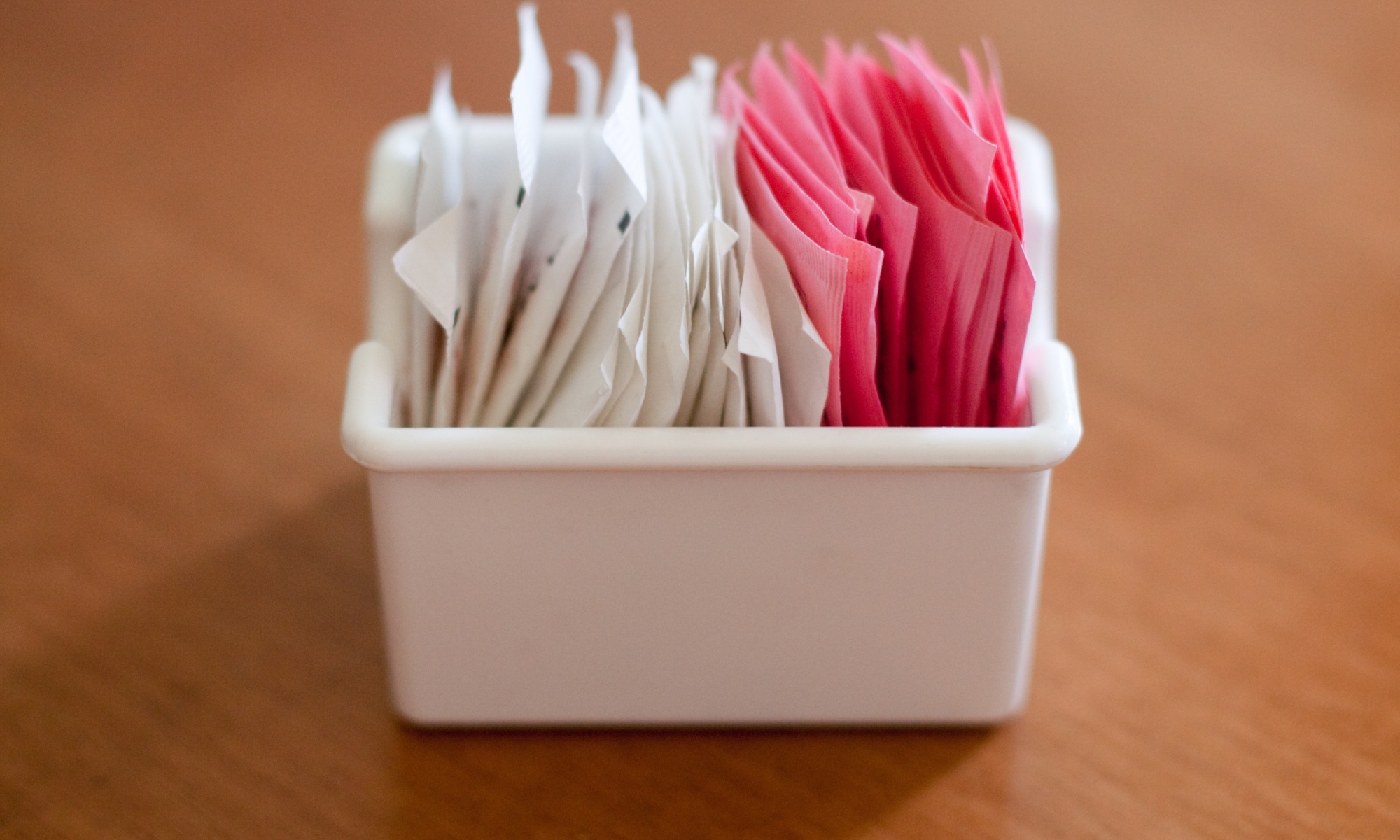
Erythritol has become a go-to sweetener in everything from low-sugar protein bars and drinks to keto-friendly desserts. It provides sweetness with very few calories and little effect on blood sugar, which can make it an appealing alternative to regular sugar.
But erythritol has also been making headlines for a less appealing reason: several studies have raised questions about its potential connection to cardiovascular health.
So, should you stop eating it? The answer isn’t that simple.
What the Latest Research Found
New research covered by Newsweek
That’s certainly something worth paying attention to, but it doesn’t prove that eating erythritol caused those cardiovascular events.
One reason is that erythritol isn’t only something we consume. The body can also produce it naturally, and blood levels may be influenced by underlying metabolic health.
That makes the findings harder to interpret. Higher erythritol levels could potentially be contributing to cardiovascular risk, reflecting health problems that were already present, or some combination of the two.
Why Researchers Are Still Paying Attention
The concern isn’t based on an association alone.
Previous research has raised questions about whether high amounts of erythritol could affect platelet activity and blood clot formation, which gives scientists a plausible reason to keep investigating its potential cardiovascular effects.
But there are still important unanswered questions, including how much dietary erythritol would be needed to create a meaningful risk and whether occasional consumption has the same implications as consuming large amounts regularly.
In other words, there’s enough evidence to keep studying erythritol, but not enough to say that having a protein bar sweetened with it is putting your heart in danger.
So, Should You Avoid Erythritol?
You probably don’t need to clear every erythritol-containing food out of your pantry.
But it’s worth paying attention to how much you’re getting, especially because erythritol can show up in several foods you might eat in the same day. Protein bars, low-carb snacks, sugar-free desserts, drink mixes, and other products can all contain it.
If one of those foods occasionally contains erythritol, that’s very different from relying on multiple erythritol-sweetened products every day.
It’s also a good reminder that “sugar-free” doesn’t automatically mean healthier. When you’re choosing a packaged food, look beyond the sweetener and consider the rest of the nutrition profile, including fiber, protein, saturated fat, sodium, and the overall ingredient list.
And if you have cardiovascular disease or significant heart-health risk factors and consume erythritol regularly, it’s reasonable to talk with your doctor or dietitian about whether it makes sense for you.
The Bottom Line
There’s still a lot we don’t know about erythritol and heart health. The current research raises legitimate questions, but it doesn’t establish that occasionally eating erythritol causes heart attacks or strokes.
For now, moderation makes more sense than panic.
You don’t necessarily need to avoid erythritol altogether. But if sugar substitutes make up a significant part of your daily diet, checking how often you’re consuming them — and varying how you satisfy your sweet tooth — is a reasonable place to start.
What our editors love right now
Be the first to know.
Sign Up Today
https://cleanplates.com/wp-content/plugins/memberpress/js/signup.js
var gform;gform||(document.addEventListener("gform_main_scripts_loaded",function(){gform.scriptsLoaded=!0}),document.addEventListener("gform/theme/scripts_loaded",function(){gform.themeScriptsLoaded=!0}),window.addEventListener("DOMContentLoaded",function(){gform.domLoaded=!0}),gform={domLoaded:!1,scriptsLoaded:!1,themeScriptsLoaded:!1,isFormEditor:()=>"function"==typeof InitializeEditor,callIfLoaded:function(o){return!(!gform.domLoaded||!gform.scriptsLoaded||!gform.themeScriptsLoaded&&!gform.isFormEditor()||(gform.isFormEditor()&&console.warn("The use of gform.initializeOnLoaded() is deprecated in the form editor context and will be removed in Gravity Forms 3.1."),o(),0))},initializeOnLoaded:function(o){gform.callIfLoaded(o)||(document.addEventListener("gform_main_scripts_loaded",()=>{gform.scriptsLoaded=!0,gform.callIfLoaded(o)}),document.addEventListener("gform/theme/scripts_loaded",()=>{gform.themeScriptsLoaded=!0,gform.callIfLoaded(o)}),window.addEventListener("DOMContentLoaded",()=>{gform.domLoaded=!0,gform.callIfLoaded(o)}))},hooks:{action:{},filter:{}},addAction:function(o,r,e,t){gform.addHook("action",o,r,e,t)},addFilter:function(o,r,e,t){gform.addHook("filter",o,r,e,t)},doAction:function(o){gform.doHook("action",o,arguments)},applyFilters:function(o){return gform.doHook("filter",o,arguments)},removeAction:function(o,r){gform.removeHook("action",o,r)},removeFilter:function(o,r,e){gform.removeHook("filter",o,r,e)},addHook:function(o,r,e,t,n){null==gform.hooks[o][r]&&(gform.hooks[o][r]=[]);var d=gform.hooks[o][r];null==n&&(n=r+"_"+d.length),gform.hooks[o][r].push({tag:n,callable:e,priority:t=null==t?10:t})},doHook:function(r,o,e){var t;if(e=Array.prototype.slice.call(e,1),null!=gform.hooks[r][o]&&((o=gform.hooks[r][o]).sort(function(o,r){return o.priority-r.priority}),o.forEach(function(o){"function"!=typeof(t=o.callable)&&(t=window[t]),"action"==r?t.apply(null,e):e[0]=t.apply(null,e)})),"filter"==r)return e[0]},removeHook:function(o,r,t,n){var e;null!=gform.hooks[o][r]&&(e=(e=gform.hooks[o][r]).filter(function(o,r,e){return!!(null!=n&&n!=o.tag||null!=t&&t!=o.priority)}),gform.hooks[o][r]=e)}});
gform.initializeOnLoaded( function() {jQuery('#gform_ajax_frame_495934355').on('load',function(){var contents = jQuery(this).contents().find('*').html();var is_postback = contents.indexOf('GF_AJAX_POSTBACK') >= 0;if(!is_postback){return;}var form_content = jQuery(this).contents().find('#gform_wrapper_495934355');var is_confirmation = jQuery(this).contents().find('#gform_confirmation_wrapper_495934355').length > 0;var is_redirect = contents.indexOf('gformRedirect(){') >= 0;var is_form = form_content.length > 0 && ! is_redirect && ! is_confirmation;var mt = parseInt(jQuery('html').css('margin-top'), 10) + parseInt(jQuery('body').css('margin-top'), 10) + 100;if(is_form){jQuery('#gform_wrapper_495934355').html(form_content.html());if(form_content.hasClass('gform_validation_error')){jQuery('#gform_wrapper_495934355').addClass('gform_validation_error');} else {jQuery('#gform_wrapper_495934355').removeClass('gform_validation_error');}setTimeout( function() { /* delay the scroll by 50 milliseconds to fix a bug in chrome */ jQuery(document).scrollTop(jQuery('#gform_wrapper_495934355').offset().top - mt); }, 50 );var current_page = jQuery('#gform_source_page_number_8').val();jQuery(document).trigger('gform_page_loaded', [495934355, current_page]);window['gf_submitting_495934355'] = false;}else if(!is_redirect){var confirmation_content = jQuery(this).contents().find('.GF_AJAX_POSTBACK').html();if(!confirmation_content){confirmation_content = contents;}jQuery('#gform_wrapper_495934355').replaceWith(confirmation_content);jQuery(document).scrollTop(jQuery('#gf_495934355').offset().top - mt);jQuery(document).trigger('gform_confirmation_loaded', [495934355]);window['gf_submitting_495934355'] = false;wp.a11y.speak(jQuery('#gform_confirmation_message_495934355').text());}else{jQuery('#gform_495934355').append(contents);if(window['gformRedirect']) {gformRedirect();}}jQuery(document).trigger("gform_pre_post_render", [{ formId: "8", currentPage: "current_page", abort: function() { this.preventDefault(); } }]); if (event && event.defaultPrevented) { return; } const gformWrapperDiv = document.getElementById( "gform_wrapper_8" ); if ( gformWrapperDiv ) { const visibilitySpan = document.createElement( "span" ); visibilitySpan.id = "gform_visibility_test_8"; gformWrapperDiv.insertAdjacentElement( "afterend", visibilitySpan ); } const visibilityTestDiv = document.getElementById( "gform_visibility_test_8" ); let postRenderFired = false; function triggerPostRender() { if ( postRenderFired ) { return; } postRenderFired = true; gform.core.triggerPostRenderEvents( 8, current_page ); if ( visibilityTestDiv ) { visibilityTestDiv.parentNode.removeChild( visibilityTestDiv ); } } function debounce( func, wait, immediate ) { var timeout; return function() { var context = this, args = arguments; var later = function() { timeout = null; if ( !immediate ) func.apply( context, args ); }; var callNow = immediate && !timeout; clearTimeout( timeout ); timeout = setTimeout( later, wait ); if ( callNow ) func.apply( context, args ); }; } const debouncedTriggerPostRender = debounce( function() { triggerPostRender(); }, 200 ); if ( visibilityTestDiv && visibilityTestDiv.offsetParent === null ) { const observer = new MutationObserver( ( mutations ) => { mutations.forEach( ( mutation ) => { if ( mutation.type === 'attributes' && visibilityTestDiv.offsetParent !== null ) { debouncedTriggerPostRender(); observer.disconnect(); } }); }); observer.observe( document.body, { attributes: true, childList: false, subtree: true, attributeFilter: [ 'style', 'class' ], }); } else { triggerPostRender(); } } );} );
gform.initializeOnLoaded( function() {jQuery('#gform_ajax_frame_1899604417').on('load',function(){var contents = jQuery(this).contents().find('*').html();var is_postback = contents.indexOf('GF_AJAX_POSTBACK') >= 0;if(!is_postback){return;}var form_content = jQuery(this).contents().find('#gform_wrapper_1899604417');var is_confirmation = jQuery(this).contents().find('#gform_confirmation_wrapper_1899604417').length > 0;var is_redirect = contents.indexOf('gformRedirect(){') >= 0;var is_form = form_content.length > 0 && ! is_redirect && ! is_confirmation;var mt = parseInt(jQuery('html').css('margin-top'), 10) + parseInt(jQuery('body').css('margin-top'), 10) + 100;if(is_form){jQuery('#gform_wrapper_1899604417').html(form_content.html());if(form_content.hasClass('gform_validation_error')){jQuery('#gform_wrapper_1899604417').addClass('gform_validation_error');} else {jQuery('#gform_wrapper_1899604417').removeClass('gform_validation_error');}setTimeout( function() { /* delay the scroll by 50 milliseconds to fix a bug in chrome */ jQuery(document).scrollTop(jQuery('#gform_wrapper_1899604417').offset().top - mt); }, 50 );var current_page = jQuery('#gform_source_page_number_8').val();jQuery(document).trigger('gform_page_loaded', [1899604417, current_page]);window['gf_submitting_1899604417'] = false;}else if(!is_redirect){var confirmation_content = jQuery(this).contents().find('.GF_AJAX_POSTBACK').html();if(!confirmation_content){confirmation_content = contents;}jQuery('#gform_wrapper_1899604417').replaceWith(confirmation_content);jQuery(document).scrollTop(jQuery('#gf_1899604417').offset().top - mt);jQuery(document).trigger('gform_confirmation_loaded', [1899604417]);window['gf_submitting_1899604417'] = false;wp.a11y.speak(jQuery('#gform_confirmation_message_1899604417').text());}else{jQuery('#gform_1899604417').append(contents);if(window['gformRedirect']) {gformRedirect();}}jQuery(document).trigger("gform_pre_post_render", [{ formId: "8", currentPage: "current_page", abort: function() { this.preventDefault(); } }]); if (event && event.defaultPrevented) { return; } const gformWrapperDiv = document.getElementById( "gform_wrapper_8" ); if ( gformWrapperDiv ) { const visibilitySpan = document.createElement( "span" ); visibilitySpan.id = "gform_visibility_test_8"; gformWrapperDiv.insertAdjacentElement( "afterend", visibilitySpan ); } const visibilityTestDiv = document.getElementById( "gform_visibility_test_8" ); let postRenderFired = false; function triggerPostRender() { if ( postRenderFired ) { return; } postRenderFired = true; gform.core.triggerPostRenderEvents( 8, current_page ); if ( visibilityTestDiv ) { visibilityTestDiv.parentNode.removeChild( visibilityTestDiv ); } } function debounce( func, wait, immediate ) { var timeout; return function() { var context = this, args = arguments; var later = function() { timeout = null; if ( !immediate ) func.apply( context, args ); }; var callNow = immediate && !timeout; clearTimeout( timeout ); timeout = setTimeout( later, wait ); if ( callNow ) func.apply( context, args ); }; } const debouncedTriggerPostRender = debounce( function() { triggerPostRender(); }, 200 ); if ( visibilityTestDiv && visibilityTestDiv.offsetParent === null ) { const observer = new MutationObserver( ( mutations ) => { mutations.forEach( ( mutation ) => { if ( mutation.type === 'attributes' && visibilityTestDiv.offsetParent !== null ) { debouncedTriggerPostRender(); observer.disconnect(); } }); }); observer.observe( document.body, { attributes: true, childList: false, subtree: true, attributeFilter: [ 'style', 'class' ], }); } else { triggerPostRender(); } } );} );
document.addEventListener('DOMContentLoaded', () => {
document
.querySelectorAll('.affiliate a')
.forEach(link => link.classList.add('affiliate-link'));
});
(function(d,u,ac){var s=d.createElement('script');s.type='text/javascript';s.src='https://a.omappapi.com/app/js/api.min.js';s.async=true;s.dataset.user=u;s.dataset.campaign=ac;d.getElementsByTagName('head')[0].appendChild(s);})(document,163062,'jmzkr8och7yi5haazfag');
var jmzkr8och7yi5haazfag_shortcode = true;
https://cleanplates.com/wp-content/plugins/memberpress/js/blocks/pro-profile-menu/frontend.js
https://cleanplates.com/wp-content/plugins/bb-plugin/js/libs/jquery.imagesloaded.min.js
https://cleanplates.com/wp-content/plugins/bb-plugin/js/libs/jquery.ba-throttle-debounce.min.js
https://cleanplates.com/wp-content/themes/bb-theme-child/js/footer.min.js
https://cleanplates.com/wp-content/plugins/page-links-to/dist/new-tab.js
(function(d){var s=d.createElement("script");s.type="text/javascript";s.src="https://a.omappapi.com/app/js/api.min.js";s.async=true;s.id="omapi-script";d.getElementsByTagName("head")[0].appendChild(s);})(document);
https://cleanplates.com/wp-content/plugins/bb-plugin/js/libs/jquery.magnificpopup.min.js
https://cleanplates.com/wp-content/plugins/bb-plugin/js/libs/jquery.fitvids.min.js
var themeopts = {"medium_breakpoint":"990","mobile_breakpoint":"641","lightbox":"enabled","scrollTopPosition":"800"};
https://cleanplates.com/wp-content/themes/bb-theme/js/theme.min.js
https://cleanplates.com/wp-includes/js/dist/vendor/react.min.js
https://cleanplates.com/wp-includes/js/dist/vendor/react-dom.min.js
https://cleanplates.com/wp-includes/js/dist/escape-html.min.js
https://cleanplates.com/wp-includes/js/dist/element.min.js
https://cleanplates.com/wp-includes/js/dist/dom-ready.min.js
https://cleanplates.com/wp-includes/js/dist/a11y.min.js
https://cleanplates.com/wp-content/plugins/gravityforms/js/jquery.json.min.js
var gform_i18n = {"datepicker":{"wdOffset":1,"helpTextShort":"Press F1 for help","helpText":"Press the arrow keys to navigate by day, PageUp and PageDown to navigate by month, Alt+PageUp and Alt+PageDown to navigate by year, or Escape to cancel.","openOnFocusHelpText":"Press Down arrow to browse the calendar, or Escape to close.","tooltipTxt":"Press Escape to cancel","disabledTxt":"Disabled","markedTxt":"Selected","prevTxt":"Previous","nextTxt":"Next","monthTxt":"Month","yearTxt":"Year","months":["January","February","March","April","May","June","July","August","September","October","November","December"],"days":[{"s":"S","l":"Sunday"},{"s":"M","l":"Monday"},{"s":"T","l":"Tuesday"},{"s":"W","l":"Wednesday"},{"s":"T","l":"Thursday"},{"s":"F","l":"Friday"},{"s":"S","l":"Saturday"}]}};
var gf_legacy_multi = [];
var gform_gravityforms = {"strings":{"invalid_file_extension":"This type of file is not allowed. Must be one of the following:","file_uploaded":"File uploaded","delete_file":"Delete this file","in_progress":"in progress","file_exceeds_limit":"File exceeds size limit","illegal_extension":"This type of file is not allowed.","max_reached":"Maximum number of files reached","unknown_error":"There was a problem while saving the file on the server","currently_uploading":"Please wait for the uploading to complete","cancel":"Cancel","cancel_upload":"Cancel this upload","cancelled":"Cancelled","error":"Error","message":"Message"},"vars":{"images_url":"https:\/\/cleanplates.com\/wp-content\/plugins\/gravityforms\/images"}};
var gf_global = {"gf_currency_config":{"name":"U.S. Dollar","symbol_left":"$","symbol_right":"","symbol_padding":"","thousand_separator":",","decimal_separator":".","decimals":2,"code":"USD"},"base_url":"https:\/\/cleanplates.com\/wp-content\/plugins\/gravityforms","number_formats":[],"version_hash":"c8a36869cd137b74e48c19d72fa47311","countries":{"AF":"Afghanistan","AX":"\u00c5land Islands","AL":"Albania","DZ":"Algeria","AS":"American Samoa","AD":"Andorra","AO":"Angola","AI":"Anguilla","AQ":"Antarctica","AG":"Antigua and Barbuda","AR":"Argentina","AM":"Armenia","AW":"Aruba","AU":"Australia","AT":"Austria","AZ":"Azerbaijan","BS":"Bahamas","BH":"Bahrain","BD":"Bangladesh","BB":"Barbados","BY":"Belarus","BE":"Belgium","BZ":"Belize","BJ":"Benin","BM":"Bermuda","BT":"Bhutan","BO":"Bolivia","BQ":"Bonaire, Sint Eustatius and Saba","BA":"Bosnia and Herzegovina","BW":"Botswana","BV":"Bouvet Island","BR":"Brazil","IO":"British Indian Ocean Territory","BN":"Brunei Darussalam","BG":"Bulgaria","BF":"Burkina Faso","BI":"Burundi","CV":"Cabo Verde","KH":"Cambodia","CM":"Cameroon","CA":"Canada","KY":"Cayman Islands","CF":"Central African Republic","TD":"Chad","CL":"Chile","CN":"China","CX":"Christmas Island","CC":"Cocos Islands","CO":"Colombia","KM":"Comoros","CD":"Congo, Democratic Republic of the","CG":"Congo","CK":"Cook Islands","CR":"Costa Rica","CI":"C\u00f4te d'Ivoire","HR":"Croatia","CU":"Cuba","CW":"Cura\u00e7ao","CY":"Cyprus","CZ":"Czechia","DK":"Denmark","DJ":"Djibouti","DM":"Dominica","DO":"Dominican Republic","EC":"Ecuador","EG":"Egypt","SV":"El Salvador","GQ":"Equatorial Guinea","ER":"Eritrea","EE":"Estonia","SZ":"Eswatini","ET":"Ethiopia","FK":"Falkland Islands","FO":"Faroe Islands","FJ":"Fiji","FI":"Finland","FR":"France","GF":"French Guiana","PF":"French Polynesia","TF":"French Southern Territories","GA":"Gabon","GM":"Gambia","GE":"Georgia","DE":"Germany","GH":"Ghana","GI":"Gibraltar","GR":"Greece","GL":"Greenland","GD":"Grenada","GP":"Guadeloupe","GU":"Guam","GT":"Guatemala","GG":"Guernsey","GN":"Guinea","GW":"Guinea-Bissau","GY":"Guyana","HT":"Haiti","HM":"Heard Island and McDonald Islands","VA":"Holy See","HN":"Honduras","HK":"Hong Kong","HU":"Hungary","IS":"Iceland","IN":"India","ID":"Indonesia","IR":"Iran","IQ":"Iraq","IE":"Ireland","IM":"Isle of Man","IL":"Israel","IT":"Italy","JM":"Jamaica","JP":"Japan","JE":"Jersey","JO":"Jordan","KZ":"Kazakhstan","KE":"Kenya","KI":"Kiribati","KP":"Korea, Democratic People's Republic of","KR":"Korea, Republic of","KW":"Kuwait","KG":"Kyrgyzstan","LA":"Lao People's Democratic Republic","LV":"Latvia","LB":"Lebanon","LS":"Lesotho","LR":"Liberia","LY":"Libya","LI":"Liechtenstein","LT":"Lithuania","LU":"Luxembourg","MO":"Macao","MG":"Madagascar","MW":"Malawi","MY":"Malaysia","MV":"Maldives","ML":"Mali","MT":"Malta","MH":"Marshall Islands","MQ":"Martinique","MR":"Mauritania","MU":"Mauritius","YT":"Mayotte","MX":"Mexico","FM":"Micronesia","MD":"Moldova","MC":"Monaco","MN":"Mongolia","ME":"Montenegro","MS":"Montserrat","MA":"Morocco","MZ":"Mozambique","MM":"Myanmar","NA":"Namibia","NR":"Nauru","NP":"Nepal","NL":"Netherlands","NC":"New Caledonia","NZ":"New Zealand","NI":"Nicaragua","NE":"Niger","NG":"Nigeria","NU":"Niue","NF":"Norfolk Island","MK":"North Macedonia","MP":"Northern Mariana Islands","NO":"Norway","OM":"Oman","PK":"Pakistan","PW":"Palau","PS":"Palestine, State of","PA":"Panama","PG":"Papua New Guinea","PY":"Paraguay","PE":"Peru","PH":"Philippines","PN":"Pitcairn","PL":"Poland","PT":"Portugal","PR":"Puerto Rico","QA":"Qatar","RE":"R\u00e9union","RO":"Romania","RU":"Russian Federation","RW":"Rwanda","BL":"Saint Barth\u00e9lemy","SH":"Saint Helena, Ascension and Tristan da Cunha","KN":"Saint Kitts and Nevis","LC":"Saint Lucia","MF":"Saint Martin","PM":"Saint Pierre and Miquelon","VC":"Saint Vincent and the Grenadines","WS":"Samoa","SM":"San Marino","ST":"Sao Tome and Principe","SA":"Saudi Arabia","SN":"Senegal","RS":"Serbia","SC":"Seychelles","SL":"Sierra Leone","SG":"Singapore","SX":"Sint Maarten","SK":"Slovakia","SI":"Slovenia","SB":"Solomon Islands","SO":"Somalia","ZA":"South Africa","GS":"South Georgia and the South Sandwich Islands","SS":"South Sudan","ES":"Spain","LK":"Sri Lanka","SD":"Sudan","SR":"Suriname","SJ":"Svalbard and Jan Mayen","SE":"Sweden","CH":"Switzerland","SY":"Syria Arab Republic","TW":"Taiwan","TJ":"Tajikistan","TZ":"Tanzania, the United Republic of","TH":"Thailand","TL":"Timor-Leste","TG":"Togo","TK":"Tokelau","TO":"Tonga","TT":"Trinidad and Tobago","TN":"Tunisia","TR":"T\u00fcrkiye","TM":"Turkmenistan","TC":"Turks and Caicos Islands","TV":"Tuvalu","UG":"Uganda","UA":"Ukraine","AE":"United Arab Emirates","GB":"United Kingdom","US":"United States","UY":"Uruguay","UM":"US Minor Outlying Islands","UZ":"Uzbekistan","VU":"Vanuatu","VE":"Venezuela","VN":"Viet Nam","VG":"Virgin Islands, British","VI":"Virgin Islands, U.S.","WF":"Wallis and Futuna","EH":"Western Sahara","YE":"Yemen","ZM":"Zambia","ZW":"Zimbabwe"},"strings":{"newRowAdded":"New row added.","rowRemoved":"Row removed","formSaved":"The form has been saved. The content contains the link to return and complete the form."}};
var gf_global = {"gf_currency_config":{"name":"U.S. Dollar","symbol_left":"$","symbol_right":"","symbol_padding":"","thousand_separator":",","decimal_separator":".","decimals":2,"code":"USD"},"base_url":"https:\/\/cleanplates.com\/wp-content\/plugins\/gravityforms","number_formats":[],"version_hash":"c8a36869cd137b74e48c19d72fa47311","countries":{"AF":"Afghanistan","AX":"\u00c5land Islands","AL":"Albania","DZ":"Algeria","AS":"American Samoa","AD":"Andorra","AO":"Angola","AI":"Anguilla","AQ":"Antarctica","AG":"Antigua and Barbuda","AR":"Argentina","AM":"Armenia","AW":"Aruba","AU":"Australia","AT":"Austria","AZ":"Azerbaijan","BS":"Bahamas","BH":"Bahrain","BD":"Bangladesh","BB":"Barbados","BY":"Belarus","BE":"Belgium","BZ":"Belize","BJ":"Benin","BM":"Bermuda","BT":"Bhutan","BO":"Bolivia","BQ":"Bonaire, Sint Eustatius and Saba","BA":"Bosnia and Herzegovina","BW":"Botswana","BV":"Bouvet Island","BR":"Brazil","IO":"British Indian Ocean Territory","BN":"Brunei Darussalam","BG":"Bulgaria","BF":"Burkina Faso","BI":"Burundi","CV":"Cabo Verde","KH":"Cambodia","CM":"Cameroon","CA":"Canada","KY":"Cayman Islands","CF":"Central African Republic","TD":"Chad","CL":"Chile","CN":"China","CX":"Christmas Island","CC":"Cocos Islands","CO":"Colombia","KM":"Comoros","CD":"Congo, Democratic Republic of the","CG":"Congo","CK":"Cook Islands","CR":"Costa Rica","CI":"C\u00f4te d'Ivoire","HR":"Croatia","CU":"Cuba","CW":"Cura\u00e7ao","CY":"Cyprus","CZ":"Czechia","DK":"Denmark","DJ":"Djibouti","DM":"Dominica","DO":"Dominican Republic","EC":"Ecuador","EG":"Egypt","SV":"El Salvador","GQ":"Equatorial Guinea","ER":"Eritrea","EE":"Estonia","SZ":"Eswatini","ET":"Ethiopia","FK":"Falkland Islands","FO":"Faroe Islands","FJ":"Fiji","FI":"Finland","FR":"France","GF":"French Guiana","PF":"French Polynesia","TF":"French Southern Territories","GA":"Gabon","GM":"Gambia","GE":"Georgia","DE":"Germany","GH":"Ghana","GI":"Gibraltar","GR":"Greece","GL":"Greenland","GD":"Grenada","GP":"Guadeloupe","GU":"Guam","GT":"Guatemala","GG":"Guernsey","GN":"Guinea","GW":"Guinea-Bissau","GY":"Guyana","HT":"Haiti","HM":"Heard Island and McDonald Islands","VA":"Holy See","HN":"Honduras","HK":"Hong Kong","HU":"Hungary","IS":"Iceland","IN":"India","ID":"Indonesia","IR":"Iran","IQ":"Iraq","IE":"Ireland","IM":"Isle of Man","IL":"Israel","IT":"Italy","JM":"Jamaica","JP":"Japan","JE":"Jersey","JO":"Jordan","KZ":"Kazakhstan","KE":"Kenya","KI":"Kiribati","KP":"Korea, Democratic People's Republic of","KR":"Korea, Republic of","KW":"Kuwait","KG":"Kyrgyzstan","LA":"Lao People's Democratic Republic","LV":"Latvia","LB":"Lebanon","LS":"Lesotho","LR":"Liberia","LY":"Libya","LI":"Liechtenstein","LT":"Lithuania","LU":"Luxembourg","MO":"Macao","MG":"Madagascar","MW":"Malawi","MY":"Malaysia","MV":"Maldives","ML":"Mali","MT":"Malta","MH":"Marshall Islands","MQ":"Martinique","MR":"Mauritania","MU":"Mauritius","YT":"Mayotte","MX":"Mexico","FM":"Micronesia","MD":"Moldova","MC":"Monaco","MN":"Mongolia","ME":"Montenegro","MS":"Montserrat","MA":"Morocco","MZ":"Mozambique","MM":"Myanmar","NA":"Namibia","NR":"Nauru","NP":"Nepal","NL":"Netherlands","NC":"New Caledonia","NZ":"New Zealand","NI":"Nicaragua","NE":"Niger","NG":"Nigeria","NU":"Niue","NF":"Norfolk Island","MK":"North Macedonia","MP":"Northern Mariana Islands","NO":"Norway","OM":"Oman","PK":"Pakistan","PW":"Palau","PS":"Palestine, State of","PA":"Panama","PG":"Papua New Guinea","PY":"Paraguay","PE":"Peru","PH":"Philippines","PN":"Pitcairn","PL":"Poland","PT":"Portugal","PR":"Puerto Rico","QA":"Qatar","RE":"R\u00e9union","RO":"Romania","RU":"Russian Federation","RW":"Rwanda","BL":"Saint Barth\u00e9lemy","SH":"Saint Helena, Ascension and Tristan da Cunha","KN":"Saint Kitts and Nevis","LC":"Saint Lucia","MF":"Saint Martin","PM":"Saint Pierre and Miquelon","VC":"Saint Vincent and the Grenadines","WS":"Samoa","SM":"San Marino","ST":"Sao Tome and Principe","SA":"Saudi Arabia","SN":"Senegal","RS":"Serbia","SC":"Seychelles","SL":"Sierra Leone","SG":"Singapore","SX":"Sint Maarten","SK":"Slovakia","SI":"Slovenia","SB":"Solomon Islands","SO":"Somalia","ZA":"South Africa","GS":"South Georgia and the South Sandwich Islands","SS":"South Sudan","ES":"Spain","LK":"Sri Lanka","SD":"Sudan","SR":"Suriname","SJ":"Svalbard and Jan Mayen","SE":"Sweden","CH":"Switzerland","SY":"Syria Arab Republic","TW":"Taiwan","TJ":"Tajikistan","TZ":"Tanzania, the United Republic of","TH":"Thailand","TL":"Timor-Leste","TG":"Togo","TK":"Tokelau","TO":"Tonga","TT":"Trinidad and Tobago","TN":"Tunisia","TR":"T\u00fcrkiye","TM":"Turkmenistan","TC":"Turks and Caicos Islands","TV":"Tuvalu","UG":"Uganda","UA":"Ukraine","AE":"United Arab Emirates","GB":"United Kingdom","US":"United States","UY":"Uruguay","UM":"US Minor Outlying Islands","UZ":"Uzbekistan","VU":"Vanuatu","VE":"Venezuela","VN":"Viet Nam","VG":"Virgin Islands, British","VI":"Virgin Islands, U.S.","WF":"Wallis and Futuna","EH":"Western Sahara","YE":"Yemen","ZM":"Zambia","ZW":"Zimbabwe"},"strings":{"newRowAdded":"New row added.","rowRemoved":"Row removed","formSaved":"The form has been saved. The content contains the link to return and complete the form."}};
https://cleanplates.com/wp-content/plugins/gravityforms/js/gravityforms.min.js
https://cleanplates.com/wp-content/plugins/gravityforms/assets/js/dist/utils.min.js
https://cleanplates.com/wp-content/plugins/gravityforms/assets/js/dist/vendor-theme.min.js
var gform_theme_config = {"common":{"form":{"honeypot":{"version_hash":"c8a36869cd137b74e48c19d72fa47311"},"ajax":{"ajaxurl":"https:\/\/cleanplates.com\/wp-admin\/admin-ajax.php","ajax_submission_nonce":"c2983c9559","i18n":{"step_announcement":"Step %1$s of %2$s, %3$s","unknown_error":"There was an unknown error processing your request. Please try again.","error_403":"The request was blocked (403 error) for unknown security reasons. Remove any code-like text (scripts or DB queries) and try again."}}}},"hmr_dev":"","public_path":"https:\/\/cleanplates.com\/wp-content\/plugins\/gravityforms\/assets\/js\/dist\/","config_nonce":"cadf883697"};
https://cleanplates.com/wp-content/plugins/gravityforms/assets/js/dist/scripts-theme.min.js
var gfZeroSpamConfig = {"forms":[{"ajaxUrl":"https:\/\/cleanplates.com\/wp-admin\/admin-ajax.php","fallbackToken":"OHwxNzkyMTgyMTYxfDE3OTI3ODY5NjF8OWI4MGM5NmEzZWI5YmE1ZmM2MjRhNWJiYjFlOGE4YTN8MQ.ZDM1OTVmN2Y5Y2JmM2FmNWE4NWRlNDU4MDUyOWM1ODg4NDlkYWRkYTk5MDlhNzE0ZjUyZGZkZGZiOTI0Y2NkNw","formId":8,"timeout":3000}],"debug":false};
https://cleanplates.com/wp-content/plugins/gravity-forms-zero-spam/dist/js/gf-zero-spam.js
https://cleanplates.com/wp-content/plugins/optinmonster/assets/dist/js/helper.min.js
jQuery('.soliloquy-container').removeClass('no-js');
gform.initializeOnLoaded( function() { jQuery(document).on('gform_post_render', function(event, formId, currentPage){if(formId == 8) {if(typeof Placeholders != 'undefined'){
Placeholders.enable();
}} } );jQuery(document).on('gform_post_conditional_logic', function(event, formId, fields, isInit){} ) } );
gform.initializeOnLoaded( function() {jQuery(document).trigger("gform_pre_post_render", [{ formId: "8", currentPage: "1", abort: function() { this.preventDefault(); } }]); if (event && event.defaultPrevented) { return; } const gformWrapperDiv = document.getElementById( "gform_wrapper_8" ); if ( gformWrapperDiv ) { const visibilitySpan = document.createElement( "span" ); visibilitySpan.id = "gform_visibility_test_8"; gformWrapperDiv.insertAdjacentElement( "afterend", visibilitySpan ); } const visibilityTestDiv = document.getElementById( "gform_visibility_test_8" ); let postRenderFired = false; function triggerPostRender() { if ( postRenderFired ) { return; } postRenderFired = true; gform.core.triggerPostRenderEvents( 8, 1 ); if ( visibilityTestDiv ) { visibilityTestDiv.parentNode.removeChild( visibilityTestDiv ); } } function debounce( func, wait, immediate ) { var timeout; return function() { var context = this, args = arguments; var later = function() { timeout = null; if ( !immediate ) func.apply( context, args ); }; var callNow = immediate && !timeout; clearTimeout( timeout ); timeout = setTimeout( later, wait ); if ( callNow ) func.apply( context, args ); }; } const debouncedTriggerPostRender = debounce( function() { triggerPostRender(); }, 200 ); if ( visibilityTestDiv && visibilityTestDiv.offsetParent === null ) { const observer = new MutationObserver( ( mutations ) => { mutations.forEach( ( mutation ) => { if ( mutation.type === 'attributes' && visibilityTestDiv.offsetParent !== null ) { debouncedTriggerPostRender(); observer.disconnect(); } }); }); observer.observe( document.body, { attributes: true, childList: false, subtree: true, attributeFilter: [ 'style', 'class' ], }); } else { triggerPostRender(); } } );
var omapi_localized = {
ajax: 'https://cleanplates.com/wp-admin/admin-ajax.php?optin-monster-ajax-route=1',
nonce: 'f58b76f4b7',
slugs:
{"jmzkr8och7yi5haazfag":{"slug":"jmzkr8och7yi5haazfag","mailpoet":false}} };
var omapi_data = {"object_id":61818,"object_key":"post","object_type":"post","term_ids":[3178],"wp_json":"https:\/\/cleanplates.com\/wp-json","wc_active":false,"edd_active":false,"nonce":"01ad834832"};
var wpAjaxUrl='https://cleanplates.com/wp-admin/admin-ajax.php';var flBuilderUrl='https://cleanplates.com/wp-content/plugins/bb-plugin/';var FLBuilderLayoutConfig={anchorLinkAnimations:{duration:1000,easing:'swing',offset:100},paths:{pluginUrl:'https://cleanplates.com/wp-content/plugins/bb-plugin/',wpAjaxUrl:'https://cleanplates.com/wp-admin/admin-ajax.php'},breakpoints:{small:641,medium:961,large:1200},waypoint:{offset:80},emptyColWidth:'0%',i18n:{opensInNewTab:'(opens in new tab)'}};(function($){if(typeof FLBuilderLayout!='undefined'){return;}
FLBuilderLayout={init:function(){FLBuilderLayout._destroy();FLBuilderLayout._initClasses();FLBuilderLayout._initBackgrounds();FLBuilderLayout._initButtons();FLBuilderLayout._initRowShapeLayerHeight();FLBuilderLayout._initLinkNotices();if(0===$('.fl-builder-edit').length){FLBuilderLayout._initAnchorLinks();FLBuilderLayout._initHash();FLBuilderLayout._initForms();FLBuilderLayout._reorderMenu();}
else{FLBuilderLayout._initNestedColsWidth();}
$('body').removeClass('fl-no-js');},refreshGalleries:function(element){var $element='undefined'==typeof element?$('body'):$(element),mfContent=$element.find('.fl-mosaicflow-content'),wmContent=$element.find('.fl-gallery'),mfObject=null;if(mfContent){mfObject=mfContent.data('mosaicflow');if(mfObject){mfObject.columns=$([]);mfObject.columnsHeights=[];mfContent.data('mosaicflow',mfObject);mfContent.mosaicflow('refill');}}
if(wmContent){wmContent.trigger('refreshWookmark');}},refreshGridLayout:function(element){var $element='undefined'==typeof element?$('body'):$(element),msnryContent=$element.find('.masonry');if(msnryContent.length){msnryContent.masonry('layout');}},reloadSlider:function(content){var $content='undefined'==typeof content?$('body'):$(content);if($content.find('.bx-viewport > div').length>0){$.each($content.find('.bx-viewport > div'),function(key,slider){setTimeout(function(){$(slider).data('bxSlider').reloadSlider();},100);});}},resizeAudio:function(element){var $element='undefined'==typeof element?$('body'):$(element),audioPlayers=$element.find('.wp-audio-shortcode.mejs-audio'),player=null,mejsPlayer=null,rail=null,railWidth=400;if(audioPlayers.length&&typeof mejs!=='undefined'){audioPlayers.each(function(){player=$(this);mejsPlayer=mejs.players[player.attr('id')];rail=player.find('.mejs-controls .mejs-time-rail');var innerMejs=player.find('.mejs-inner'),total=player.find('.mejs-controls .mejs-time-total');if(typeof mejsPlayer!=='undefined'){railWidth=Math.ceil(player.width()*0.8);if(innerMejs.length){rail.css('width',railWidth+'px!important');mejsPlayer.options.autosizeProgress=true;setTimeout(function(){mejsPlayer.setControlsSize();},50);player.find('.mejs-inner').css({visibility:'visible',height:'inherit'});}}});}},preloadAudio:function(element){var $element='undefined'==typeof element?$('body'):$(element),contentWrap=$element.closest('.fl-accordion-item'),audioPlayers=$element.find('.wp-audio-shortcode.mejs-audio');if(!contentWrap.hasClass('fl-accordion-item-active')&&audioPlayers.find('.mejs-inner').length){audioPlayers.find('.mejs-inner').css({visibility:'hidden',height:0});}},resizeSlideshow:function(){if(typeof YUI!=='undefined'){YUI().use('node-event-simulate',function(Y){Y.one(window).simulate("resize");});}},reloadGoogleMap:function(element){var $element='undefined'==typeof element?$('body'):$(element),googleMap=$element.find('iframe[src*="google.com/maps"]');if(googleMap.length){googleMap.attr('src',function(i,val){return val;});}},_destroy:function(){var win=$(window);win.off('scroll.fl-bg-parallax');win.off('resize.fl-bg-video');},_isTouch:function(){if(('ontouchstart'in window)||(window.DocumentTouch&&document instanceof DocumentTouch)){return true;}
return false;},_isMobile:function(){return/Mobile|Android|Silk\/|Kindle|BlackBerry|Opera Mini|Opera Mobi|webOS/i.test(navigator.userAgent);},_initClasses:function(){var body=$('body'),ua=navigator.userAgent;if(!body.hasClass('fl-builder-blocks-only')&&!body.hasClass('archive')&&$('.fl-builder-content-primary').length>0){body.addClass('fl-builder');}
if(FLBuilderLayout._isTouch()){body.addClass('fl-builder-touch');}
if(FLBuilderLayout._isMobile()){body.addClass('fl-builder-mobile');}
if($(window).width()<FLBuilderLayoutConfig.breakpoints.small){body.addClass('fl-builder-breakpoint-small');}
if($(window).width()>FLBuilderLayoutConfig.breakpoints.small&&$(window).width()<FLBuilderLayoutConfig.breakpoints.medium){body.addClass('fl-builder-breakpoint-medium');}
if($(window).width()>FLBuilderLayoutConfig.breakpoints.medium&&$(window).width()<FLBuilderLayoutConfig.breakpoints.large){body.addClass('fl-builder-breakpoint-large');}
if($(window).width()>FLBuilderLayoutConfig.breakpoints.large){body.addClass('fl-builder-breakpoint-default');}
if(ua.indexOf('Trident/7.0')>-1&&ua.indexOf('rv:11.0')>-1){body.addClass('fl-builder-ie-11');}},_initBackgrounds:function(){var win=$(window);if($('.fl-row-bg-parallax').length>0&&!FLBuilderLayout._isMobile()){FLBuilderLayout._scrollParallaxBackgrounds();FLBuilderLayout._initParallaxBackgrounds();win.on('resize.fl-bg-parallax',FLBuilderLayout._initParallaxBackgrounds);win.on('scroll.fl-bg-parallax',FLBuilderLayout._scrollParallaxBackgrounds);}
if($('.fl-bg-video').length>0){FLBuilderLayout._initBgVideos();FLBuilderLayout._resizeBgVideos();var resizeBGTimer=null;win.on('resize.fl-bg-video',function(e){clearTimeout(resizeBGTimer);resizeBGTimer=setTimeout(function(){FLBuilderLayout._resizeBgVideos(e);},100);});}},_initButtons:function(){$('a.fl-button[role="button"]').on('keydown',function(event){if(event.key==='Enter'||event.key===' '){event.preventDefault();$(this).trigger('click');}});},_initParallaxBackgrounds:function(){$('.fl-row-bg-parallax').each(FLBuilderLayout._initParallaxBackground);},_initParallaxBackground:function(){var row=$(this),content=row.find('> .fl-row-content-wrap'),winWidth=$(window).width(),screenSize='',imageSrc={default:'',medium:'',responsive:'',};imageSrc.default=row.data('parallax-image')||'';imageSrc.medium=row.data('parallax-image-medium')||imageSrc.default;imageSrc.responsive=row.data('parallax-image-responsive')||imageSrc.medium;if(winWidth>FLBuilderLayoutConfig.breakpoints.medium){screenSize='default';}else if(winWidth>FLBuilderLayoutConfig.breakpoints.small&&winWidth<=FLBuilderLayoutConfig.breakpoints.medium){screenSize='medium';}else if(winWidth<=FLBuilderLayoutConfig.breakpoints.small){screenSize='responsive';}
content.css('background-image','url('+imageSrc[screenSize]+')');row.data('current-image-loaded',screenSize);},_scrollParallaxBackgrounds:function(){$('.fl-row-bg-parallax').each(FLBuilderLayout._scrollParallaxBackground);},_scrollParallaxBackground:function(){var win=$(window),row=$(this),content=row.find('> .fl-row-content-wrap'),speed=row.data('parallax-speed'),offset=content.offset(),yPos=-((win.scrollTop()-offset.top)/ speed),initialOffset=(row.data('parallax-offset')!=null)?row.data('parallax-offset'):0,totalOffset=yPos-initialOffset;content.css('background-position','center '+totalOffset+'px');},_initBgVideos:function(){$('.fl-bg-video').each(FLBuilderLayout._initBgVideo);},_initBgVideo:function(){var wrap=$(this),width=wrap.data('width'),height=wrap.data('height'),mp4=wrap.data('mp4'),youtube=wrap.data('youtube'),vimeo=wrap.data('vimeo'),mp4Type=wrap.data('mp4-type'),webm=wrap.data('webm'),webmType=wrap.data('webm-type'),fallback=wrap.data('fallback'),loaded=wrap.data('loaded'),videoMobile=wrap.data('video-mobile'),playPauseButton=wrap.find('.fl-bg-video-play-pause-control'),fallbackTag='',videoTag=null,mp4Tag=null,webmTag=null;if(loaded){return;}
videoTag=$('<video autoplay loop muted playsinline></video>');if('undefined'!=typeof fallback&&''!=fallback){videoTag.attr('poster','data:image/gif;base64,R0lGODlhAQABAIAAAAAAAP///yH5BAEAAAAALAAAAAABAAEAAAIBRAA7')
videoTag.css({backgroundImage:'url("'+fallback+'")',backgroundColor:'transparent',backgroundRepeat:'no-repeat',backgroundSize:'cover',backgroundPosition:'center center',})}
if('undefined'!=typeof mp4&&''!=mp4){mp4Tag=$('<source />');mp4Tag.attr('src',mp4);mp4Tag.attr('type',mp4Type);videoTag.append(mp4Tag);}
if('undefined'!=typeof webm&&''!=webm){webmTag=$('<source />');webmTag.attr('src',webm);webmTag.attr('type',webmType);videoTag.append(webmTag);}
if(!FLBuilderLayout._isMobile()||(FLBuilderLayout._isMobile()&&"yes"==videoMobile)){if('undefined'!=typeof youtube){FLBuilderLayout._initYoutubeBgVideo.apply(this);}
else if('undefined'!=typeof vimeo){FLBuilderLayout._initVimeoBgVideo.apply(this);}
else{wrap.append(videoTag);if(playPauseButton.length>0){var video=videoTag[0];playPauseButton.on('click',{video:video},function(e){var video=e.data.video;if(video.paused){video.play();}else{video.pause();}});$(video).on('play playing',function(){playPauseButton.removeClass('fa-play').addClass('fa-pause');});$(video).on('pause ended waiting',function(){playPauseButton.removeClass('fa-pause').addClass('fa-play');});}}}
else{videoTag.attr('src','')
wrap.append(videoTag);}
wrap.data('loaded',true);},_initYoutubeBgVideo:function(){var playerWrap=$(this),videoId=playerWrap.data('video-id'),videoPlayer=playerWrap.find('.fl-bg-video-player'),enableAudio=playerWrap.data('enable-audio'),audioButton=playerWrap.find('.fl-bg-video-audio'),playPauseButton=playerWrap.find('.fl-bg-video-play-pause-control'),startTime='undefined'!==typeof playerWrap.data('start')?playerWrap.data('start'):0,startTime='undefined'!==typeof playerWrap.data('t')&&startTime===0?playerWrap.data('t'):startTime,endTime='undefined'!==typeof playerWrap.data('end')?playerWrap.data('end'):0,loop='undefined'!==typeof playerWrap.data('loop')?playerWrap.data('loop'):1,stateCount=0,player,fallback_showing;if(videoId){fallback=playerWrap.data('fallback')||false
if(fallback){playerWrap.find('iframe').remove()
fallbackTag=$('<div></div>');fallbackTag.addClass('fl-bg-video-fallback');fallbackTag.css('background-image','url('+playerWrap.data('fallback')+')');fallbackTag.css('background-size','cover');fallbackTag.css('transition','background-image 1s')
playerWrap.append(fallbackTag);fallback_showing=true;}
FLBuilderLayout._onYoutubeApiReady(function(YT){setTimeout(function(){player=new YT.Player(videoPlayer[0],{videoId:videoId,events:{onReady:function(event){if("no"===enableAudio||FLBuilderLayout._isMobile()){event.target.mute();}
else if("yes"===enableAudio&&event.target.isMuted){event.target.unMute();}
playerWrap.data('YTPlayer',player);FLBuilderLayout._resizeYoutubeBgVideo.apply(playerWrap);event.target.playVideo();if(audioButton.length>0&&!FLBuilderLayout._isMobile()){audioButton.on('click',{button:audioButton,player:player},FLBuilderLayout._toggleBgVideoAudio);}
if(playPauseButton.length>0){playPauseButton.on('click',{player:player},function(e){var player=e.data.player;if(1===player.getPlayerState()){player.pauseVideo();}else{player.playVideo();}});}},onStateChange:function(event){if(event.data===1){if(fallback_showing){$('.fl-bg-video-fallback').css('background-image','url(data:image/gif;base64,R0lGODlhAQABAIAAAAAAAP///yH5BAEAAAAALAAAAAABAAEAAAIBRAA7)')}}
if(stateCount<4){stateCount++;}
if(stateCount>1&&-1===event.data&&"yes"===enableAudio){player.mute();player.playVideo();audioButton.show();}
if(event.data===YT.PlayerState.ENDED&&1===loop){if(startTime>0){player.seekTo(startTime);}
else{player.playVideo();}}
if(event.data===YT.PlayerState.PLAYING){playPauseButton.removeClass('fa-play').addClass('fa-pause');}else if(event.data===YT.PlayerState.PAUSED){playPauseButton.removeClass('fa-pause').addClass('fa-play');}else if(event.data===YT.PlayerState.BUFFERING){playPauseButton.removeClass('fa-play').addClass('fa-pause');}else if(event.data===YT.PlayerState.CUED){playPauseButton.removeClass('fa-pause').addClass('fa-play');}else if(event.data===YT.PlayerState.ENDED){playPauseButton.removeClass('fa-pause').addClass('fa-play');}},onError:function(event){console.info('YT Error: '+event.data)
FLBuilderLayout._onErrorYoutubeVimeo(playerWrap)}},playerVars:{playsinline:FLBuilderLayout._isMobile()?1:0,controls:0,showinfo:0,rel:0,start:startTime,end:endTime,}});},1);});}},_onErrorYoutubeVimeo:function(playerWrap){fallback=playerWrap.data('fallback')||false
if(!fallback){return false;}
playerWrap.find('iframe').remove()
fallbackTag=$('<div></div>');fallbackTag.addClass('fl-bg-video-fallback');fallbackTag.css('background-image','url('+playerWrap.data('fallback')+')');playerWrap.append(fallbackTag);},_onYoutubeApiReady:function(callback){if(window.YT&&YT.loaded){callback(YT);}else{setTimeout(function(){FLBuilderLayout._onYoutubeApiReady(callback);},350);}},_initVimeoBgVideo:function(){var playerWrap=$(this),videoId=playerWrap.data('video-id'),videoHash=playerWrap.data('video-hash'),videoPlayer=playerWrap.find('.fl-bg-video-player'),enableAudio=playerWrap.data('enable-audio'),audioButton=playerWrap.find('.fl-bg-video-audio'),playPauseButton=playerWrap.find('.fl-bg-video-play-pause-control'),playerState='',player,width=playerWrap.outerWidth(),ua=navigator.userAgent;if(typeof Vimeo!=='undefined'&&videoId){const vimOptions={loop:true,title:false,portrait:false,background:true,autopause:false,muted:true,};if(videoHash.length){vimOptions.url=`https://player.vimeo.com/video/${ videoId }?h=${ videoHash }`;}else{vimOptions.id=videoId;}
player=new Vimeo.Player(videoPlayer[0],vimOptions);playerWrap.data('VMPlayer',player);if("no"===enableAudio){player.setVolume(0);}
else if("yes"===enableAudio){if(ua.indexOf("Safari")>-1||ua.indexOf("Chrome")>-1||ua.indexOf("Firefox")>-1){player.setVolume(0);audioButton.show();}
else{player.setVolume(1);}}
player.play().catch(function(error){FLBuilderLayout._onErrorYoutubeVimeo(playerWrap)});if(audioButton.length>0){audioButton.on('click',{button:audioButton,player:player},FLBuilderLayout._toggleBgVideoAudio);}
player.on('play',function(){playerState='play';playPauseButton.removeClass('fa-play').addClass('fa-pause');});player.on('pause',function(){playerState='pause';playPauseButton.removeClass('fa-pause').addClass('fa-play');});player.on('ended',function(){playerState='ended';playPauseButton.removeClass('fa-pause').addClass('fa-play');});player.on('bufferstart',function(){playerState='bufferstart';playPauseButton.removeClass('fa-play').addClass('fa-pause');});if(playPauseButton.length>0){playPauseButton.on('click',{player:player},function(e){var player=e.data.player;if(playerState==='play'){player.pause();}else{player.play();}});}}},_toggleBgVideoAudio:function(e){var player=e.data.player,control=e.data.button.find('.fl-audio-control');if(control.hasClass('fa-volume-off')){control.removeClass('fa-volume-off').addClass('fa-volume-up');e.data.button.find('.fa-times').hide();if('function'===typeof player.unMute){player.unMute();}
else{player.setVolume(1);}}
else{control.removeClass('fa-volume-up').addClass('fa-volume-off');e.data.button.find('.fa-times').show();if('function'===typeof player.unMute){player.mute();}
else{player.setVolume(0);}}},_videoBgSourceError:function(e){var source=$(e.target),wrap=source.closest('.fl-bg-video'),vid=wrap.find('video'),fallback=wrap.data('fallback'),fallbackTag='';source.remove();if(vid.find('source').length){return;}else if(''!==fallback){fallbackTag=$('<div></div>');fallbackTag.addClass('fl-bg-video-fallback');fallbackTag.css('background-image','url('+fallback+')');wrap.append(fallbackTag);vid.remove();}},_resizeBgVideos:function(){$('.fl-bg-video').each(function(){FLBuilderLayout._resizeBgVideo.apply(this);if($(this).parent().find('img').length>0){$(this).parent().imagesLoaded($.proxy(FLBuilderLayout._resizeBgVideo,this));}});},_resizeBgVideo:function(){if(0===$(this).find('video').length&&0===$(this).find('iframe').length){return;}
var wrap=$(this),wrapHeight=wrap.outerHeight(),wrapWidth=wrap.outerWidth(),vid=wrap.find('video'),vidHeight=wrap.data('height'),vidWidth=wrap.data('width'),newWidth=wrapWidth,newHeight=Math.round(vidHeight*wrapWidth/vidWidth),newLeft=0,newTop=0,iframe=wrap.find('iframe'),isRowFullHeight=$(this).closest('.fl-row-bg-video').hasClass('fl-row-full-height'),vidCSS={top:'50%',left:'50%',transform:'translate(-50%,-50%)',};if(vid.length){if(vidHeight===''||typeof vidHeight==='undefined'||vidWidth===''||typeof vidWidth==='undefined'){vid.css({'left':'0px','top':'0px','width':newWidth+'px'});vid.on('loadedmetadata',FLBuilderLayout._resizeOnLoadedMeta);return;}
if(!isRowFullHeight){if(newHeight<wrapHeight){newHeight=wrapHeight;newWidth=vidHeight?Math.round(vidWidth*wrapHeight/vidHeight):newWidth;newLeft=-((newWidth-wrapWidth)/ 2);}
else{newTop=-((newHeight-wrapHeight)/2);}
vidCSS={left:newLeft+'px',top:newTop+'px',height:newHeight+'px',width:newWidth+'px',}}
vid.css(vidCSS);}
else if(iframe.length){if(typeof wrap.data('youtube')!=='undefined'){FLBuilderLayout._resizeYoutubeBgVideo.apply(this);}}},_resizeOnLoadedMeta:function(){var video=$(this),wrapHeight=video.parent().outerHeight(),wrapWidth=video.parent().outerWidth(),vidWidth=video[0].videoWidth,vidHeight=video[0].videoHeight,newHeight=Math.round(vidHeight*wrapWidth/vidWidth),newWidth=wrapWidth,newLeft=0,newTop=0;if(newHeight<wrapHeight){newHeight=wrapHeight;newWidth=Math.round(vidWidth*wrapHeight/vidHeight);newLeft=-((newWidth-wrapWidth)/2);}
else{newTop=-((newHeight-wrapHeight)/2);}
video.parent().data('width',vidWidth);video.parent().data('height',vidHeight);video.css({'left':newLeft+'px','top':newTop+'px','width':newWidth+'px','height':newHeight+'px'});},_resizeYoutubeBgVideo:function(){var wrap=$(this),wrapWidth=wrap.outerWidth(),wrapHeight=wrap.outerHeight(),player=wrap.data('YTPlayer'),video=player?player.getIframe():null,aspectRatioSetting='16:9',aspectRatioArray=aspectRatioSetting.split(':'),aspectRatio=aspectRatioArray[0]/ aspectRatioArray[1],ratioWidth=wrapWidth / aspectRatio,ratioHeight=wrapHeight*aspectRatio,isWidthFixed=wrapWidth / wrapHeight>aspectRatio,width=isWidthFixed?wrapWidth:ratioHeight,height=isWidthFixed?ratioWidth:wrapHeight;if(video){$(video).width(width).height(height);}},_initHash:function(){var hash=window.location.hash.replace('#','').split('/').shift(),element=null,tabs=null,responsiveLabel=null,tabIndex=null,label=null;if(''!==hash){try{element=$('#'+hash);if(element.length>0){if(element.hasClass('fl-accordion-item')){setTimeout(function(){element.find('.fl-accordion-button').trigger('click');},100);}
if(element.hasClass('fl-tabs-panel')){setTimeout(function(){tabs=element.closest('.fl-tabs');responsiveLabel=element.find('.fl-tabs-panel-label');tabIndex=responsiveLabel.data('index');label=tabs.find('.fl-tabs-labels .fl-tabs-label[data-index='+tabIndex+']');label[0].click();FLBuilderLayout._scrollToElement(element);},100);}}}
catch(e){}}},_initLinkNotices:function(){$('.fl-builder-content a[target], .fl-builder-content [role="link"][data-link-target]').each(function(){var link=$(this),notice=link.children('span.fl-new-tab-notice'),target=link.attr('target')||link.attr('data-link-target');if('_blank'===target){if(0===notice.length){link.append('<span class="fl-new-tab-notice sr-only">'+FLBuilderLayoutConfig.i18n.opensInNewTab+'</span>');}}else if(notice.length>0){notice.remove();}});},_initAnchorLinks:function(){$('a, [role="link"]').each(FLBuilderLayout._initAnchorLink);},_initAnchorLink:function(){var link=$(this),href=link.data('url')?link.data('url'):link.attr('href'),target=link.data('url')?new URL(href,window.location.href):this,loc=window.location,id=null,element=null,flNode=false;if('undefined'!=typeof href&&href.indexOf('#')>-1&&link.closest('svg').length<1){if(loc.pathname.replace(/^\//,'')==target.pathname.replace(/^\//,'')&&loc.hostname==target.hostname){try{id=href.split('#').pop();if(!id){return;}
element=$('#'+id);if(element.length>0){flNode=element.hasClass('fl-row')||element.hasClass('fl-col')||element.hasClass('fl-module');if(!element.hasClass('fl-no-scroll')&&(link.hasClass('fl-scroll-link')||flNode)){$(link).on('click',FLBuilderLayout._scrollToElementOnLinkClick);}
if(element.hasClass('fl-accordion-item')){$(link).on('click',FLBuilderLayout._scrollToAccordionOnLinkClick);}
if(element.hasClass('fl-tabs-panel')){$(link).on('click',FLBuilderLayout._scrollToTabOnLinkClick);}}}
catch(e){}}}},_scrollToElementOnLinkClick:function(e,callback){var attribute=$(this).data('url')?$(this).data('url'):$(this).attr('href');var element=$('#'+attribute.split('#').pop());FLBuilderLayout._scrollToElement(element,callback);e.preventDefault();},_scrollToElement:function(element,callback){var config=FLBuilderLayoutConfig.anchorLinkAnimations,dest=0,win=$(window),doc=$(document);if(element.length>0){if('fixed'===element.css('position')||'fixed'===element.parent().css('position')){dest=element.position().top;}
else if(element.offset().top>doc.height()-win.height()){dest=doc.height()-win.height();}
else{dest=element.offset().top-config.offset;}
$('html, body').stop(true).animate({scrollTop:dest},config.duration,config.easing,function(){if('undefined'!=typeof callback){callback();}
if(undefined!=element.attr('id')&&window.location.hash!=='#'+element.attr('id')){var firefox_version=window.navigator.userAgent.match(/Firefox\/(\d+)\./),firefox_version=firefox_version?parseInt(firefox_version[1],10):null;if(firefox_version!==null&&firefox_version<135){window.location.hash=element.attr('id');}else{if(history.pushState){history.pushState(null,null,'#'+element.attr('id'));}else{window.location.hash=element.attr('id');}}}});}},_scrollToAccordionOnLinkClick:function(e){var element=$('#'+$(this).attr('href').split('#').pop());if(element.length>0){var callback=function(){if(element){element.find('.fl-accordion-button').trigger('click');element=false;}};FLBuilderLayout._scrollToElementOnLinkClick.call(this,e,callback);}},_scrollToTabOnLinkClick:function(e){var element=$('#'+$(this).attr('href').split('#').pop()),tabs=null,label=null,responsiveLabel=null;if(element.length>0){tabs=element.closest('.fl-tabs');responsiveLabel=element.find('.fl-tabs-panel-label');tabIndex=responsiveLabel.data('index');label=tabs.find('.fl-tabs-labels .fl-tabs-label[data-index='+tabIndex+']');if(responsiveLabel.is(':visible')){var callback=function(){if(element){responsiveLabel.trigger($.Event('click',{which:1}));}};FLBuilderLayout._scrollToElementOnLinkClick.call(this,e,callback);}
else{label[0].click();FLBuilderLayout._scrollToElement(element);}
e.preventDefault();}},_initForms:function(){if(!FLBuilderLayout._hasPlaceholderSupport){$('.fl-form-field input').each(FLBuilderLayout._initFormFieldPlaceholderFallback);}
$('.fl-form-field input').on('focus',FLBuilderLayout._clearFormFieldError);},_hasPlaceholderSupport:function(){var input=document.createElement('input');return'undefined'!=input.placeholder;},_initFormFieldPlaceholderFallback:function(){var field=$(this),val=field.val(),placeholder=field.attr('placeholder');if('undefined'!=placeholder&&''===val){field.val(placeholder);field.on('focus',FLBuilderLayout._hideFormFieldPlaceholderFallback);field.on('blur',FLBuilderLayout._showFormFieldPlaceholderFallback);}},_hideFormFieldPlaceholderFallback:function(){var field=$(this),val=field.val(),placeholder=field.attr('placeholder');if(val==placeholder){field.val('');}},_showFormFieldPlaceholderFallback:function(){var field=$(this),val=field.val(),placeholder=field.attr('placeholder');if(''===val){field.val(placeholder);}},_clearFormFieldError:function(){var field=$(this);field.removeAttr('aria-invalid');field.removeClass('fl-form-error');const message=field.attr('aria-describedby');message?$('#'+message).hide():field.siblings('.fl-form-error-message').hide();},_initRowShapeLayerHeight:function(){FLBuilderLayout._adjustRowShapeLayerHeight();$(window).on('resize',FLBuilderLayout._adjustRowShapeLayerHeight);},_initNestedColsWidth:function(){var nestedCols=$('.fl-col-has-cols');if(nestedCols.length<=0){return;}
$(nestedCols).each(function(index,col){if($(col).width()<=0){$(col).css('width',FLBuilderLayoutConfig.emptyColWidth);}});},_adjustRowShapeLayerHeight:function(){var rowShapeLayers=$('.fl-builder-shape-layer');$(rowShapeLayers).each(function(index){var rowShapeLayer=$(this),shape=$(rowShapeLayer).find('svg'),height=shape.height(),excludeShapes='.fl-builder-shape-circle, .fl-builder-shape-dot-cluster, .fl-builder-shape-topography, .fl-builder-shape-rect';if(!rowShapeLayer.is(excludeShapes)){$(shape).css('height',Math.ceil(height));}});},_string_to_slug:function(str){str=str.replace(/^\s+|\s+$/g,'');if('undefined'==typeof window._fl_string_to_slug_regex){regex=new RegExp('[^a-zA-Z0-9\'":() !.,-_|]','g');}else{regex=new RegExp('[^'+window._fl_string_to_slug_regex+'\'":\(\) !.,-_|\\\p{Letter}]','ug');}
str=str.replace(regex,'').replace(/\s+/g,' ');return str;},_reorderMenu:function(){if($('#wp-admin-bar-fl-builder-frontend-edit-link-default li').length>1){$('#wp-admin-bar-fl-builder-frontend-duplicate-link').appendTo('#wp-admin-bar-fl-builder-frontend-edit-link-default').css('padding-top','5px').css('border-top','2px solid #1D2125').css('margin-top','5px')}}};$(function(){FLBuilderLayout.init();});})(jQuery);(function($){if(typeof FLBuilderLayoutModules!=='undefined'){return;}
FLBuilderLayoutModules={init:function(){if(0===$('.fl-builder-edit').length){FLBuilderLayoutModules._initModuleAnimations();}},_initModuleAnimations:function(){if(typeof jQuery.fn.waypoint!=='undefined'){$('.fl-animation').each(function(){var node=$(this),nodeTop=node.offset().top,winHeight=$(window).height(),bodyHeight=$('body').height(),waypoint=FLBuilderLayoutConfig.waypoint,offset='80%';if(typeof waypoint.offset!==undefined){offset=FLBuilderLayoutConfig.waypoint.offset+'%';}
if(bodyHeight-nodeTop<winHeight*0.2){offset='100%';}
node.waypoint({offset:offset,handler:FLBuilderLayoutModules._doModuleAnimation});});}},_doModuleAnimation:function(){var module='undefined'==typeof this.element?$(this):$(this.element),delay=parseFloat(module.data('animation-delay')),duration=parseFloat(module.data('animation-duration'));if(!isNaN(duration)){module.css('animation-duration',duration+'s');}
if(!isNaN(delay)&&delay>0){setTimeout(function(){module.addClass('fl-animated');},delay*1000);}else{setTimeout(function(){module.addClass('fl-animated');},1);}}};$(function(){FLBuilderLayoutModules.init();});})(jQuery);jQuery(window).scroll(function(){if(jQuery(this).scrollTop()>90){jQuery('.leaderboard').slideUp("slow");}
else{jQuery('.leaderboard').slideDown("slow");}});(function($){FLThemeBuilderHeaderLayout={win:null,body:null,header:null,overlay:false,hasAdminBar:false,stickyOn:'',breakpointWidth:0,pinnable:false,init:function(){var editing=$('html.fl-builder-edit').length,header=$('.fl-builder-content[data-type=header]'),menuModule=header.find('.fl-module-menu'),breakpoint=null,adminBarHeight=0;if(!editing&&header.length){header.imagesLoaded($.proxy(function(){this.win=$(window);this.body=$('body');this.header=header.eq(0);this.overlay=!!Number(header.attr('data-overlay'));this.hasAdminBar=!!$('body.admin-bar').length;this.stickyOn=this.header.data('sticky-on');breakpoint=this.header.data('sticky-breakpoint');if(''==this.stickyOn){if(typeof FLBuilderLayoutConfig.breakpoints[breakpoint]!==undefined){this.breakpointWidth=FLBuilderLayoutConfig.breakpoints[breakpoint];}
else{this.breakpointWidth=FLBuilderLayoutConfig.breakpoints.medium;}}
if(Number(header.attr('data-sticky'))){this.header.data('original-top',this.header.offset().top);adminBarHeight=$('#wpadminbar').length?$('#wpadminbar').outerHeight():0;this.pinnable=this.overlay&&this.header.data('original-top')<=adminBarHeight;this.win.on('resize',$.throttle(500,$.proxy(this._initSticky,this)));this._initSticky();}},this));}},_initSticky:function(e){var header=$('.fl-builder-content[data-type=header]'),windowSize=this.win.width(),makeSticky=false;makeSticky=this._makeWindowSticky(windowSize);if(makeSticky||(this.breakpointWidth>0&&windowSize>=this.breakpointWidth)){this.win.on('scroll.fl-theme-builder-header-sticky',$.proxy(this._doSticky,this));this._initPin();if(!e&&!this.overlay&&!this.header.hasClass('fl-theme-builder-header-sticky')){var loadWinTop=this.win.scrollTop(),loadHeaderTop=Math.floor(this.header.data('original-top'));if(this.hasAdminBar&&windowSize>600){loadWinTop+=Math.floor($('#wpadminbar').outerHeight());}
if(loadWinTop>loadHeaderTop){this.header.addClass('fl-theme-builder-header-sticky');this.header.addClass('fl-theme-builder-header-scrolled');this._adjustHeaderHeight();this._adjustStickyHeaderWidth();}}
if(e&&'resize'===e.type){if(this.header.hasClass('fl-theme-builder-header-sticky')){this._doSticky(e);}
this._adjustStickyHeaderWidth();}
if(Number(header.attr('data-shrink'))){this.header.data('original-height',this.header.outerHeight());this.win.on('resize',$.throttle(500,$.proxy(this._initShrink,this)));this._initShrink();}
this._initFlyoutMenuFix(e);}else{this.win.off('scroll.fl-theme-builder-header-sticky');this.win.off('resize.fl-theme-builder-header-sticky');this.header.removeClass('fl-theme-builder-header-sticky');this.header.removeClass('fl-theme-builder-header-pinned');this.header.removeAttr('style');this.header.parent().css('padding-top','0');}},_initPin:function(){this.header.toggleClass('fl-theme-builder-header-pinned',this.pinnable);if(!this.pinnable){return;}
this._adjustStickyHeaderWidth();if(this.win.scrollTop()>Math.floor(this.header.data('original-top'))){this.header.addClass('fl-theme-builder-header-scrolled');}},_makeWindowSticky:function(windowSize){var makeSticky=false;switch(this.stickyOn){case'xl':makeSticky=windowSize>FLBuilderLayoutConfig.breakpoints['large'];break;case'':case'desktop':makeSticky=windowSize>=FLBuilderLayoutConfig.breakpoints['medium'];break;case'desktop-medium':makeSticky=windowSize>FLBuilderLayoutConfig.breakpoints['small'];break;case'large':makeSticky=windowSize>FLBuilderLayoutConfig.breakpoints['medium']&&windowSize<=FLBuilderLayoutConfig.breakpoints['large'];break;case'large-medium':makeSticky=windowSize>FLBuilderLayoutConfig.breakpoints['small']&&windowSize<=FLBuilderLayoutConfig.breakpoints['large'];break;case'medium':makeSticky=(windowSize<=FLBuilderLayoutConfig.breakpoints['medium']&&windowSize>FLBuilderLayoutConfig.breakpoints['small']);break;case'medium-mobile':makeSticky=(windowSize<=FLBuilderLayoutConfig.breakpoints['medium']);break;case'mobile':makeSticky=(windowSize<=FLBuilderLayoutConfig.breakpoints['small']);break;case'all':makeSticky=true;break;}
return makeSticky;},_doSticky:function(e){var winTop=Math.floor(this.win.scrollTop()),headerTop=Math.floor(this.header.data('original-top')),hasStickyClass=this.header.hasClass('fl-theme-builder-header-sticky'),hasScrolledClass=this.header.hasClass('fl-theme-builder-header-scrolled'),beforeHeader=this.header.prevAll('.fl-builder-content'),bodyTopPadding=parseInt(jQuery('body').css('padding-top')),winBarHeight=$('#wpadminbar').length?$('#wpadminbar').outerHeight():0,headerHeight=0;if(isNaN(bodyTopPadding)){bodyTopPadding=0;}
if(this.hasAdminBar&&this.win.width()>600){winTop+=Math.floor(winBarHeight);}
if(winTop>headerTop){if(!hasStickyClass){if(e&&('scroll'===e.type||'smartscroll'===e.type)){this.header.addClass('fl-theme-builder-header-sticky');if(this.overlay&&beforeHeader.length){this.header.css('top',winBarHeight);}}
if(!this.overlay){this._adjustHeaderHeight();}}}
else if(hasStickyClass){this.header.removeClass('fl-theme-builder-header-sticky');this.header.removeAttr('style');this.header.parent().css('padding-top','0');}
this._adjustStickyHeaderWidth();if(winTop>headerTop){if(!hasScrolledClass){this.header.addClass('fl-theme-builder-header-scrolled');}}else if(hasScrolledClass){this.header.removeClass('fl-theme-builder-header-scrolled');}
this._flyoutMenuFix(e);},_initFlyoutMenuFix:function(e){var header=this.header,menuModule=header.closest('.fl-menu'),flyoutMenu=menuModule.find('.fl-menu-mobile-flyout'),isPushMenu=menuModule.hasClass('fl-menu-responsive-flyout-push')||menuModule.hasClass('fl-menu-responsive-flyout-push-opacity'),isOverlay=menuModule.hasClass('fl-menu-responsive-flyout-overlay'),flyoutPos=menuModule.hasClass('fl-flyout-right')?'right':'left',flyoutParent=header.parent().is('header')?header.parent().parent():header.parent();isFullWidth=this.win.width()===header.width(),flyoutLayout='',activePos=250,headerPos=0;if(!flyoutMenu.length){return;}
if(this.win.width()>header.parent().width()){headerPos=(this.win.width()-header.width())/ 2;}
if(isOverlay){activePos=headerPos;}
else if(isPushMenu){activePos=activePos+headerPos;}
flyoutMenu.data('activePos',activePos);if(isPushMenu){flyoutLayout='push-'+flyoutPos;}
else if(isOverlay){flyoutLayout='overlay-'+flyoutPos;}
if(isPushMenu&&!$('html').hasClass('fl-theme-builder-has-flyout-menu')){$('html').addClass('fl-theme-builder-has-flyout-menu');}
if(!flyoutParent.hasClass('fl-theme-builder-flyout-menu-'+flyoutLayout)){flyoutParent.addClass('fl-theme-builder-flyout-menu-'+flyoutLayout);}
if(!header.hasClass('fl-theme-builder-flyout-menu-overlay')&&isOverlay){header.addClass('fl-theme-builder-flyout-menu-overlay');}
if(!header.hasClass('fl-theme-builder-header-full-width')&&isFullWidth){header.addClass('fl-theme-builder-header-full-width');}
else if(!isFullWidth){header.removeClass('fl-theme-builder-header-full-width');}
menuModule.on('click','.fl-menu-mobile-toggle',$.proxy(function(event){if(menuModule.find('.fl-menu-mobile-toggle.fl-active').length){$('html').addClass('fl-theme-builder-flyout-menu-active');event.stopImmediatePropagation();}
else{$('html').removeClass('fl-theme-builder-flyout-menu-active');}
this._flyoutMenuFix(event);},this));},_flyoutMenuFix:function(e){var header=this.header,menuModule=$(e.target).closest('.fl-menu'),flyoutMenu=menuModule.find('.fl-menu-mobile-flyout'),flyoutPos=menuModule.hasClass('fl-flyout-right')?'right':'left',menuOpacity=menuModule.find('.fl-menu-mobile-opacity'),isScroll='undefined'!==typeof e&&'scroll'===e.handleObj.type,activePos='undefined'!==typeof flyoutMenu.data('activePos')?flyoutMenu.data('activePos'):0,headerPos=(this.win.width()-header.width())/ 2,inactivePos=headerPos>0?activePos+4:254;if(!flyoutMenu.length){return;}
if(this.overlay){return;}
if($('.fl-theme-builder-flyout-menu-active').length){if(isScroll&&!flyoutMenu.hasClass('fl-menu-disable-transition')){flyoutMenu.addClass('fl-menu-disable-transition');}
if(header.hasClass('fl-theme-builder-header-sticky')){if(!isScroll){setTimeout($.proxy(function(){flyoutMenu.css(flyoutPos,'-'+activePos+'px');},this),1);}
else{flyoutMenu.css(flyoutPos,'-'+activePos+'px');}}
else{flyoutMenu.css(flyoutPos,'0px');}}
else{if(flyoutMenu.hasClass('fl-menu-disable-transition')){flyoutMenu.removeClass('fl-menu-disable-transition');}
if(header.hasClass('fl-theme-builder-flyout-menu-overlay')&&headerPos>0&&headerPos<250){if(header.hasClass('fl-theme-builder-header-sticky')){inactivePos=headerPos+254;}
else{inactivePos=254;}}
if(e&&e.type==='resize'){inactivePos=headerPos+254;}
flyoutMenu.css(flyoutPos,'-'+inactivePos+'px');}
if(e&&menuModule.is('.fl-menu-responsive-flyout-overlay')&&$.infinitescroll){e.stopImmediatePropagation();}
if(menuOpacity.length){if(header.hasClass('fl-theme-builder-header-sticky')){if('0px'===menuOpacity.css('left')){menuOpacity.css('left','-'+headerPos+'px');}}
else{menuOpacity.css('left','');}}},_adjustStickyHeaderWidth:function(){if($('body').hasClass('fl-fixed-width')){var parentWidth=this.header.parent().width();if(this.win.width()>=992){this.header.css({'margin':'0 auto','max-width':parentWidth,});}
else{this.header.css({'margin':'','max-width':'',});}}},_adjustHeaderHeight:function(){var beforeHeader=this.header.prevAll('.fl-builder-content'),beforeHeaderHeight=0,beforeHeaderFix=0,headerHeight=Math.floor(this.header.outerHeight()),bodyTopPadding=parseInt($('body').css('padding-top')),wpAdminBarHeight=0,totalHeaderHeight=0;if(isNaN(bodyTopPadding)){bodyTopPadding=0;}
if(beforeHeader.length){$.each(beforeHeader,function(){beforeHeaderHeight+=Math.floor($(this).outerHeight());});beforeHeaderFix=2;}
if(this.hasAdminBar&&this.win.width()<=600){wpAdminBarHeight=Math.floor($('#wpadminbar').outerHeight());}
totalHeaderHeight=Math.floor(beforeHeaderHeight+headerHeight);if(headerHeight>0){var headerParent=this.header.parent(),headerParentTopPadding=0;if($(headerParent).is('body')){headerParentTopPadding=Math.floor(headerHeight-wpAdminBarHeight);}else{headerParentTopPadding=Math.floor(headerHeight-bodyTopPadding-wpAdminBarHeight);}
$(headerParent).css('padding-top',(headerParentTopPadding-beforeHeaderFix)+'px');this.header.css({'-webkit-transform':'translate(0px, -'+totalHeaderHeight+'px)','-ms-transform':'translate(0px, -'+totalHeaderHeight+'px)','transform':'translate(0px, -'+totalHeaderHeight+'px)'});}},_initShrink:function(e){if(this.win.width()>=this.breakpointWidth){this.win.on('scroll.fl-theme-builder-header-shrink',$.proxy(this._doShrink,this));this._setImageMaxHeight();if(this.win.scrollTop()>0){this._doShrink();}}else{this.header.parent().css('padding-top','0');this.win.off('scroll.fl-theme-builder-header-shrink');this._removeShrink();this._removeImageMaxHeight();}},_doShrink:function(e){var winTop=this.win.scrollTop(),headerTop=this.header.data('original-top'),headerHeight=this.header.data('original-height'),shrinkImageHeight=this.header.data('shrink-image-height'),windowSize=this.win.width(),makeSticky=this._makeWindowSticky(windowSize),hasClass=this.header.hasClass('fl-theme-builder-header-shrink');if(this.hasAdminBar){winTop+=32;}
if(makeSticky&&(winTop>headerTop+headerHeight)){if(!hasClass){this.header.addClass('fl-theme-builder-header-shrink');this.header.find('img').each(function(i){var image=$(this),maxMegaMenu=image.closest('.max-mega-menu').length,imageInLightbox=image.closest('.fl-button-lightbox-content').length,imageInNavMenu=image.closest('li.menu-item').length;if(!(imageInLightbox||imageInNavMenu||maxMegaMenu)){image.css('max-height',shrinkImageHeight);}});this.header.find('.fl-row-content-wrap').each(function(){var row=$(this);if(parseInt(row.css('padding-bottom'))>5){row.addClass('fl-theme-builder-header-shrink-row-bottom');}
if(parseInt(row.css('padding-top'))>5){row.addClass('fl-theme-builder-header-shrink-row-top');}});this.header.find('.fl-module').each(function(){var module=$(this).find('.fl-module-content').length?$(this).find('.fl-module-content'):$(this);if(parseInt(module.css('margin-bottom'))>5){module.addClass('fl-theme-builder-header-shrink-module-bottom');}
if(parseInt(module.css('margin-top'))>5){module.addClass('fl-theme-builder-header-shrink-module-top');}});}}else if(hasClass){this.header.find('img').css('max-height','');this._removeShrink();}
if('undefined'===typeof(e)&&$('body').hasClass('fl-fixed-width')){if(!this.overlay){this._adjustHeaderHeight();}}},_removeShrink:function(){var rows=this.header.find('.fl-row-content-wrap'),modules=this.header.find('.fl-module, .fl-module-content');rows.removeClass('fl-theme-builder-header-shrink-row-bottom');rows.removeClass('fl-theme-builder-header-shrink-row-top');modules.removeClass('fl-theme-builder-header-shrink-module-bottom');modules.removeClass('fl-theme-builder-header-shrink-module-top');this.header.removeClass('fl-theme-builder-header-shrink');},_setImageMaxHeight:function(){var head=$('head'),stylesId='fl-header-styles-'+this.header.data('post-id'),styles='',images=this.header.find('.fl-module img');if($('#'+stylesId).length){return;}
images.each(function(i){var image=$(this),height=image.height(),node=image.closest('.fl-module').data('node'),className='fl-node-'+node+'-img-'+i,maxMegaMenu=image.closest('.max-mega-menu').length,imageInLightbox=image.closest('.fl-button-lightbox-content').length,imageInNavMenu=image.closest('li.menu-item').length;if(!(imageInLightbox||imageInNavMenu||maxMegaMenu)){image.addClass(className);styles+='.'+className+' { max-height: '+(height?height:image[0].height)+'px }';}});if(''!==styles){head.append('<style id="'+stylesId+'">'+styles+'</style>');}},_removeImageMaxHeight:function(){$('#fl-header-styles-'+this.header.data('post-id')).remove();},};$(function(){FLThemeBuilderHeaderLayout.init();});})(jQuery);(function($){FLThemeBuilderHeaderLayout={win:null,body:null,header:null,overlay:false,hasAdminBar:false,stickyOn:'',breakpointWidth:0,pinnable:false,init:function(){var editing=$('html.fl-builder-edit').length,header=$('.fl-builder-content[data-type=header]'),menuModule=header.find('.fl-module-menu'),breakpoint=null,adminBarHeight=0;if(!editing&&header.length){header.imagesLoaded($.proxy(function(){this.win=$(window);this.body=$('body');this.header=header.eq(0);this.overlay=!!Number(header.attr('data-overlay'));this.hasAdminBar=!!$('body.admin-bar').length;this.stickyOn=this.header.data('sticky-on');breakpoint=this.header.data('sticky-breakpoint');if(''==this.stickyOn){if(typeof FLBuilderLayoutConfig.breakpoints[breakpoint]!==undefined){this.breakpointWidth=FLBuilderLayoutConfig.breakpoints[breakpoint];}
else{this.breakpointWidth=FLBuilderLayoutConfig.breakpoints.medium;}}
if(Number(header.attr('data-sticky'))){this.header.data('original-top',this.header.offset().top);adminBarHeight=$('#wpadminbar').length?$('#wpadminbar').outerHeight():0;this.pinnable=this.overlay&&this.header.data('original-top')<=adminBarHeight;this.win.on('resize',$.throttle(500,$.proxy(this._initSticky,this)));this._initSticky();}},this));}},_initSticky:function(e){var header=$('.fl-builder-content[data-type=header]'),windowSize=this.win.width(),makeSticky=false;makeSticky=this._makeWindowSticky(windowSize);if(makeSticky||(this.breakpointWidth>0&&windowSize>=this.breakpointWidth)){this.win.on('scroll.fl-theme-builder-header-sticky',$.proxy(this._doSticky,this));this._initPin();if(!e&&!this.overlay&&!this.header.hasClass('fl-theme-builder-header-sticky')){var loadWinTop=this.win.scrollTop(),loadHeaderTop=Math.floor(this.header.data('original-top'));if(this.hasAdminBar&&windowSize>600){loadWinTop+=Math.floor($('#wpadminbar').outerHeight());}
if(loadWinTop>loadHeaderTop){this.header.addClass('fl-theme-builder-header-sticky');this.header.addClass('fl-theme-builder-header-scrolled');this._adjustHeaderHeight();this._adjustStickyHeaderWidth();}}
if(e&&'resize'===e.type){if(this.header.hasClass('fl-theme-builder-header-sticky')){this._doSticky(e);}
this._adjustStickyHeaderWidth();}
if(Number(header.attr('data-shrink'))){this.header.data('original-height',this.header.outerHeight());this.win.on('resize',$.throttle(500,$.proxy(this._initShrink,this)));this._initShrink();}
this._initFlyoutMenuFix(e);}else{this.win.off('scroll.fl-theme-builder-header-sticky');this.win.off('resize.fl-theme-builder-header-sticky');this.header.removeClass('fl-theme-builder-header-sticky');this.header.removeClass('fl-theme-builder-header-pinned');this.header.removeAttr('style');this.header.parent().css('padding-top','0');}},_initPin:function(){this.header.toggleClass('fl-theme-builder-header-pinned',this.pinnable);if(!this.pinnable){return;}
this._adjustStickyHeaderWidth();if(this.win.scrollTop()>Math.floor(this.header.data('original-top'))){this.header.addClass('fl-theme-builder-header-scrolled');}},_makeWindowSticky:function(windowSize){var makeSticky=false;switch(this.stickyOn){case'xl':makeSticky=windowSize>FLBuilderLayoutConfig.breakpoints['large'];break;case'':case'desktop':makeSticky=windowSize>=FLBuilderLayoutConfig.breakpoints['medium'];break;case'desktop-medium':makeSticky=windowSize>FLBuilderLayoutConfig.breakpoints['small'];break;case'large':makeSticky=windowSize>FLBuilderLayoutConfig.breakpoints['medium']&&windowSize<=FLBuilderLayoutConfig.breakpoints['large'];break;case'large-medium':makeSticky=windowSize>FLBuilderLayoutConfig.breakpoints['small']&&windowSize<=FLBuilderLayoutConfig.breakpoints['large'];break;case'medium':makeSticky=(windowSize<=FLBuilderLayoutConfig.breakpoints['medium']&&windowSize>FLBuilderLayoutConfig.breakpoints['small']);break;case'medium-mobile':makeSticky=(windowSize<=FLBuilderLayoutConfig.breakpoints['medium']);break;case'mobile':makeSticky=(windowSize<=FLBuilderLayoutConfig.breakpoints['small']);break;case'all':makeSticky=true;break;}
return makeSticky;},_doSticky:function(e){var winTop=Math.floor(this.win.scrollTop()),headerTop=Math.floor(this.header.data('original-top')),hasStickyClass=this.header.hasClass('fl-theme-builder-header-sticky'),hasScrolledClass=this.header.hasClass('fl-theme-builder-header-scrolled'),beforeHeader=this.header.prevAll('.fl-builder-content'),bodyTopPadding=parseInt(jQuery('body').css('padding-top')),winBarHeight=$('#wpadminbar').length?$('#wpadminbar').outerHeight():0,headerHeight=0;if(isNaN(bodyTopPadding)){bodyTopPadding=0;}
if(this.hasAdminBar&&this.win.width()>600){winTop+=Math.floor(winBarHeight);}
if(winTop>headerTop){if(!hasStickyClass){if(e&&('scroll'===e.type||'smartscroll'===e.type)){this.header.addClass('fl-theme-builder-header-sticky');if(this.overlay&&beforeHeader.length){this.header.css('top',winBarHeight);}}
if(!this.overlay){this._adjustHeaderHeight();}}}
else if(hasStickyClass){this.header.removeClass('fl-theme-builder-header-sticky');this.header.removeAttr('style');this.header.parent().css('padding-top','0');}
this._adjustStickyHeaderWidth();if(winTop>headerTop){if(!hasScrolledClass){this.header.addClass('fl-theme-builder-header-scrolled');}}else if(hasScrolledClass){this.header.removeClass('fl-theme-builder-header-scrolled');}
this._flyoutMenuFix(e);},_initFlyoutMenuFix:function(e){var header=this.header,menuModule=header.closest('.fl-menu'),flyoutMenu=menuModule.find('.fl-menu-mobile-flyout'),isPushMenu=menuModule.hasClass('fl-menu-responsive-flyout-push')||menuModule.hasClass('fl-menu-responsive-flyout-push-opacity'),isOverlay=menuModule.hasClass('fl-menu-responsive-flyout-overlay'),flyoutPos=menuModule.hasClass('fl-flyout-right')?'right':'left',flyoutParent=header.parent().is('header')?header.parent().parent():header.parent();isFullWidth=this.win.width()===header.width(),flyoutLayout='',activePos=250,headerPos=0;if(!flyoutMenu.length){return;}
if(this.win.width()>header.parent().width()){headerPos=(this.win.width()-header.width())/ 2;}
if(isOverlay){activePos=headerPos;}
else if(isPushMenu){activePos=activePos+headerPos;}
flyoutMenu.data('activePos',activePos);if(isPushMenu){flyoutLayout='push-'+flyoutPos;}
else if(isOverlay){flyoutLayout='overlay-'+flyoutPos;}
if(isPushMenu&&!$('html').hasClass('fl-theme-builder-has-flyout-menu')){$('html').addClass('fl-theme-builder-has-flyout-menu');}
if(!flyoutParent.hasClass('fl-theme-builder-flyout-menu-'+flyoutLayout)){flyoutParent.addClass('fl-theme-builder-flyout-menu-'+flyoutLayout);}
if(!header.hasClass('fl-theme-builder-flyout-menu-overlay')&&isOverlay){header.addClass('fl-theme-builder-flyout-menu-overlay');}
if(!header.hasClass('fl-theme-builder-header-full-width')&&isFullWidth){header.addClass('fl-theme-builder-header-full-width');}
else if(!isFullWidth){header.removeClass('fl-theme-builder-header-full-width');}
menuModule.on('click','.fl-menu-mobile-toggle',$.proxy(function(event){if(menuModule.find('.fl-menu-mobile-toggle.fl-active').length){$('html').addClass('fl-theme-builder-flyout-menu-active');event.stopImmediatePropagation();}
else{$('html').removeClass('fl-theme-builder-flyout-menu-active');}
this._flyoutMenuFix(event);},this));},_flyoutMenuFix:function(e){var header=this.header,menuModule=$(e.target).closest('.fl-menu'),flyoutMenu=menuModule.find('.fl-menu-mobile-flyout'),flyoutPos=menuModule.hasClass('fl-flyout-right')?'right':'left',menuOpacity=menuModule.find('.fl-menu-mobile-opacity'),isScroll='undefined'!==typeof e&&'scroll'===e.handleObj.type,activePos='undefined'!==typeof flyoutMenu.data('activePos')?flyoutMenu.data('activePos'):0,headerPos=(this.win.width()-header.width())/ 2,inactivePos=headerPos>0?activePos+4:254;if(!flyoutMenu.length){return;}
if(this.overlay){return;}
if($('.fl-theme-builder-flyout-menu-active').length){if(isScroll&&!flyoutMenu.hasClass('fl-menu-disable-transition')){flyoutMenu.addClass('fl-menu-disable-transition');}
if(header.hasClass('fl-theme-builder-header-sticky')){if(!isScroll){setTimeout($.proxy(function(){flyoutMenu.css(flyoutPos,'-'+activePos+'px');},this),1);}
else{flyoutMenu.css(flyoutPos,'-'+activePos+'px');}}
else{flyoutMenu.css(flyoutPos,'0px');}}
else{if(flyoutMenu.hasClass('fl-menu-disable-transition')){flyoutMenu.removeClass('fl-menu-disable-transition');}
if(header.hasClass('fl-theme-builder-flyout-menu-overlay')&&headerPos>0&&headerPos<250){if(header.hasClass('fl-theme-builder-header-sticky')){inactivePos=headerPos+254;}
else{inactivePos=254;}}
if(e&&e.type==='resize'){inactivePos=headerPos+254;}
flyoutMenu.css(flyoutPos,'-'+inactivePos+'px');}
if(e&&menuModule.is('.fl-menu-responsive-flyout-overlay')&&$.infinitescroll){e.stopImmediatePropagation();}
if(menuOpacity.length){if(header.hasClass('fl-theme-builder-header-sticky')){if('0px'===menuOpacity.css('left')){menuOpacity.css('left','-'+headerPos+'px');}}
else{menuOpacity.css('left','');}}},_adjustStickyHeaderWidth:function(){if($('body').hasClass('fl-fixed-width')){var parentWidth=this.header.parent().width();if(this.win.width()>=992){this.header.css({'margin':'0 auto','max-width':parentWidth,});}
else{this.header.css({'margin':'','max-width':'',});}}},_adjustHeaderHeight:function(){var beforeHeader=this.header.prevAll('.fl-builder-content'),beforeHeaderHeight=0,beforeHeaderFix=0,headerHeight=Math.floor(this.header.outerHeight()),bodyTopPadding=parseInt($('body').css('padding-top')),wpAdminBarHeight=0,totalHeaderHeight=0;if(isNaN(bodyTopPadding)){bodyTopPadding=0;}
if(beforeHeader.length){$.each(beforeHeader,function(){beforeHeaderHeight+=Math.floor($(this).outerHeight());});beforeHeaderFix=2;}
if(this.hasAdminBar&&this.win.width()<=600){wpAdminBarHeight=Math.floor($('#wpadminbar').outerHeight());}
totalHeaderHeight=Math.floor(beforeHeaderHeight+headerHeight);if(headerHeight>0){var headerParent=this.header.parent(),headerParentTopPadding=0;if($(headerParent).is('body')){headerParentTopPadding=Math.floor(headerHeight-wpAdminBarHeight);}else{headerParentTopPadding=Math.floor(headerHeight-bodyTopPadding-wpAdminBarHeight);}
$(headerParent).css('padding-top',(headerParentTopPadding-beforeHeaderFix)+'px');this.header.css({'-webkit-transform':'translate(0px, -'+totalHeaderHeight+'px)','-ms-transform':'translate(0px, -'+totalHeaderHeight+'px)','transform':'translate(0px, -'+totalHeaderHeight+'px)'});}},_initShrink:function(e){if(this.win.width()>=this.breakpointWidth){this.win.on('scroll.fl-theme-builder-header-shrink',$.proxy(this._doShrink,this));this._setImageMaxHeight();if(this.win.scrollTop()>0){this._doShrink();}}else{this.header.parent().css('padding-top','0');this.win.off('scroll.fl-theme-builder-header-shrink');this._removeShrink();this._removeImageMaxHeight();}},_doShrink:function(e){var winTop=this.win.scrollTop(),headerTop=this.header.data('original-top'),headerHeight=this.header.data('original-height'),shrinkImageHeight=this.header.data('shrink-image-height'),windowSize=this.win.width(),makeSticky=this._makeWindowSticky(windowSize),hasClass=this.header.hasClass('fl-theme-builder-header-shrink');if(this.hasAdminBar){winTop+=32;}
if(makeSticky&&(winTop>headerTop+headerHeight)){if(!hasClass){this.header.addClass('fl-theme-builder-header-shrink');this.header.find('img').each(function(i){var image=$(this),maxMegaMenu=image.closest('.max-mega-menu').length,imageInLightbox=image.closest('.fl-button-lightbox-content').length,imageInNavMenu=image.closest('li.menu-item').length;if(!(imageInLightbox||imageInNavMenu||maxMegaMenu)){image.css('max-height',shrinkImageHeight);}});this.header.find('.fl-row-content-wrap').each(function(){var row=$(this);if(parseInt(row.css('padding-bottom'))>5){row.addClass('fl-theme-builder-header-shrink-row-bottom');}
if(parseInt(row.css('padding-top'))>5){row.addClass('fl-theme-builder-header-shrink-row-top');}});this.header.find('.fl-module').each(function(){var module=$(this).find('.fl-module-content').length?$(this).find('.fl-module-content'):$(this);if(parseInt(module.css('margin-bottom'))>5){module.addClass('fl-theme-builder-header-shrink-module-bottom');}
if(parseInt(module.css('margin-top'))>5){module.addClass('fl-theme-builder-header-shrink-module-top');}});}}else if(hasClass){this.header.find('img').css('max-height','');this._removeShrink();}
if('undefined'===typeof(e)&&$('body').hasClass('fl-fixed-width')){if(!this.overlay){this._adjustHeaderHeight();}}},_removeShrink:function(){var rows=this.header.find('.fl-row-content-wrap'),modules=this.header.find('.fl-module, .fl-module-content');rows.removeClass('fl-theme-builder-header-shrink-row-bottom');rows.removeClass('fl-theme-builder-header-shrink-row-top');modules.removeClass('fl-theme-builder-header-shrink-module-bottom');modules.removeClass('fl-theme-builder-header-shrink-module-top');this.header.removeClass('fl-theme-builder-header-shrink');},_setImageMaxHeight:function(){var head=$('head'),stylesId='fl-header-styles-'+this.header.data('post-id'),styles='',images=this.header.find('.fl-module img');if($('#'+stylesId).length){return;}
images.each(function(i){var image=$(this),height=image.height(),node=image.closest('.fl-module').data('node'),className='fl-node-'+node+'-img-'+i,maxMegaMenu=image.closest('.max-mega-menu').length,imageInLightbox=image.closest('.fl-button-lightbox-content').length,imageInNavMenu=image.closest('li.menu-item').length;if(!(imageInLightbox||imageInNavMenu||maxMegaMenu)){image.addClass(className);styles+='.'+className+' { max-height: '+(height?height:image[0].height)+'px }';}});if(''!==styles){head.append('<style id="'+stylesId+'">'+styles+'</style>');}},_removeImageMaxHeight:function(){$('#fl-header-styles-'+this.header.data('post-id')).remove();},};$(function(){FLThemeBuilderHeaderLayout.init();});})(jQuery);
https://www.tp88trk.com/scripts/sdk/everflow.js
https://cdn.p-n.io/pushly-sdk.min.js